coastal environment
World Data Ocean keeps coastal environment in one place: 3 stories so far. The section currently leads with “Sentinel-6B validated as global reference for sea level measurement”, “Eastern Pacific Reveals Abyssal Plastic Contamination and Coastal Trends”, and “San Francisco Bay Gray Whale Deaths Linked to Foraging Challenges”. Sentinel-6B has been formally validated as the global reference for sea level measurement, a designation that carries measurable weight for climate monitoring. In February 2024, the submarine NAUTILE descended beyond 3,900 meters along Ecuador's margin, capturing degraded fishing gear at cold seeps and intact packaging on the abyssal plain. A Global Hub for Ocean Intelligence 4 World Data Ocean is a centralized digital platform where researchers, scientists, and ocean enthusiasts converge to… The list below is every coastal environment story on World Data Ocean, newest first.
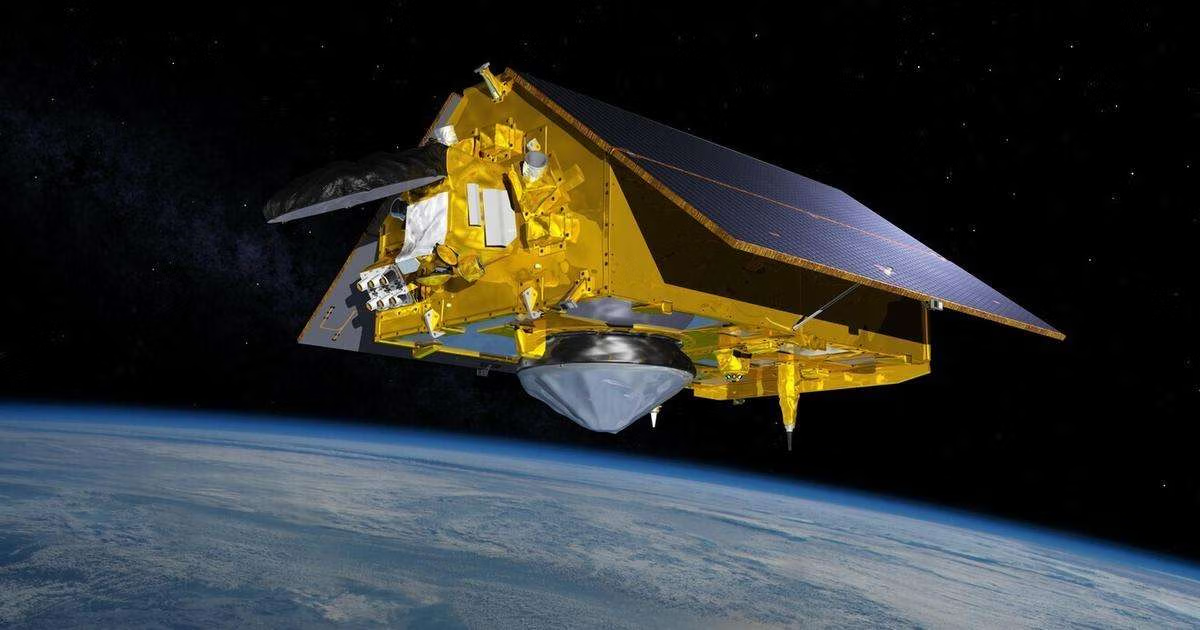
Sentinel-6B validated as global reference for sea level measurement
Sentinel-6B has been formally validated as the global reference for sea level measurement, a designation that carries measurable weight for climate monitoring. This satellite now anchors the international benchmark for ocean height data, providing the empirical consistency that scientists and policymakers rely on. When a single instrument becomes the standard, the entire integrated data ecosystem sharpens its focus.

Eastern Pacific Reveals Abyssal Plastic Contamination and Coastal Trends
In February 2024, the submarine NAUTILE descended beyond 3,900 meters along Ecuador's margin, capturing degraded fishing gear at cold seeps and intact packaging on the abyssal plain. This first report of plastic pollution in the eastern equatorial Pacific abyss pairs with a six-year beach time series to show coastal and deep-sea debris moving in tandem. The connectivity is suggestive, yet the evidence is measurable. Understanding drives protection, and this dual perspective delivers both.
San Francisco Bay Gray Whale Deaths Linked to Foraging Challenges
New necropsy findings from San Francisco Bay link gray whale deaths to foraging challenges, a shift that points to deeper stress in the species' habitat. When feeding grounds fail to deliver, the whales pay the price. This is not just a local concern; it is a measurable signal of changing ocean conditions. We should read it as a call to integrate these observations into broader marine monitoring. For more on how governance can respond, see our coverage of MPA networks bridging conservation gaps.