coastal defence
World Data Ocean keeps coastal defence in one place: 5 stories so far. The section currently leads with “Eight new corvettes strengthen India's ocean intelligence and maritime monitoring”, “India greenlights ₹40,000 crore naval warship project to strengthen maritime defence”, and “Türkiye's TAYFUN Block 3 Enters Serial Production for Precision Maritime Targeting”. The Indian Navy's approval of eight next-generation corvettes under a ₹53,866 crore contract with GRSE and GSL marks a measured, data-driven leap in maritime monitoring. The Cabinet Committee on Security has approved a ₹40,000 crore project to build new warships for the Indian Navy, a calibrated investment in maritime defence that signals measured strategic intent. A Global Hub for Ocean Intelligence 4 World Data Ocean is a centralized digital platform where researchers, scientists, and ocean enthusiasts converge to… The list below is every coastal defence story on World Data Ocean, newest first.
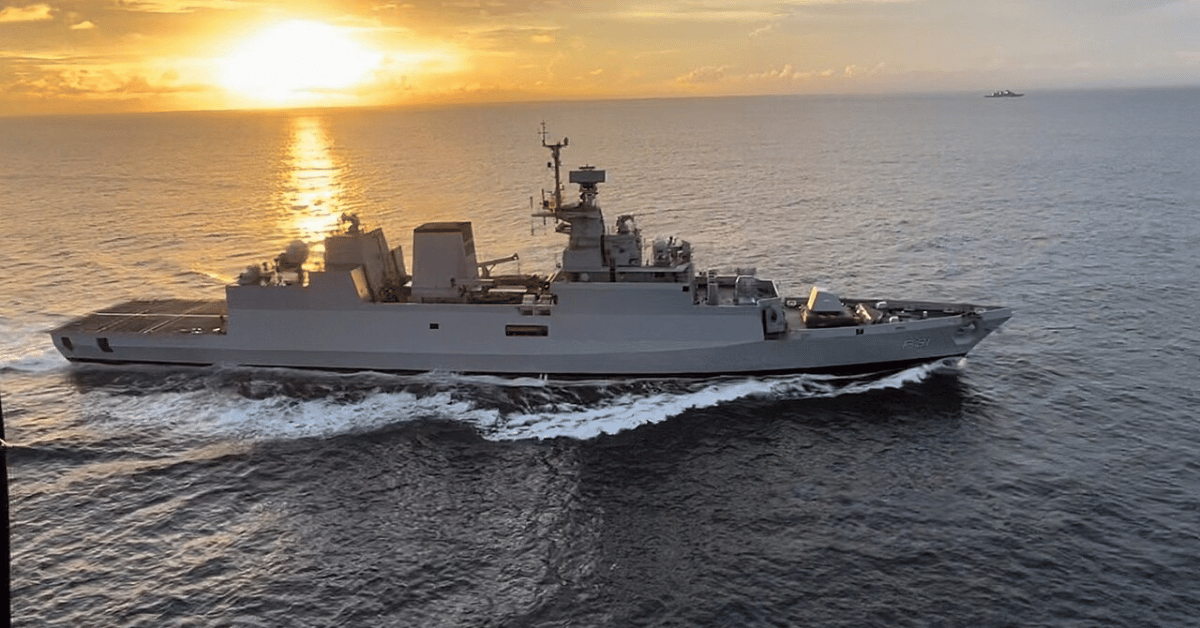
Eight new corvettes strengthen India's ocean intelligence and maritime monitoring
The Indian Navy's approval of eight next-generation corvettes under a ₹53,866 crore contract with GRSE and GSL marks a measured, data-driven leap in maritime monitoring. These vessels will deliver calibrated, real-time ocean intelligence, strengthening India's ability to validate and respond to shifting conditions at sea. Such integrated capability is essential, as the recent INS Kesari incident underscores, continuous vessel monitoring is not optional. This acquisition builds a more resilient, empirically grounded naval posture.
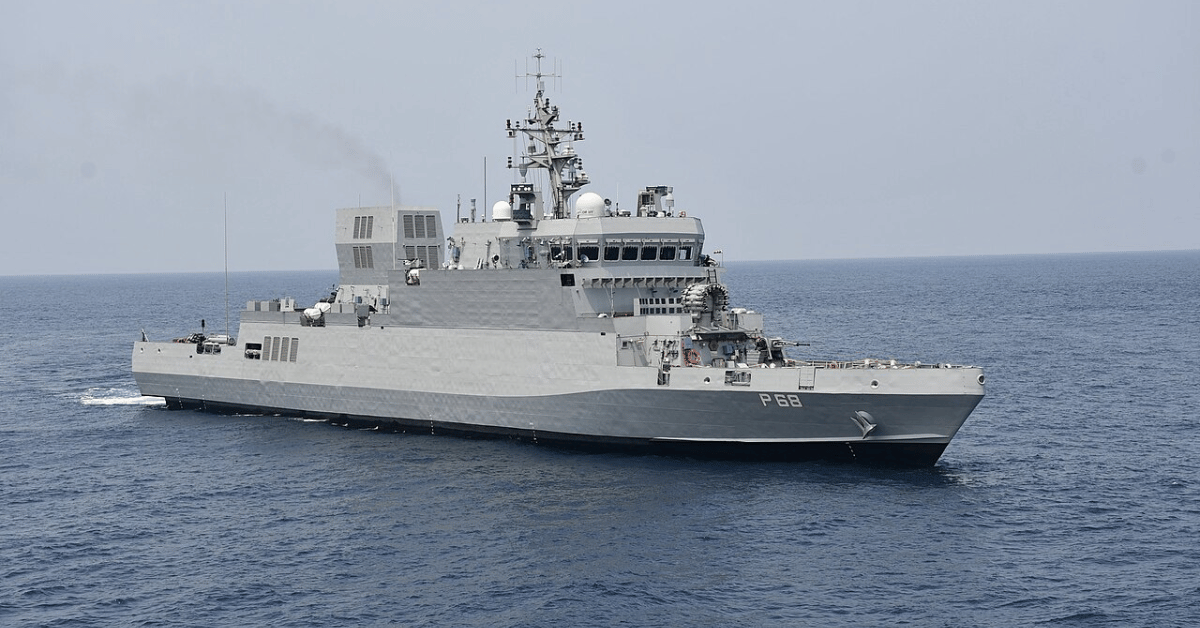
India greenlights ₹40,000 crore naval warship project to strengthen maritime defence
The Cabinet Committee on Security has approved a ₹40,000 crore project to build new warships for the Indian Navy, a calibrated investment in maritime defence that signals measured strategic intent. Purpose-driven naval modernisation demands this scale of commitment. For context on how regional powers are reshaping their fleets, our coverage of North Korea's 5000-ton Choe Hyon launch offers a parallel view of naval force integration.
Türkiye's TAYFUN Block 3 Enters Serial Production for Precision Maritime Targeting
Serial production of Türkiye's TAYFUN Block 3 ballistic missile is now underway, with deliveries to the Turkish Armed Forces slated for 2026. This is precision maritime targeting moving from concept to calibrated capability, a measurable step in Türkiye's integrated defense ecosystem. The missile's trajectory reflects a broader commitment to indigenous innovation, one that echoes through recent milestones like the TCG Istanbul frigate's role in the Navy's 488th anniversary. Understanding drives protection, and this system sharpens that link.

Thailand Assesses BrahMos for Enhanced Maritime Security and Ocean Defense.
Thailand is weighing the BrahMos supersonic cruise missile to sharpen its maritime security and ocean defense posture. Jointly developed by India's Defence Research and Development Organisation and Russia's NPO Mashinostroyeniya, the system offers validated, long-range precision that speaks directly to the demands of modern sea control. The move signals a practical, measured step toward regional capability-building. For broader context on regional maritime infrastructure and data resilience, our related piece on integrated subsea infrastructure enhancing Indian Ocean connectivity offers useful perspective.

Expanding India’s Naval Capabilities: INS Malvan Joins the Fleet
The Indian Navy's newest vessel, INS Malvan, is compact, yet formidable. It marks a meaningful step forward for indigenous shallow-water combatants, reinforcing a fleet that must stay agile in crowded seas. This is not just about adding hulls; it is about sharpening response where it matters most. As India projects an expanded naval fleet by 2040, such vessels prove that size and precision can work together.