climate policy
climate policy at World Data Ocean is a file of 3 stories. The newest of them: “Shipping emissions cost global economy $963 billion in three decades”, “Closing the governance gap for blue carbon across levels and sectors”, and “Brazil’s Climate Policy Gap: Fisheries and the Missing Low-Carbon Shift”. A shipping bill of $963 billion over three decades is not an abstract number, it is a validated, measurable cost borne by the global economy. Mangrove forests, seagrass meadows and tidal salt marshes store carbon at rates that dwarf most terrestrial forests, yet their governance remains fragmented across levels and sectors. A Global Hub for Ocean Intelligence 4 World Data Ocean is a centralized digital platform where researchers, scientists, and ocean enthusiasts converge to… The list below is every climate policy story on World Data Ocean, newest first.
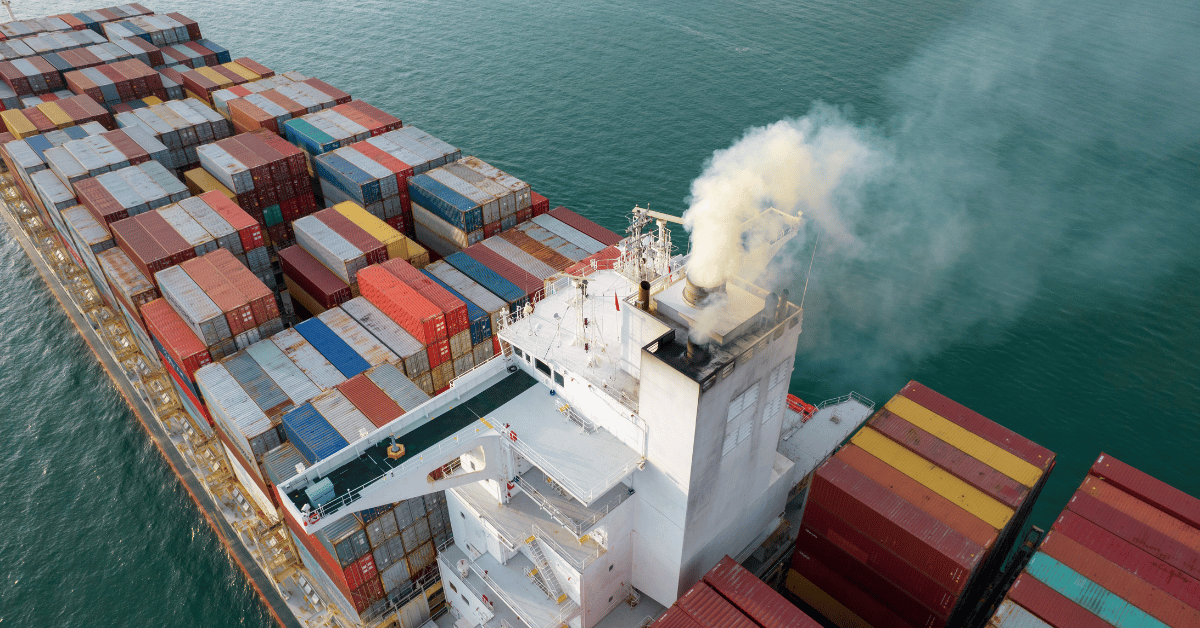
Shipping emissions cost global economy $963 billion in three decades
A shipping bill of $963 billion over three decades is not an abstract number, it is a validated, measurable cost borne by the global economy. Between 1990 and 2020, emissions from vessels produced damages that may exceed the price of decarbonisation itself. The data is clear: inaction carries its own price tag. For context on how industrial shifts have long reshaped health and environment, see our coverage of "Industrial shifts and a cooling climate converged to weaken bone health in historic Europe."

Closing the governance gap for blue carbon across levels and sectors
Mangrove forests, seagrass meadows and tidal salt marshes store carbon at rates that dwarf most terrestrial forests, yet their governance remains fragmented across levels and sectors. This narrative review of 24 studies finds that integration fails institutionally before it fails technically, unclear carbon rights and incompatible trading rules stall progress more than any biophysical limit. Local pilots rarely scale into national markets. Effective responses require aligned multilevel rules and equitable participation, not any single instrument.
Brazil’s Climate Policy Gap: Fisheries and the Missing Low-Carbon Shift
Brazil's climate governance has a blind spot, and it sits on the water. Of 110 federal legal instruments reviewed, only 14 showed direct or indirect relevance to the fishing fleet, and none addressed core mitigation needs like emission inventories or decarbonization targets. Meanwhile, nearly 5.25 billion liters of diesel flowed to the sector between 1997 and 2025. That is not a neutral gap; it is a structural choice. For a nation central to climate diplomacy, fisheries remain a missing link in its low-carbon transition.