climate justice
World Data Ocean keeps climate justice in one place: 3 stories so far. The section currently leads with “Global call to UN experts: align shipping methane with human rights before IMO talks”, “Ocean justice demands accountability without shifting burdens to the vulnerable”, and “Climate-Driven Fish Migration Demands New Rules for Sharing Shared Stocks”. A coalition of civil society organizations has issued a direct appeal to UN experts: align shipping methane emissions with human rights obligations before the upcoming IMO talks. A Global Hub for Ocean Intelligence 4 World Data Ocean is a centralized digital platform where researchers, scientists, and ocean enthusiasts converge to… The list below is every climate justice story on World Data Ocean, newest first.
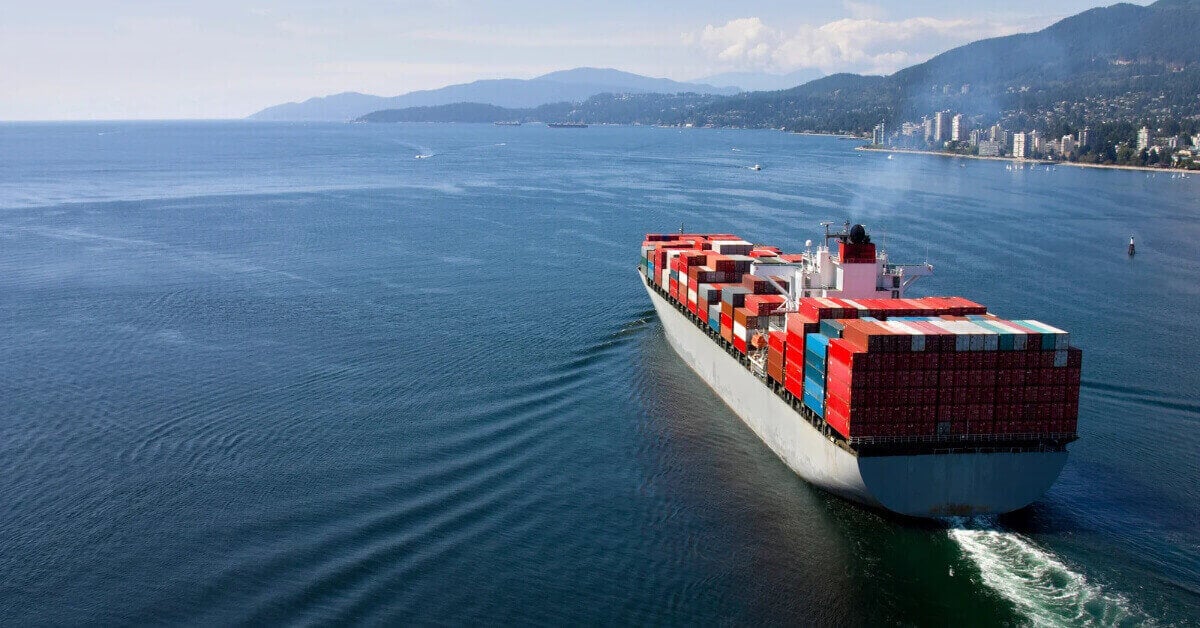
Global call to UN experts: align shipping methane with human rights before IMO talks
A coalition of civil society organizations has issued a direct appeal to UN experts: align shipping methane emissions with human rights obligations before the upcoming IMO talks. The letter targets Special Rapporteurs on climate, environment, toxics, and health, plus the Working Group on Business and Human Rights. This is a calibrated demand. Methane from shipping is a measurable climate indicator with direct consequences for coastal communities and global health. Understanding drives protection.

Ocean justice demands accountability without shifting burdens to the vulnerable
Ocean justice must assign responsibility to those who cause environmental harm, not to the communities already bearing its weight. Too often, regulatory frameworks ignore the political and institutional structures enabling these injustices, shifting remediation burdens onto marginalized and racialized groups. This work reframes ocean justice through anti-subordination and intersectionality, drawing from climate law and rights of nature. It offers a measurable path toward equity. For deeper context, see our coverage of climate-driven fish migration and the legal challenges reshaping shared stocks.
Climate-Driven Fish Migration Demands New Rules for Sharing Shared Stocks
Climate-driven shifts in fish distribution are not a future scenario; they are a present legal fault line. The old bargain, allocation based on historical catch records and stable stock ranges, is cracking under accelerating ecological change. The existing framework, anchored in UNCLOS and the UNFSA, holds the normative tools, cooperation, precaution, and equity, to respond. The challenge is institutional, not legal. Consensus-based rigidity within RFMOs is the binding constraint. A Climate-Adaptive Fisheries Allocation Framework offers a pragmatic, legally grounded path forward.