chemistry
chemistry at World Data Ocean is a file of 6 stories. The newest of them: “Acidification Alters Phytoplankton Chemistry, Shifting Ocean Carbon Cycles”, “Bridging the Gap: Oceanography Certificates to Enhance Your Chemistry Background”, and “Ocean Potential Detected on Distant Exoplanet, Data Sparks Debate.”. Rising ocean acidity is quietly rewriting the rules of phytoplankton chemistry, with measurable shifts in cellular composition that ripple through global carbon cycles. A bachelor's in chemistry is a strong foundation for oceanography, where the same quantitative rigor applies to seawater chemistry and climate indicators. A Global Hub for Ocean Intelligence 4 World Data Ocean is a centralized digital platform where researchers, scientists, and ocean enthusiasts converge to… The list below is every chemistry story on World Data Ocean, newest first.
Acidification Alters Phytoplankton Chemistry, Shifting Ocean Carbon Cycles
Rising ocean acidity is quietly rewriting the rules of phytoplankton chemistry, with measurable shifts in cellular composition that ripple through global carbon cycles. This isn't a distant forecast, it is empirical change, now documented in peer-reviewed findings. Understanding these biological recalibrations is essential for calibrating climate models. For a deeper look at how Earth's systems respond to change, see our coverage of "A vanished billion-year cliff may explain a gap in Earth's geologic record."
Bridging the Gap: Oceanography Certificates to Enhance Your Chemistry Background
A bachelor's in chemistry is a strong foundation for oceanography, where the same quantitative rigor applies to seawater chemistry and climate indicators. For a year between degrees, a certificate in data analysis or GIS would complement your lab skills, as these are practical tools used in marine research. Given your diving plans, consider a seminar on ocean observation. Our related article, "Bridging Data Gaps: Integrating Citizen Science for Ocean Intelligence," offers a useful perspective on how field data is gathered.

Ocean Potential Detected on Distant Exoplanet, Data Sparks Debate.
A planet 124 light-years away may hold a global ocean beneath a hydrogen-rich atmosphere, and the data is already sparking debate. Webb has delivered two tentative hints of dimethyl sulfide, a gas tied to marine microbes on Earth, yet independent analyses dispute the find. That tension is the story: not certainty, but calibrated curiosity. We read this as a reminder that ocean intelligence grows through rigorous questioning. For context on how we assess such systems, our World Ocean Assessment coverage offers a grounded counterpoint.
Navigating Early Career Choices: A 15-Year-Old’s Transition
Choosing subjects at 15 because of finances is a heavy lift, and this student is carrying it with more clarity than most. They have committed to biology, yet they are honest about the gap between a passion for marine zoology and the realities of academia, research, or maintenance work. That uncertainty is valid. The practical move here is to stop chasing a single job title and instead focus on building transferable skills through the IB's extended essay or community projects.
Charting a Course: Transitioning to Oceanography from a Finance Background
A finance background is not a detour from oceanography; it is a calibration tool. Managing large budgets and complex data sets translates directly into the quantitative rigor that chemical oceanography demands. This transition plan is disciplined, from completing rigorous prerequisites at Cabrillo to building a Python portfolio with public data. The missing link is research access, but that gap can be bridged through persistence and local networking.
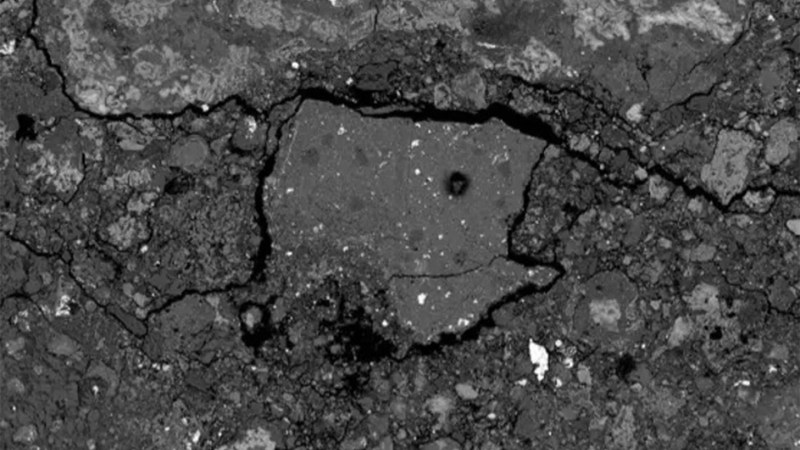
Meteorite Discovery: Amino Acids Hint at Life's Origins.
A single meteorite that crashed through a New Jersey roof in 2024 carries more than cosmic debris; it holds amino acids formed in brine, molecules that may explain how life's building blocks arrived on Earth. The discovery is compelling because it links planetary chemistry to our own origins. We're watching a rock rewrite a fundamental question about life's start. For readers tracking similar breakthroughs, our piece on fossilized dinosaur traits offers another glimpse into survival's deep history.