chemicals
chemicals at World Data Ocean is a file of 4 stories. The newest of them: “Mapping food's hidden chemistry to reveal its impact on the microbiome”, “Mapping Chemosensation: How Octopus Arms Detect Their World”, and “Arctic Ice Edge Creates Unexpected Cloud-Seeding Boost, Climate Models May Need Update”. Giulia Menichetti is mapping food's hidden chemistry, thousands of molecules that interact with the human microbiome in ways we are only beginning to measure. An octopus arm is not just a limb; it is a distributed chemical laboratory. A Global Hub for Ocean Intelligence 4 World Data Ocean is a centralized digital platform where researchers, scientists, and ocean enthusiasts converge to… The list below is every chemicals story on World Data Ocean, newest first.

Mapping food's hidden chemistry to reveal its impact on the microbiome
Giulia Menichetti is mapping food's hidden chemistry, thousands of molecules that interact with the human microbiome in ways we are only beginning to measure. This is not about calories or macronutrients. It is about the empirical, integrated signals that shape health from the inside out. Understanding drives protection. For a deeper look at how chemical sensing governs biological systems, see our coverage of octopus arm chemosensation.

Mapping Chemosensation: How Octopus Arms Detect Their World
An octopus arm is not just a limb; it is a distributed chemical laboratory. Specialized sensory receptors in each sucker allow these animals to taste the world through touch, detecting prey and predators with a precision that challenges our own visual bias. This recent research, grounded in peer-reviewed findings, reveals an integrated sensory ecosystem we are only beginning to understand. For those tracking how marine organisms interpret their environment, our related piece on identifying coastal debris offers a tangible counterpart to this molecular exploration.
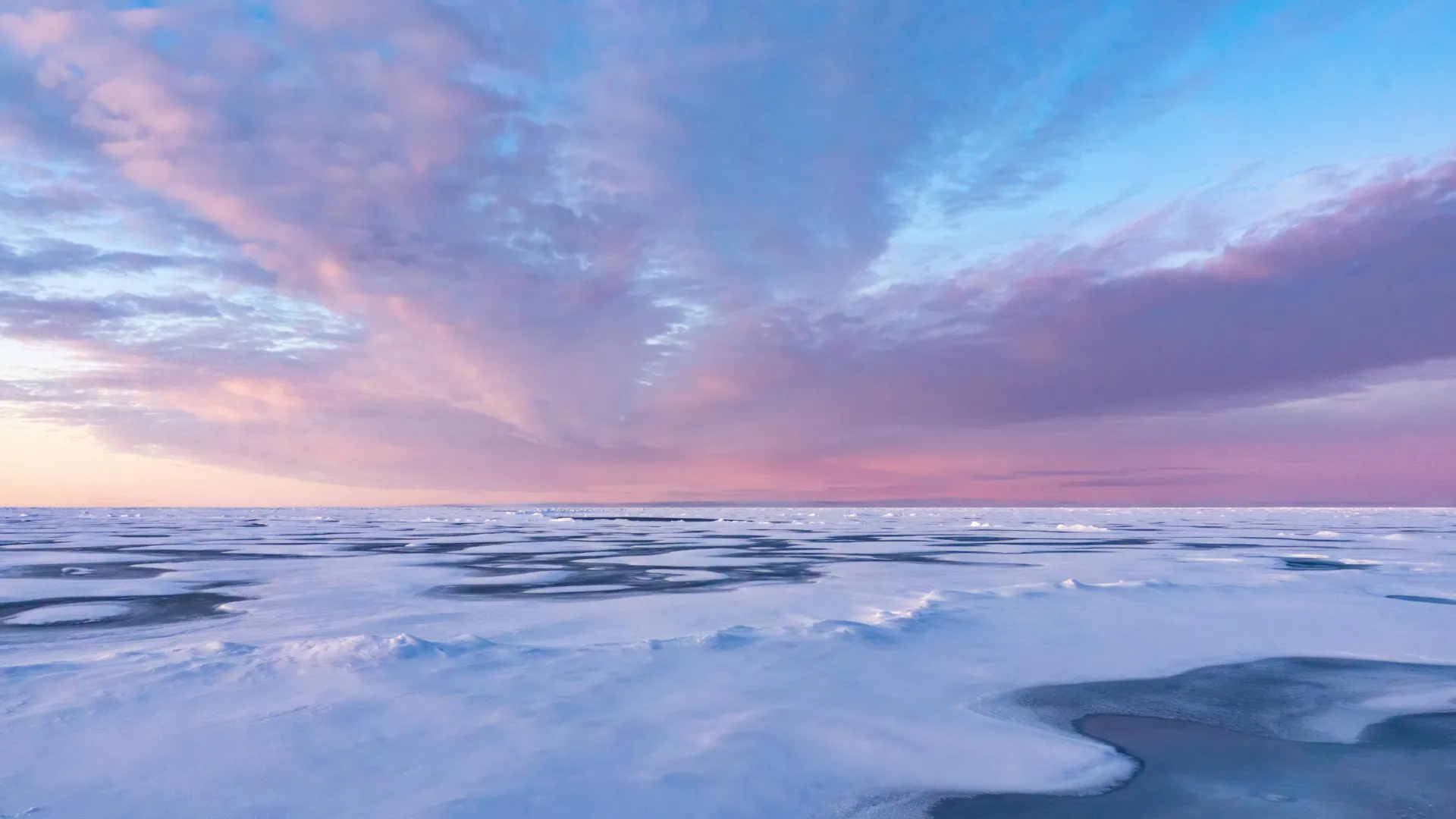
Arctic Ice Edge Creates Unexpected Cloud-Seeding Boost, Climate Models May Need Update
Sunlight meeting melting sea ice is doing more than brightening the Arctic. It is triggering a chemical reaction that multiplies cloud-seeding particles by up to 50 times in a single day. That is a striking jump, and it comes from a region actively expanding as ice retreats. This process deserves serious attention. We should not assume current models capture it. Understanding this mechanism could refine how we project Arctic warming, and that matters for everyone watching the poles.

Strait of Hormuz: IRGC Navy Detains Vessels for Passage Violations
The Strait of Hormuz is a chokepoint where passage rules are not optional, and Iran's Islamic Revolutionary Guard Corps has made that clear by detaining four vessels for violations. The move is a calibrated reminder of the waterway's fragility, though it raises questions about escalation. Enforcement here is precise, but the stakes are global. For context on how pressure is building in the region, our piece on phased negotiations aimed at easing Hormuz restrictions offers a measured counterpoint worth reading.