cargo ship
World Data Ocean keeps cargo ship in one place: 68 stories so far. The section currently leads with “Collision Under Investigation: Maritime Incident Claims Lives Off Sweden”, “Salvage Successful: Grounded Vessel Onego Otra Freed from St. Lawrence.”, and “Cargo Ship Sinks Near Disputed South China Sea Reef”. Swedish prosecutors have arrested the captain of a Norwegian-flagged cargo ship following a fatal collision with a recreational boat off Sweden's coast. After nearly four weeks aground in the St. A Global Hub for Ocean Intelligence 4 World Data Ocean is a centralized digital platform where researchers, scientists, and ocean enthusiasts converge to… The list below is every cargo ship story on World Data Ocean, newest first.

Collision Under Investigation: Maritime Incident Claims Lives Off Sweden
Swedish prosecutors have arrested the captain of a Norwegian-flagged cargo ship following a fatal collision with a recreational boat off Sweden's coast. Lives were lost. Investigations are underway, and the incident demands rigorous, empirical scrutiny. Maritime safety is not negotiable. For deeper context on the dangers vessels face at sea, see our related coverage of the cargo ship fire near Mykonos. Understanding drives protection, on every ocean.

Salvage Successful: Grounded Vessel Onego Otra Freed from St. Lawrence.
After nearly four weeks aground in the St. Lawrence River, the general cargo ship Onego Otra has been successfully refloated and towed to port for inspection. The operation closes a tense chapter with the kind of measured, coordinated response that defines effective maritime recovery. The vessel's freedom is a practical win for navigation safety, though full clearance will depend on what inspectors find. For readers tracking similar challenges, our coverage of the bulk carrier freed near Gladstone, Australia, offers useful comparison.

Cargo Ship Sinks Near Disputed South China Sea Reef
A Vietnamese cargo ship, the Khoi Nguyen 18, sank Saturday near Fiery Cross Reef, a Chinese-built artificial island in the disputed Spratly Islands. The incident underscores the high-stakes reality of maritime transit through contested waters. Reliable data on vessel movements and regional conditions remains essential for preventing such losses. We track these developments closely. For broader context on regional shipping pressures, our report on the Gulf of Oman STS transfers maxing out offers a useful comparison.

Damaged Freighter Sinks Near Odesa, Raising Shipping Risks in Black Sea
The sinking of the Golden Leo off Odesa marks a stark escalation in an already volatile Black Sea. A Turkish-operated, Guinea-Bissau-flagged vessel carrying corn, it went down after sustaining heavy damage in the July 19 attack. This is not an isolated incident; it is a calculated pressure point in a broader conflict. The loss of a grain carrier underscores how commercial shipping remains a target.

Caspian Sea Incident: Escalation Risks Amidst Maritime Trade Disruptions
A cargo ship carrying steel from Russia's Astrakhan Port to Iran's Anzali Port has been struck by Ukrainian forces, marking a sharp escalation in a conflict that increasingly reaches beyond the Black Sea's western waters. This is not merely a tactical blow; it is a signal. The Caspian corridor, long treated as a secondary front, now carries real risk for commercial shipping.

South China Sea Search Continues After Cargo Ship Sinks
Rescue efforts are underway in the South China Sea after a Vietnamese cargo ship carrying 62 people sank near Fiery Cross Reef. Officials confirm 45 individuals have been brought to safety, leaving 17 unaccounted for. Each hour at sea sharpens the urgency of the search, and our attention remains fixed on the crews who face such perilous conditions. This incident follows recent maritime emergencies, including a cargo ship fire near Mykonos, underscoring the persistent risks that define commercial shipping.

Black Sea Attack: Cargo Ship Targeted, Raising Maritime Security Concerns
The MV Reyhan Sari was sailing from Russia's Port of Taman to Trabzon when it came under attack on July 22, according to ship owner T and O Maritime. The strike raises pointed questions about the safety of commercial routes in the region. This incident is not isolated; our related coverage, including "Strikes Target Ports and Vessels in Confirmed Military Action," underscores a troubling pattern. For those navigating these waters, the threat is no longer hypothetical, it is measurable, and it demands calibrated responses.
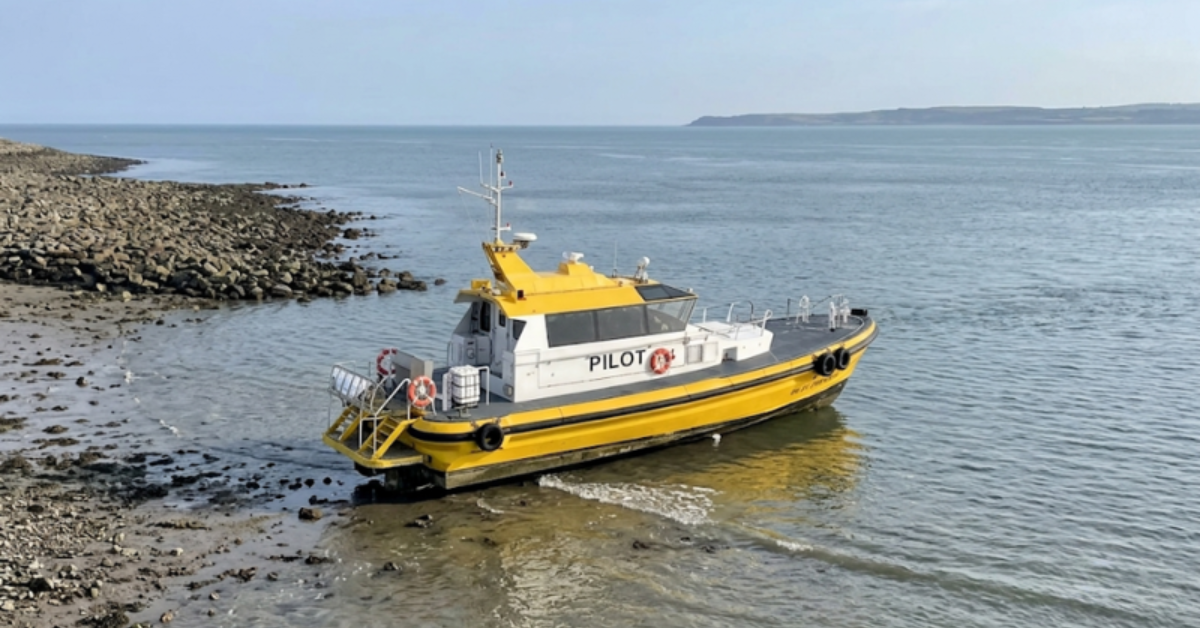
Navigational Error and Visibility Highlight Situational Awareness Risks at Sea
A pilot boat ran aground when poor visibility and reduced situational awareness led the Master into a navigational error. The incident underscores how quickly conditions at sea can erode even experienced decision-making. It is a measured reminder that vigilance is not optional, it is the anchor of safe passage. For broader context on maritime safety challenges, our coverage of the drone strike near the Strait of Hormuz highlights how external threats compound operational risk. Understanding these failures drives stronger, more disciplined practices.

Neighbors Bridge Divide: India's Rescue Highlights Shared Regional Interests.
When India and China frame themselves as important neighbours at a critical stage of development and rejuvenation, the resonance is immediate. This is not diplomatic posturing; it is a recognition of shared weight. The recent rescue operation underscores that regional stability is a collective endeavour, not a solitary one. We see a pragmatic alignment of interests here, where practical cooperation on the high seas speaks louder than any summit rhetoric.

Cargo Ship Detention Highlights Ongoing Challenges to U.N. Sanctions.
The detention of a Tanzanian-flagged cargo ship by South Korea underscores the persistent friction in enforcing U.N. sanctions on North Korea. This vessel reportedly dodged restrictions more than once, a clear signal that maritime evasion remains a live challenge. Enforcement is only as strong as the weakest link in the chain. For broader context on how allied navies and ports factor into this effort, our piece on the *Kiwi Frigate Monitors Sanctions* offers a useful parallel.

Ferry and Cargo Ship Collision Occurs at Souda Port, Crete.
A ferry and cargo ship collided at Souda Port, Crete, with the Elyros carrying 100 passengers, 32 cars, and 74 trucks when it struck the Iosif K., itself loaded with 84 trucks. No casualties have been reported, but the incident underscores how congested Mediterranean shipping lanes have become. Port authorities will need to examine what separated these two vessels.

Attack on Cargo Ship Highlights Risks to Vital Grain Exports
Three Russian cruise missiles struck the Golden Leo, a cargo ship carrying corn, shortly after it departed Odesa, Ukrainian officials reported. This attack on a vital grain export route is not just an assault on a vessel; it is a calculated disruption of global food supply. The sea must remain open for commerce, not closed by aggression.

Fatal Strike Highlights Risks to Maritime Trade in the Indian Ocean
The first fatal strike on Indian merchant seafarers since 2022 sharpens the risk calculus across the Indian Ocean's vital shipping lanes. This attack is not an isolated incident; it signals a troubling escalation with direct consequences for global trade. We view this as a stark reminder that maritime security is fragile and demands integrated data ecosystems to track threats. For a broader perspective on regional instability, our piece on phased negotiations to ease Strait of Hormuz restrictions offers valuable context.

Ukrainian Navy Rescues Seafarers After Strike on Cargo Ship VENTURO
Seventeen Filipino seafarers are safe tonight because Ukrainian Navy crews moved swiftly after a Russian strike disabled the cargo ship VENTURO off Odesa. One life was lost in the attack, a sobering reminder of the human cost shadowing these waters. The rescue itself demonstrates real operational discipline under pressure. For those tracking the broader pattern of aggression against commercial shipping, our related report, "Strikes Target Ports and Vessels in Confirmed Military Action," provides essential context. This incident underscores why protecting maritime corridors demands constant vigilance.

Hydrogen Propulsion Advances Inland Shipping on China’s Rivers
China's inland shipping is entering a cleaner chapter with the launch of Yun Tao No. 1, the nation's largest hydrogen-powered cargo vessel. At 2,000 tons with a 760 km range, this ship is built for the Yangtze and Pearl River corridors, where practical decarbonization matters most. Hydrogen propulsion at this scale signals measurable progress, not just promise. For readers tracking parallel advances, our coverage of ammonia bunkering milestones offers useful context on how alternative fuels are reshaping maritime logistics.

Maritime Leader Admits to Assault, Underscoring Safety Concerns.
A federal court has now heard John Merrone admit to what many in the maritime community might have suspected: he gave a 21-year-old cadet an intoxicant without her consent before sexually assaulting her. The admission cuts against the industry's often-silent culture, where rank and authority can overshadow basic safety. Safety at sea is not merely about navigation or cargo; it is about the people aboard. This case should push operators to examine their own vessels, much like the recent fire near Mykonos tested emergency protocols.

Shipping Disrupted at Antwerp Following Hydrogen Fluoride Leak Incident
A hydrogen fluoride leak aboard the MSC Mia Summer II has forced a halt to operations at Antwerp's MSC PSA European Terminal. The incident, occurring at the Deurganck Dock, disrupted shipping at a critical juncture for global trade. While the immediate response is underway, the episode is a sharp reminder of the risks embedded in port logistics. For context on broader infrastructure shifts, our piece on the integrated waterway connecting China's interior offers a useful counterpoint.

Negotiations Underway for Release of Crew Held by Somali Pirates
Ransom negotiations are underway to secure the release of 44 crew members held by Somali pirates across three vessels, with talks focused on ensuring their safe return. The development underscores the persistent risks facing seafarers in these waters, and we should read it alongside the recent rescue of a US-sanctioned tanker by Puntland forces. Each incident reinforces the need for coordinated maritime security. As these discussions progress, the priority remains the welfare of those aboard, and we will continue to monitor.

Collision Impacts Operations at Cameroon’s Key Commercial Port
A 28,400-deadweight-ton bulk carrier, the Sea Honor, collided with the 5,113-ton cargo ship Black Rhino at Cameroon's primary commercial port, disrupting operations at a critical maritime gateway. Such incidents test the resilience of port infrastructure and the coordination of response teams under pressure. While the full scope of damage remains under assessment, the event underscores how quickly commercial traffic can be halted by a single moment of impact.

Vessel Splits and Sinks in Strait of Hormuz; Crew Rescued
A vessel split and sank in the Strait of Hormuz, coming to rest on the shallow seabed with its bow and stern above the waterline. The crew was rescued. This incident underscores the fragility of maritime operations in one of the world's most vital shipping lanes. For context on the broader pressures shaping this waterway, our related coverage on "Phased Negotiations Aim to Ease Restrictions on Strait of Hormuz" offers deeper insight. The strait's resilience is being tested, and the stakes remain measurable.