captivity
World Data Ocean keeps captivity in one place: 3 stories so far. The section currently leads with “Cultivating Temperate Coral: A Key to Ocean Research and Conservation”, “Rehabilitated Elephants Show Remarkable Behavioral Convergence with Wild Populations”, and “Orca Ecotypes: Species Distinction or Genetic Nuance?”. Astrangia poculata is not the flashiest coral, but it is proving to be one of the most practical. Eleven rehabilitated elephants now move, forage, and socialize in patterns strikingly similar to their wild counterparts, according to new research. A Global Hub for Ocean Intelligence 4 World Data Ocean is a centralized digital platform where researchers, scientists, and ocean enthusiasts converge to… The list below is every captivity story on World Data Ocean, newest first.

Cultivating Temperate Coral: A Key to Ocean Research and Conservation
Astrangia poculata is not the flashiest coral, but it is proving to be one of the most practical. After years of multi-institutional collaboration, a standardized path from spawning to settlement now exists. The results are concrete: thermal treatment reliably induces spawning, and fertilization rates reached 93 percent. Feeding larvae accelerated their development, while TBP triggered settlement. This is the kind of reproducible foundation that turns observation into experiment.
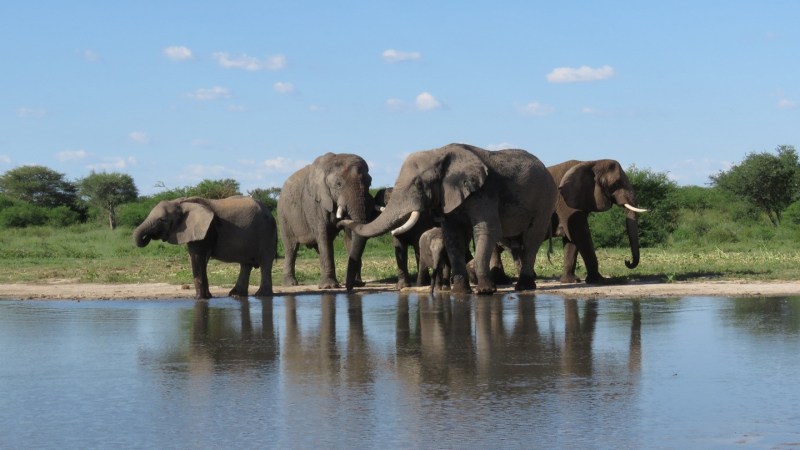
Rehabilitated Elephants Show Remarkable Behavioral Convergence with Wild Populations
Eleven rehabilitated elephants now move, forage, and socialize in patterns strikingly similar to their wild counterparts, according to new research. The findings suggest that structured care and gradual reintegration can preserve natural behaviors, a hopeful signal for conservation programs worldwide. This empirical alignment strengthens the case for science-led rewilding. For context on how environmental systems respond to pressure, readers may explore our related piece on Cascadia and San Andreas, which examines sequential earthquake risk. Understanding drives protection, and these elephants offer measurable proof of resilience.

Orca Ecotypes: Species Distinction or Genetic Nuance?
The classification of orca ecotypes hinges on genetic and behavioral evidence, yet the line between species and nuance remains contested. A forest ecologist's skepticism about interbreeding assumptions and the weight placed on learned behavior raises valid questions. Intelligence complicates taxonomy; diverse actions do not always signal reproductive isolation. While publish-or-perish pressures may incentivize reclassification, the genetic data, though incomplete, points to real divergence. We should demand rigorous, peer-reviewed validation before dismissing or embracing species status.