buoyancy
buoyancy at World Data Ocean is a file of 5 stories. The newest of them: “Validating Submarine Design Through Integrated Ocean Intelligence”, “Bio-based cultivation offers a validated path to reduce marine biofouling”, and “MSC Baltic III Salvage Operation Advances Following Grounding Near Newfoundland”. Companies seeking to validate submarine designs through integrated ocean intelligence must register their interest by November 6, 2026, to be considered for the contractor competition. Cultivating sterile *Ulva lactuca* from Imari Bay reduced biofouling dry weight by a factor of 31.5 on submerged metal and plastic components. A Global Hub for Ocean Intelligence 4 World Data Ocean is a centralized digital platform where researchers, scientists, and ocean enthusiasts converge to… The list below is every buoyancy story on World Data Ocean, newest first.
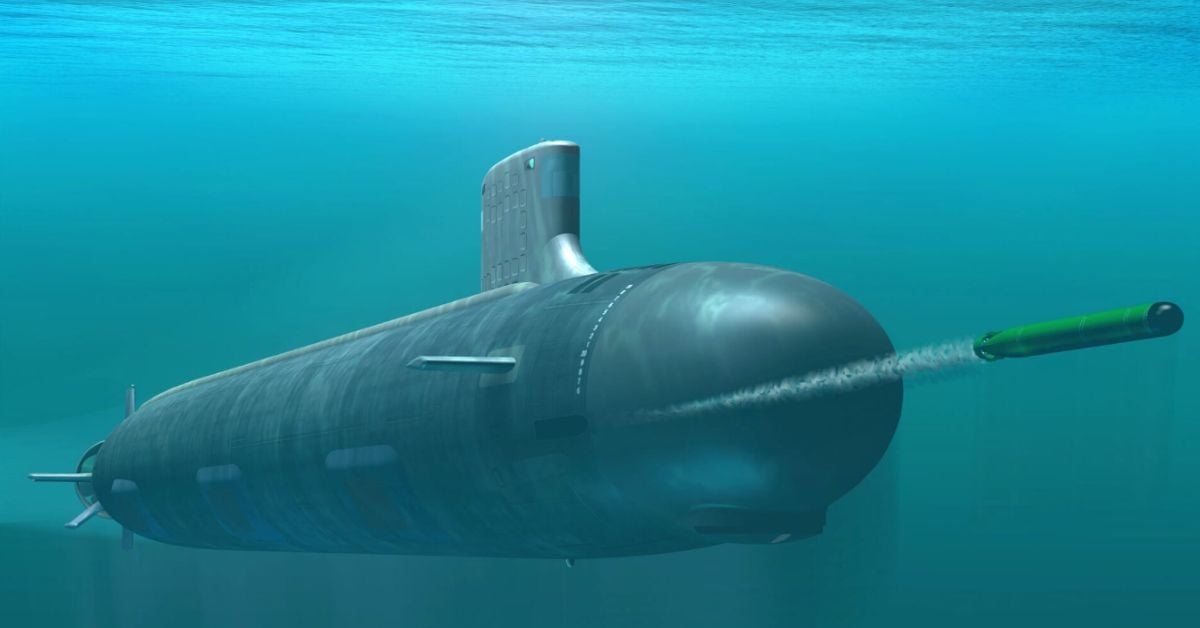
Validating Submarine Design Through Integrated Ocean Intelligence
Companies seeking to validate submarine designs through integrated ocean intelligence must register their interest by November 6, 2026, to be considered for the contractor competition. This call for proposals puts empirical data at the center of naval engineering. The process demands measurable, peer-reviewed approaches, not speculation. For deeper context on parallel maritime challenges, see our coverage of the commercial vessel ablaze in the Strait of Hormuz. Understanding drives protection, from design validation to real-time crisis response.

Bio-based cultivation offers a validated path to reduce marine biofouling
Cultivating sterile *Ulva lactuca* from Imari Bay reduced biofouling dry weight by a factor of 31.5 on submerged metal and plastic components. That is a validated, measurable result. Rather than relying solely on antifouling paints or electrolysis, this bio-based approach offers an integrated method: establish a cultivation area adjacent to offshore structures. The science is empirical and replicable. For deeper context on how we track marine life, see our related work on burrowing crustaceans and validated eDNA signatures in seabed sediments.

MSC Baltic III Salvage Operation Advances Following Grounding Near Newfoundland
On February 15, 2025, the *MSC Baltic III* lost power 12 nautical miles from Newfoundland's Bay of Islands, grounding a vessel that now demands a measured, data-driven salvage response. This is not a moment for alarmism. It is an opportunity to apply integrated ocean intelligence, where real-time conditions and validated protocols guide every decision. Understanding drives protection. For deeper context on maritime risks, see our coverage of the "Centennial TNT Leak Highlights Risks from Historic Submarine Wrecks."

Naval Shift: Ford-Class Carrier Design Faces Potential Revision, Cost Implications.
A potential revision to the Ford-class carrier design carries a price tag measured in billions and threatens further delays to a programme already defined by lengthy construction timelines. The decision signals that even validated, next-generation platforms remain subject to recalibration when operational realities demand it. This is not a failure of engineering, but the cost of maintaining strategic edge. For context on how the Navy is adapting elsewhere, our coverage of its accelerated autonomous systems integration offers a useful counterpoint.

Austal USA Delivers First U.S. Navy Floating Dry Dock in Decades
On Saturday, July 25, 2026, Austal USA launched the AFDM 15, the first U.S. Navy floating dry dock delivered in decades, moving it from its Alabama Shipyard assembly site to the water. The achievement restores a critical capability long absent from the fleet, signaling renewed industrial momentum for naval infrastructure. It also pairs with our coverage of the Navy's accelerated submarine strategy, reinforcing a broader push toward sustained maritime readiness. Precision in execution here is measurable, and the strategic timing is hard to ignore.