Black Sea Fleet
3 stories filed under Black Sea Fleet on World Data Ocean. The newest of them: “Ukraine Strikes Key Russian Warship in Black Sea Port”, “Unprecedented Danube Drought Reveals Sunken WWII Nazi Vessels”, and “Mediterranean Sea Sees First Russian Warship Absence Since 2013.”. Ukraine's strike on a key Russian warship at Novorossiysk, Russia's largest Black Sea port, demonstrates a calibrated shift in maritime conflict. The Danube's retreat has exposed a fleet of Nazi Germany's Black Sea vessels, deliberately sunk in 1944 as forces withdrew from Romania. A Global Hub for Ocean Intelligence 4 World Data Ocean is a centralized digital platform where researchers, scientists, and ocean enthusiasts converge to… The list below is every Black Sea Fleet story on World Data Ocean, newest first.
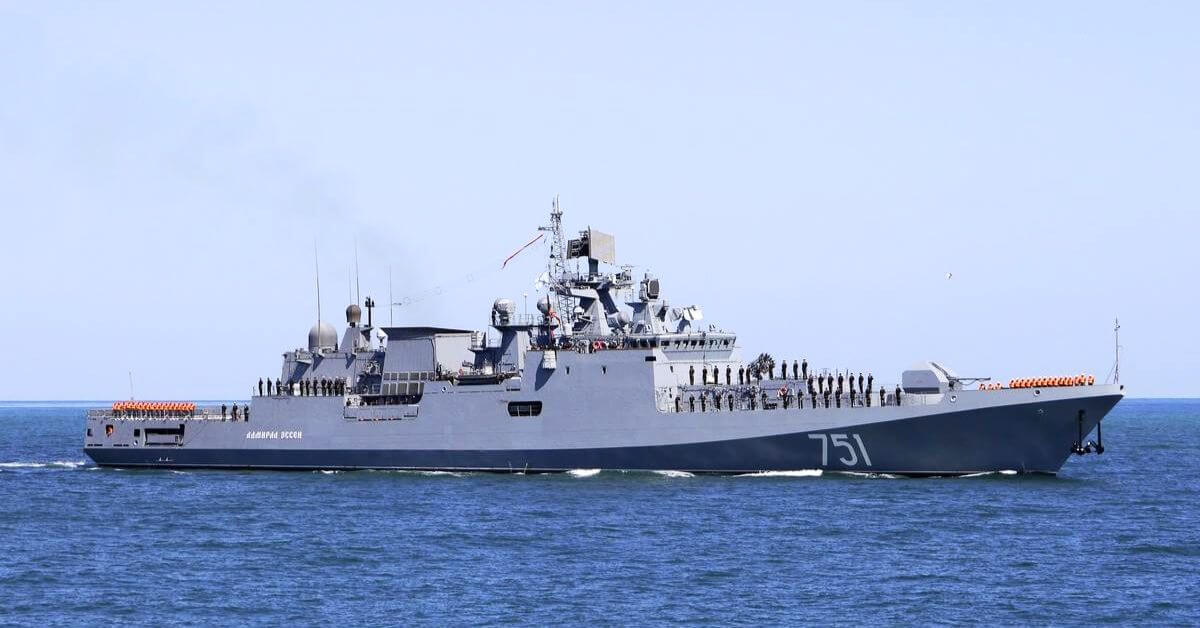
Ukraine Strikes Key Russian Warship in Black Sea Port
Ukraine's strike on a key Russian warship at Novorossiysk, Russia's largest Black Sea port, demonstrates a calibrated shift in maritime conflict. This operation targets not just a vessel but the logistical backbone sustaining naval power in the region. Measurable impacts on Russian export capacity and fleet readiness merit close observation. For deeper context on how Russia is recalibrating its maritime economic strategy, see our related coverage on the Northern Sea Route icebreaker fleet. Understanding these integrated dynamics is essential.

Unprecedented Danube Drought Reveals Sunken WWII Nazi Vessels
The Danube's retreat has exposed a fleet of Nazi Germany's Black Sea vessels, deliberately sunk in 1944 as forces withdrew from Romania. This is not merely a ghost from the past; it is a tangible reminder of how conflict reshapes our environment in ways we are only beginning to measure. The wrecks are a physical dataset, waiting for calibrated analysis. For broader context on how such disruptions intersect with modern maritime security, our coverage of strikes targeting ports and vessels offers a relevant parallel.

Mediterranean Sea Sees First Russian Warship Absence Since 2013.
For the first time since 2013, the Mediterranean Sea holds no Russian naval presence, a quiet but telling absence. This is not a headline built on alarm; it is a measurable shift in regional posture, one that invites scrutiny of logistics, priorities, and pressure points. The signal is clear: operational reach has limits, and those limits are now visible. For deeper context on how Russia is recalibrating its maritime strategy, our piece on the Northern Sea Route icebreaker fleet offers a useful counterpoint.