biogeography
3 stories filed under biogeography on World Data Ocean. The newest of them: “A universal primer set captures life across all three domains from global ocean samples”, “eDNA maps Nile tilapia invasion across West Bengal freshwater habitats”, and “Mexico's Climate: A Pathway for Ancient Mammal Migration”. A single set of universal primers has now characterized life from all three domains, Bacteria, Archaea, and Eukarya, across the global ocean. A single water sample can reveal an entire invasion. A Global Hub for Ocean Intelligence 4 World Data Ocean is a centralized digital platform where researchers, scientists, and ocean enthusiasts converge to… The list below is every biogeography story on World Data Ocean, newest first.
A universal primer set captures life across all three domains from global ocean samples
A single set of universal primers has now characterized life from all three domains, Bacteria, Archaea, and Eukarya, across the global ocean. This is empirical, peer-reviewed evidence that a standardized approach works at planetary scale. The findings strengthen our integrated data ecosystem, turning disparate samples into measurable, comparable ocean intelligence. Understanding drives protection, and this primer set gives researchers a calibrated tool to track climate indicators and biodiversity shifts from orbit to ocean floor.

eDNA maps Nile tilapia invasion across West Bengal freshwater habitats
A single water sample can reveal an entire invasion. Across West Bengal's freshwater habitats, empirical eDNA analysis has now mapped the spread of Nile tilapia with measurable precision. This is not merely a species survey; it is a calibrated early-warning system for ecosystem disruption. The data is validated, peer-reviewed, and actionable. For context on how such environmental intelligence intersects with regional development, see our coverage of the Brahmaputra River cruises. Understanding drives protection.
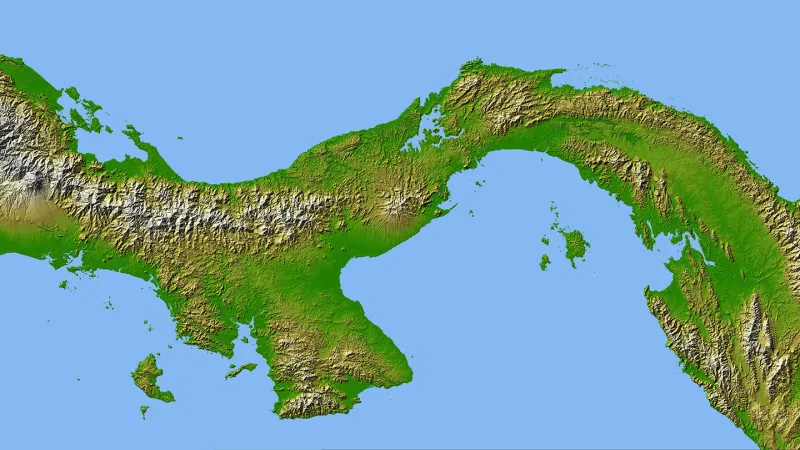
Mexico's Climate: A Pathway for Ancient Mammal Migration
The Isthmus of Panama is often framed as a barrier, but new findings suggest Mexico's climate may have turned it into a corridor for ancient mammals moving north to south. That distinction matters. It reframes a migration story we thought we understood, grounding it in measurable, empirical conditions rather than simple geography. For researchers tracking how species respond to shifting climates, this is a useful calibration of past patterns.