benthic habitat
benthic habitat at World Data Ocean is a file of 3 stories. The newest of them: “Sedimentation regimes reshape macroalgal structure on Eastern Tropical Pacific reefs”, “From seabed to surface, ocean floor mapping coverage now reaches 15 percent”, and “Tracking Shark Movements Reveals Insights for Marine Sanctuary Protection”. Sediment doesn't just smother reefs, it reshapes them in ways broad functional models miss. From seabed to surface, ocean floor mapping coverage has more than doubled, reaching 15 percent just two years after the launch of the Seabed 2030 Project. A Global Hub for Ocean Intelligence 4 World Data Ocean is a centralized digital platform where researchers, scientists, and ocean enthusiasts converge to… The list below is every benthic habitat story on World Data Ocean, newest first.

Sedimentation regimes reshape macroalgal structure on Eastern Tropical Pacific reefs
Sediment doesn't just smother reefs, it reshapes them in ways broad functional models miss. On Eastern Tropical Pacific reefs, fine silts and coarse pulses drive distinctly different macroalgal communities, even when total deposition looks similar. Caleta de Chon's fine-dominated sedimentation supports higher species diversity than Zacatoso's coarse sediment regime, revealing how local geomorphology filters grain size and community response. This species-level resolution is essential for anticipating benthic shifts under coastal development.
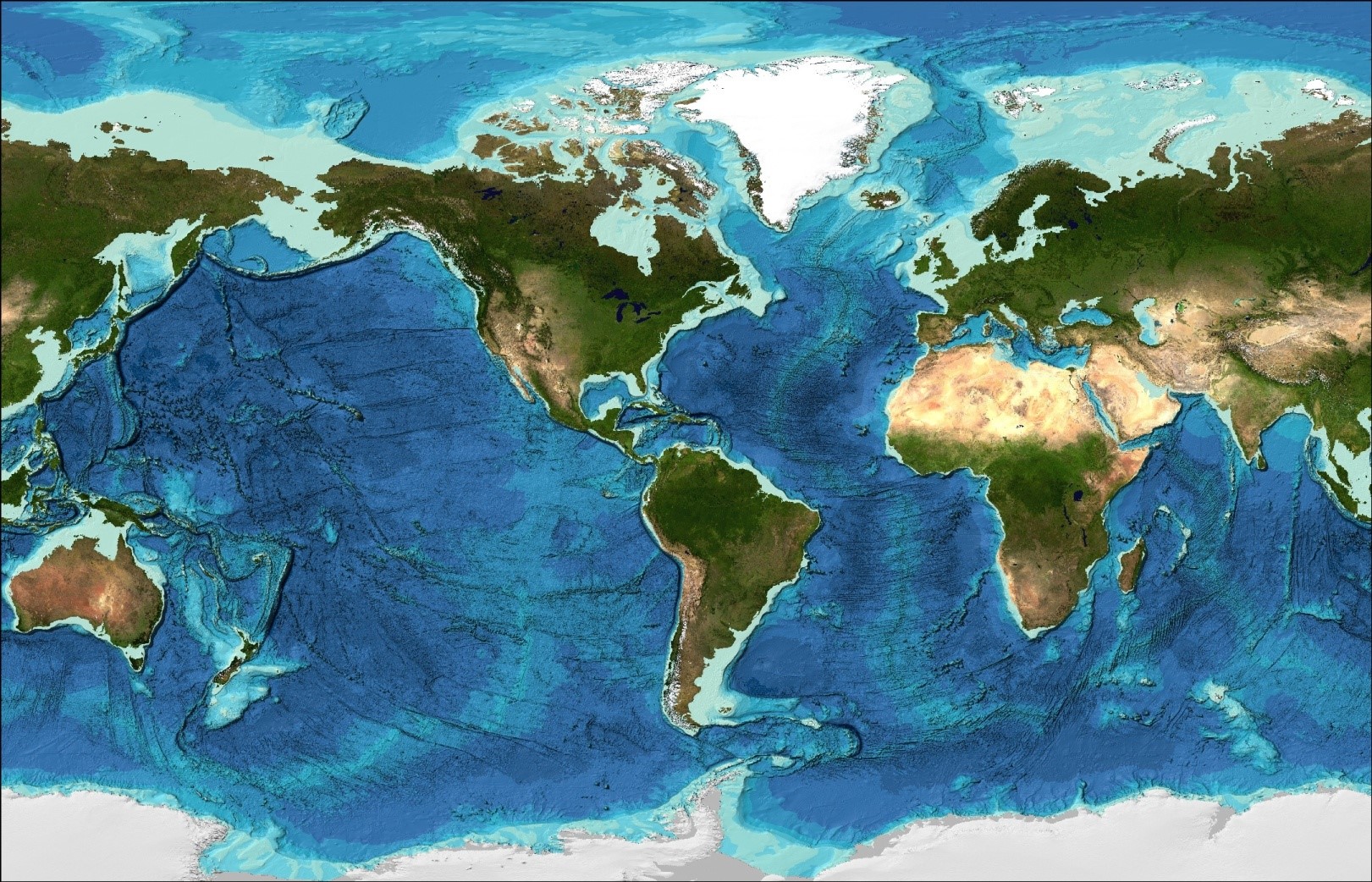
From seabed to surface, ocean floor mapping coverage now reaches 15 percent
From seabed to surface, ocean floor mapping coverage has more than doubled, reaching 15 percent just two years after the launch of the Seabed 2030 Project. That's 32 million square kilometers of bathymetric data, an area larger than Africa. Progress at this pace is measurable and urgent. Understanding drives protection. For deeper insight into how data traceability strengthens scientific value, see our related article on connecting ocean data to its methods.
Tracking Shark Movements Reveals Insights for Marine Sanctuary Protection
Silky sharks favor natural banks in winter and spring, then shift to artificial reefs in summer. Sandbar sharks, by contrast, remain year-round across both habitats, with nearly half detected beyond sanctuary boundaries. These empirical, real-time data reveal that Flower Garden Banks cannot function as an isolated refuge. Protection must account for the integrated ecosystem these sharks actually use. For deeper context on how subsea infrastructure connects marine regions, see our related coverage of *Integrated Subsea Infrastructure Shifts to Enhance Indian Ocean Connectivity*.