Bay of Bengal
Bay of Bengal at World Data Ocean is a file of 6 stories. The newest of them: “Validated rescue: 20 seafarers evacuated after bulk carrier fails in cyclone”, “India Considers Refurbished Kilo Submarines Amidst Fleet Modernization”, and “Lifeboat Recovered, Search Continues for Missing Crew in Bay of Bengal”. Twenty seafarers evacuated from the disabled MV Sigma Pearl as a cyclone bore down on the Bay of Bengal, a validated rescue executed by the Indian Coast Guard's integrated air-sea assets. Russia's offer of three refurbished Kilo-class submarines to India arrives at a moment when fleet modernization is no longer optional. A Global Hub for Ocean Intelligence 4 World Data Ocean is a centralized digital platform where researchers, scientists, and ocean enthusiasts converge to… The list below is every Bay of Bengal story on World Data Ocean, newest first.
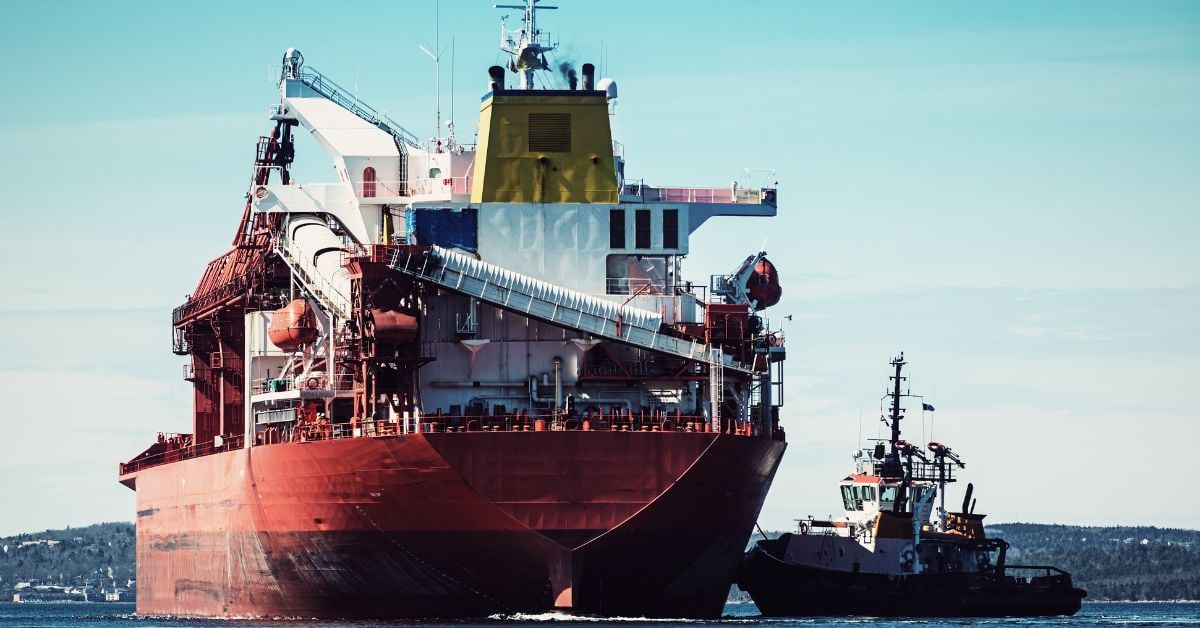
Validated rescue: 20 seafarers evacuated after bulk carrier fails in cyclone
Twenty seafarers evacuated from the disabled MV Sigma Pearl as a cyclone bore down on the Bay of Bengal, a validated rescue executed by the Indian Coast Guard's integrated air-sea assets. This operation underscores the measurable value of rapid, coordinated response when a bulk carrier fails in extreme weather. For deeper context on maritime emergencies, see our coverage of the Black Sea drone strike that sank the *Contship Jet*.
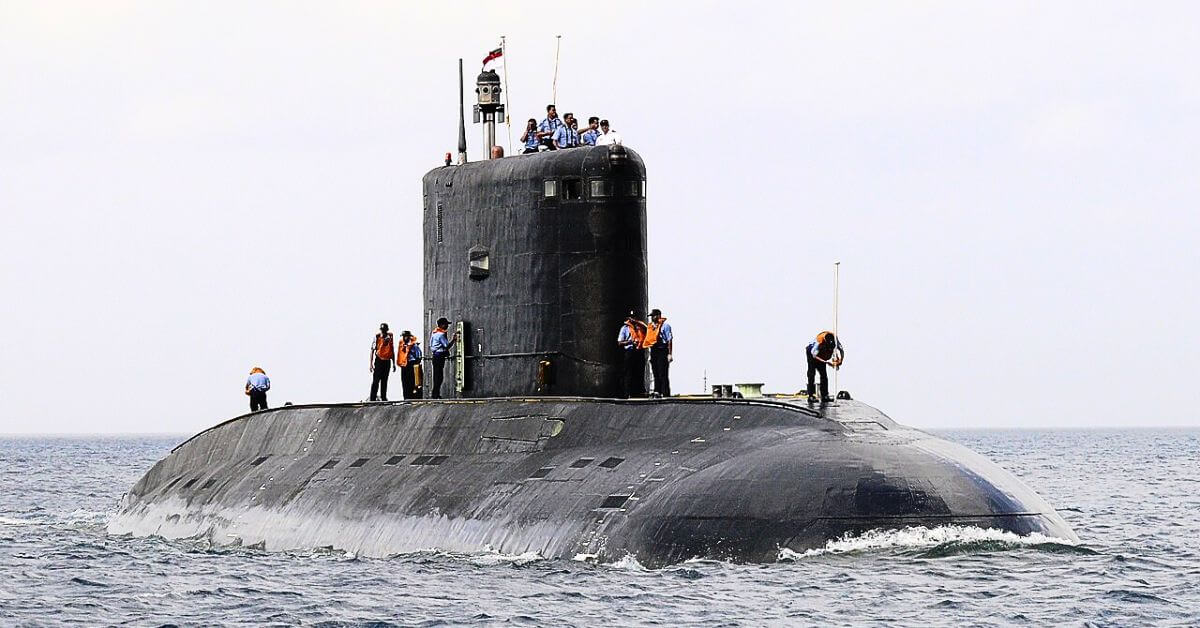
India Considers Refurbished Kilo Submarines Amidst Fleet Modernization
Russia's offer of three refurbished Kilo-class submarines to India arrives at a moment when fleet modernization is no longer optional. The boats, fitted with newer weapons, extend a practical path to capacity without the timelines of new construction. It is a measured proposal, and one worth examining closely. For readers tracking regional naval momentum, our coverage of India's projected 230-ship fleet in "India Projects Expanded Naval Fleet to Navigate Evolving Maritime Landscape" provides useful context. Pragmatism, not sentiment, should guide this decision.

Lifeboat Recovered, Search Continues for Missing Crew in Bay of Bengal
The Indian Coast Guard ship *Varad* recovered the lifeboat from the Bay of Bengal at approximately 7 a.m. Tuesday, yet the search for the missing crew continues. A boarding team inspected the craft and found no survivors. The absence of personnel raises sobering questions about the sequence of events. This measured outcome underscores the urgency of coordinated search efforts. For broader maritime context, our related coverage, including "Integrated Subsea Infrastructure Shifts to Enhance Indian Ocean Connectivity," highlights the region's growing strategic importance.

Bulk Carrier Sinks in Bay of Bengal; 22 Seafarers Missing.
A bulk carrier carrying 72,000 tonnes of iron ore from India's Paradip Port to China has sunk in the Bay of Bengal, leaving 22 seafarers missing. The loss is a stark reminder that maritime routes, however routine, remain exposed to sudden catastrophe. Search efforts continue, but each hour narrows the window for survival. Such incidents underscore why real-time data and integrated ocean intelligence matter, not as abstract concepts, but as tools that can guide safer passage.

MV Ocean Winner Sinks in Bay of Bengal; 22 Crew Missing
The MV Ocean Winner, a Panama-flagged bulk carrier, has sunk in the Bay of Bengal off Odisha, leaving 22 crew missing and only two survivors rescued from liferafts. The incident underscores the harsh realities of maritime transit in these waters, where operational risks remain high despite advancing navigation technology. Rescue efforts are now the priority, but the loss raises pressing questions about crew safety protocols.

Methane Seepage Shapes Magnetic Signatures in Bay of Bengal Sediments
The SMTZ leaves its mark in the sediment, and our analysis of Hole U1445A reveals a clear story: methane-driven diagenesis has reshaped both iron and sulfur chemistry over the past 6.2 million years. We found that low magnetic susceptibility often lines up with higher pyrite content, signaling where past methane seeps once drove reductive dissolution. It is a compelling geochemical fingerprint, though one best read alongside pyrite isotopes for certainty.