barrels per day
barrels per day at World Data Ocean is a file of 2 stories. The newest of them: “Red Sea crude flows rise as Strait of Hormuz disruptions reshape global routes” and “Navigating Geopolitics: ADNOC Facilitates Iraqi Oil Transit Through Hormuz.”. Crude loadings at Yanbu have held at roughly 2 million barrels per day since last week, according to trade estimates. Amid heightened Strait of Hormuz tensions, ADNOC has distinguished itself as one of the Gulf's most effective producers at moving crude through the critical chokepoint. A Global Hub for Ocean Intelligence 4 World Data Ocean is a centralized digital platform where researchers, scientists, and ocean enthusiasts converge to… The list below is every barrels per day story on World Data Ocean, newest first.
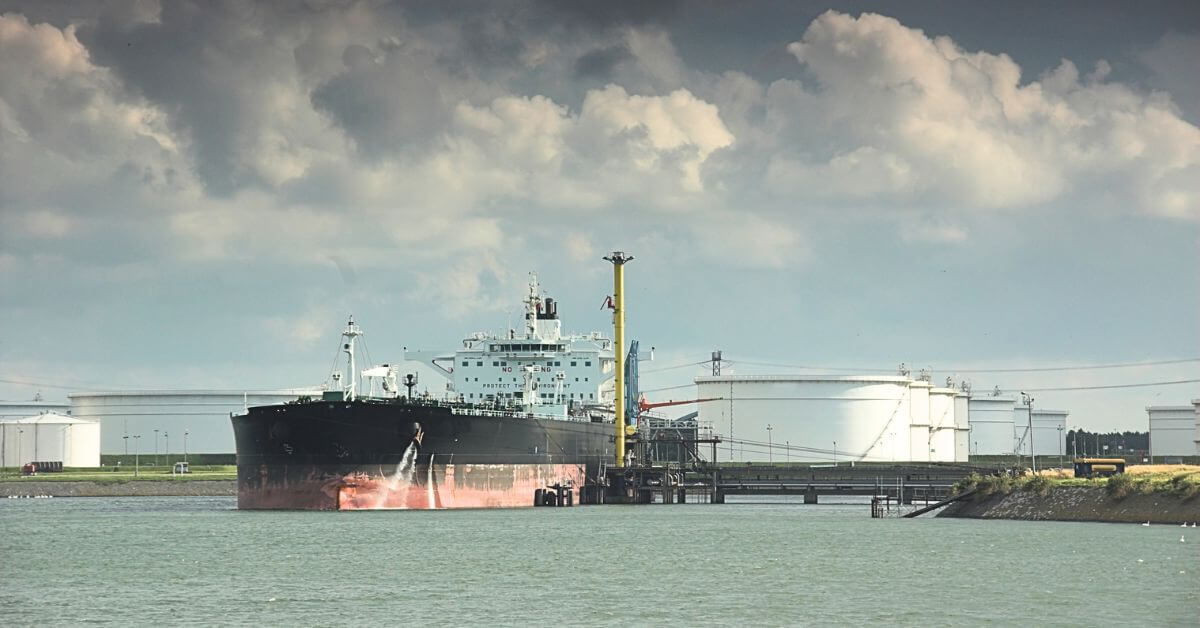
Red Sea crude flows rise as Strait of Hormuz disruptions reshape global routes
Crude loadings at Yanbu have held at roughly 2 million barrels per day since last week, according to trade estimates. This surge in Red Sea flows signals a tangible recalibration of global routes as Strait of Hormuz disruptions force new calculations. The shift is measurable and consequential for energy security. For deeper context on maritime risk, see our coverage of the vessel struck by an unknown projectile in the Strait of Hormuz. Understanding these patterns is essential, because where oil moves, ocean intelligence follows.

Navigating Geopolitics: ADNOC Facilitates Iraqi Oil Transit Through Hormuz.
Amid heightened Strait of Hormuz tensions, ADNOC has distinguished itself as one of the Gulf's most effective producers at moving crude through the critical chokepoint. Its operational discipline underscores how logistical reliability becomes a geopolitical asset. The company's facilitation of Iraqi oil transit reflects a measured, collaborative approach to regional energy flows. For context on how nearby routes are straining, our piece on Gulf of Oman STS transfers shows capacity limits rising. This is pragmatic leadership, not posturing.