artifacts
artifacts at World Data Ocean is a file of 2 stories. The newest of them: “Century-Old Relics From Britannic Wreckage Offer New Ocean Insights” and “Charting a Course: Exploring Marine Archaeology and Future Careers”. A ship's bell, navigation light, and binoculars recovered from the wreck of HMHS *Britannic*, Titanic's sister ship, are yielding measurable, real-time ocean data a century after she sank. The post from a 17-year-old uncertain about marine archaeology arrives at a pivotal moment. A Global Hub for Ocean Intelligence 4 World Data Ocean is a centralized digital platform where researchers, scientists, and ocean enthusiasts converge to… The list below is every artifacts story on World Data Ocean, newest first.
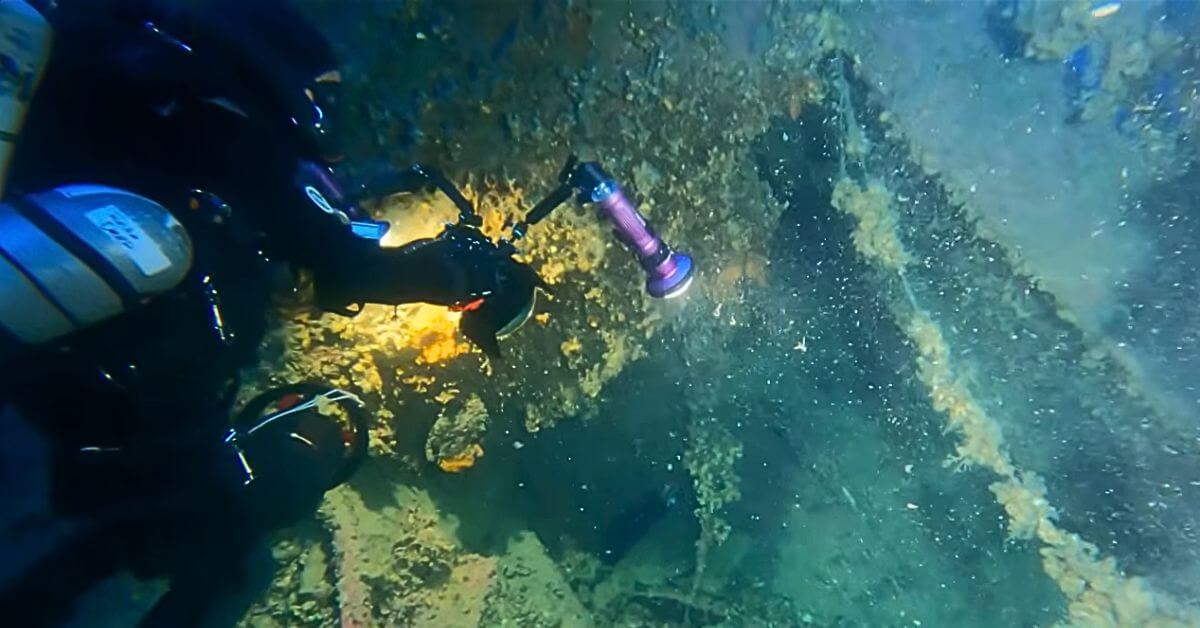
Century-Old Relics From Britannic Wreckage Offer New Ocean Insights
A ship's bell, navigation light, and binoculars recovered from the wreck of HMHS *Britannic*, Titanic's sister ship, are yielding measurable, real-time ocean data a century after she sank. These validated artifacts function as empirical climate indicators, helping researchers calibrate long-term shifts in deep-sea conditions. It is a compelling reminder that historical wreckage can become an integrated data ecosystem. For deeper context on preservation, see our coverage of the 4,700-year-old Mediterranean shipwreck.
Charting a Course: Exploring Marine Archaeology and Future Careers
The post from a 17-year-old uncertain about marine archaeology arrives at a pivotal moment. The student's instinct to blend a humanities background with ocean science is not a detour; it is a practical fusion. Marine archaeology demands exactly this integration of historical context and technical skill. The fear that AI will replace journalism is valid, but the field of underwater heritage needs human judgment for interpretation. This path is less about picking a side and more about combining strengths.