anchoring
3 stories filed under anchoring on World Data Ocean. The newest of them: “100 tonnes of diesel aboard grounded Miro G tests coastal response systems”, “Malaysia restricts tanker traffic and bunkering in new Strait marine protected zone”, and “Oman Mandates Continuous AIS Transmission for Foreign Vessels”. 100 tonnes of diesel remain aboard the grounded bulk carrier Miro G, stuck on a beach in France's Landes region since November 20. Malaysia has taken a measured but decisive step in its newest marine protected zone, restricting tanker traffic and bunkering while imposing speed limits on all vessels. A Global Hub for Ocean Intelligence 4 World Data Ocean is a centralized digital platform where researchers, scientists, and ocean enthusiasts converge to… The list below is every anchoring story on World Data Ocean, newest first.
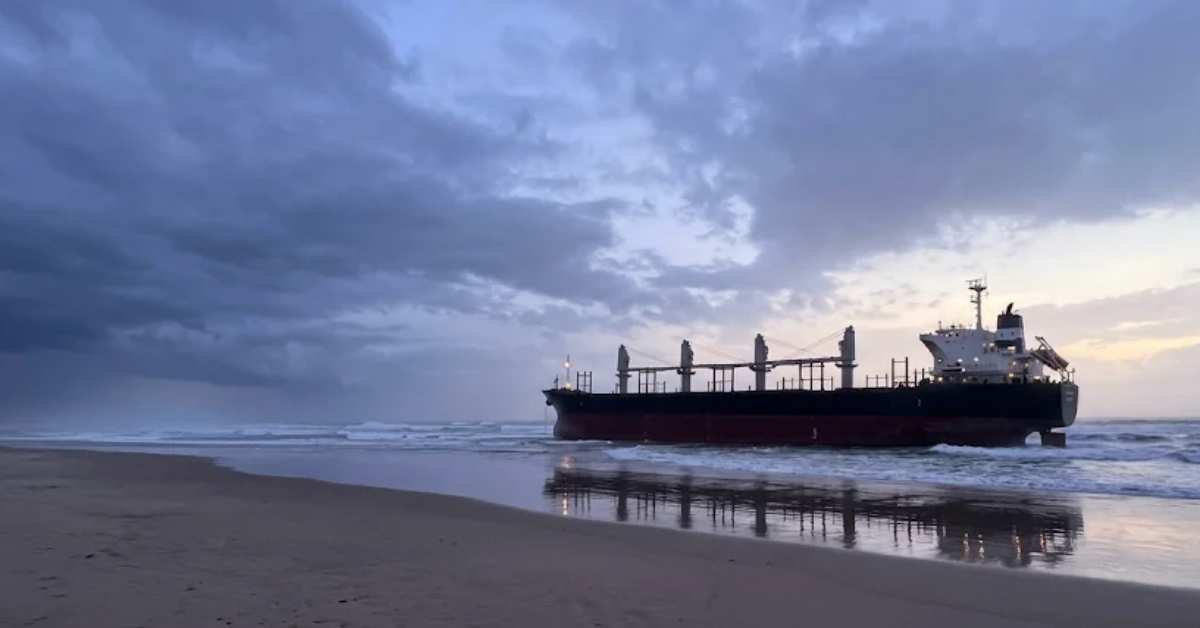
100 tonnes of diesel aboard grounded Miro G tests coastal response systems
100 tonnes of diesel remain aboard the grounded bulk carrier Miro G, stuck on a beach in France's Landes region since November 20. This is not merely a salvage operation; it is a real-world test of coastal response systems. Validated, measurable outcomes from this incident will inform future protocols. The stakes are high, and empirical data matters. For deeper context on maritime emergencies, see our coverage of the SSI Phoenix fire at the Port of Amsterdam.
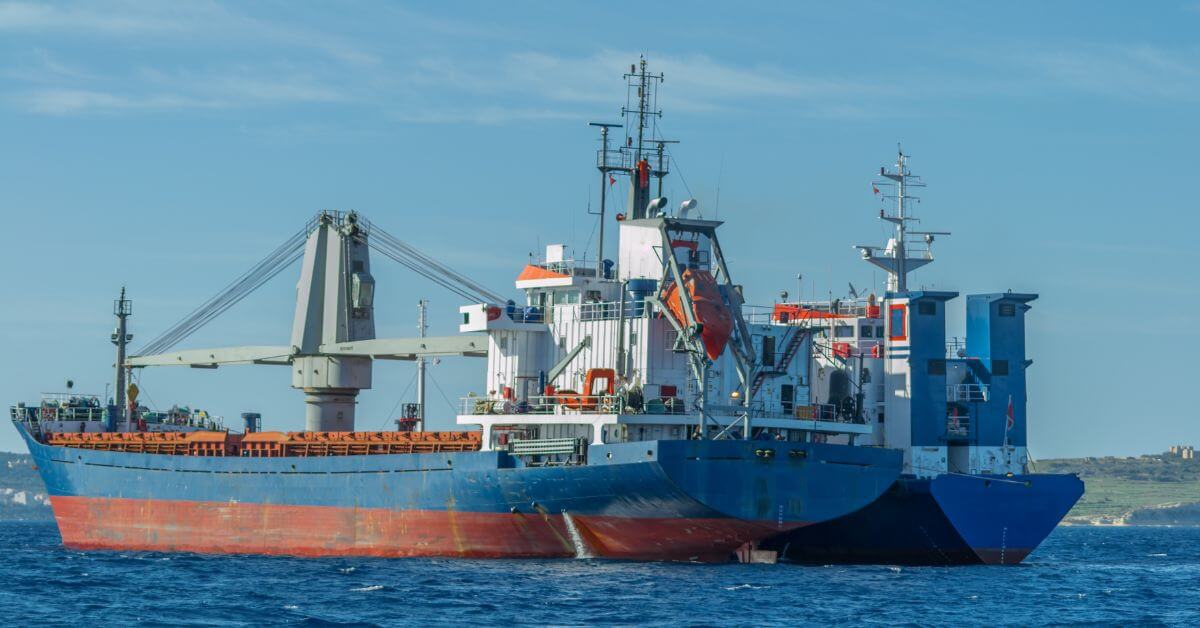
Malaysia restricts tanker traffic and bunkering in new Strait marine protected zone
Malaysia has taken a measured but decisive step in its newest marine protected zone, restricting tanker traffic and bunkering while imposing speed limits on all vessels. Large cargo ships and oil tankers are now forbidden from entering the Strait. This is a calibrated move to protect critical marine habitat without shutting down commerce entirely. For those tracking how citizen science can inform ocean policy, our piece on identifying an unidentified marine object from citizen observations in Tarifa offers a parallel example of community-driven data collection.
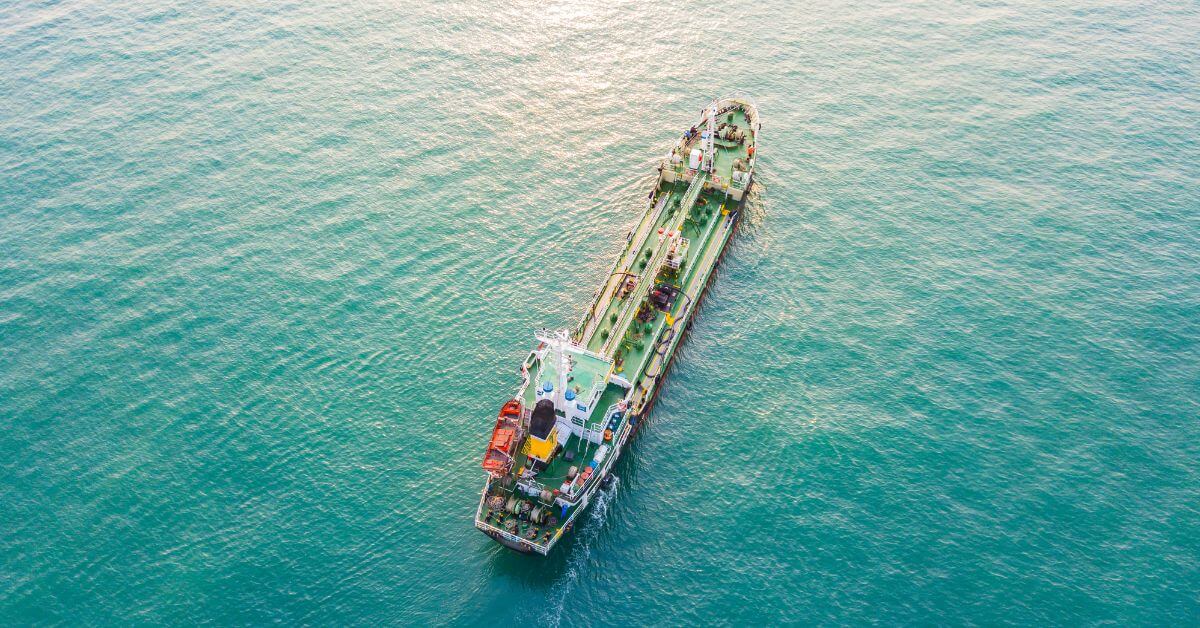
Oman Mandates Continuous AIS Transmission for Foreign Vessels
Oman now requires foreign vessels in its territorial waters to transmit AIS continuously, no exceptions. This is a calibrated, empirical step toward measurable maritime security. Given the recent delayed reports of IRGC incidents in the Strait of Hormuz, the policy underscores a growing need for real-time ocean intelligence in volatile chokepoints. Transparency at sea is not optional; it is the foundation of shared responsibility and validated situational awareness.