AMOC
5 stories filed under AMOC on World Data Ocean. The newest of them: “Atlantic Circulation Weakens: Global Climate Reshaping Predicted”, “Modeling the Salinity Threshold for Atlantic Overturning Circulation”, and “Rapid Warming Threatens Atlantic Circulation’s Stability”. For nearly two decades, the Atlantic Meridional Overturning Circulation has been weakening across a broad expanse of ocean, and the evidence is now firmly observational. The question arrives with the weight of a thought experiment: what if we moved desalination's salty byproduct to Greenland's fjords? A Global Hub for Ocean Intelligence 4 World Data Ocean is a centralized digital platform where researchers, scientists, and ocean enthusiasts converge to… The list below is every AMOC story on World Data Ocean, newest first.
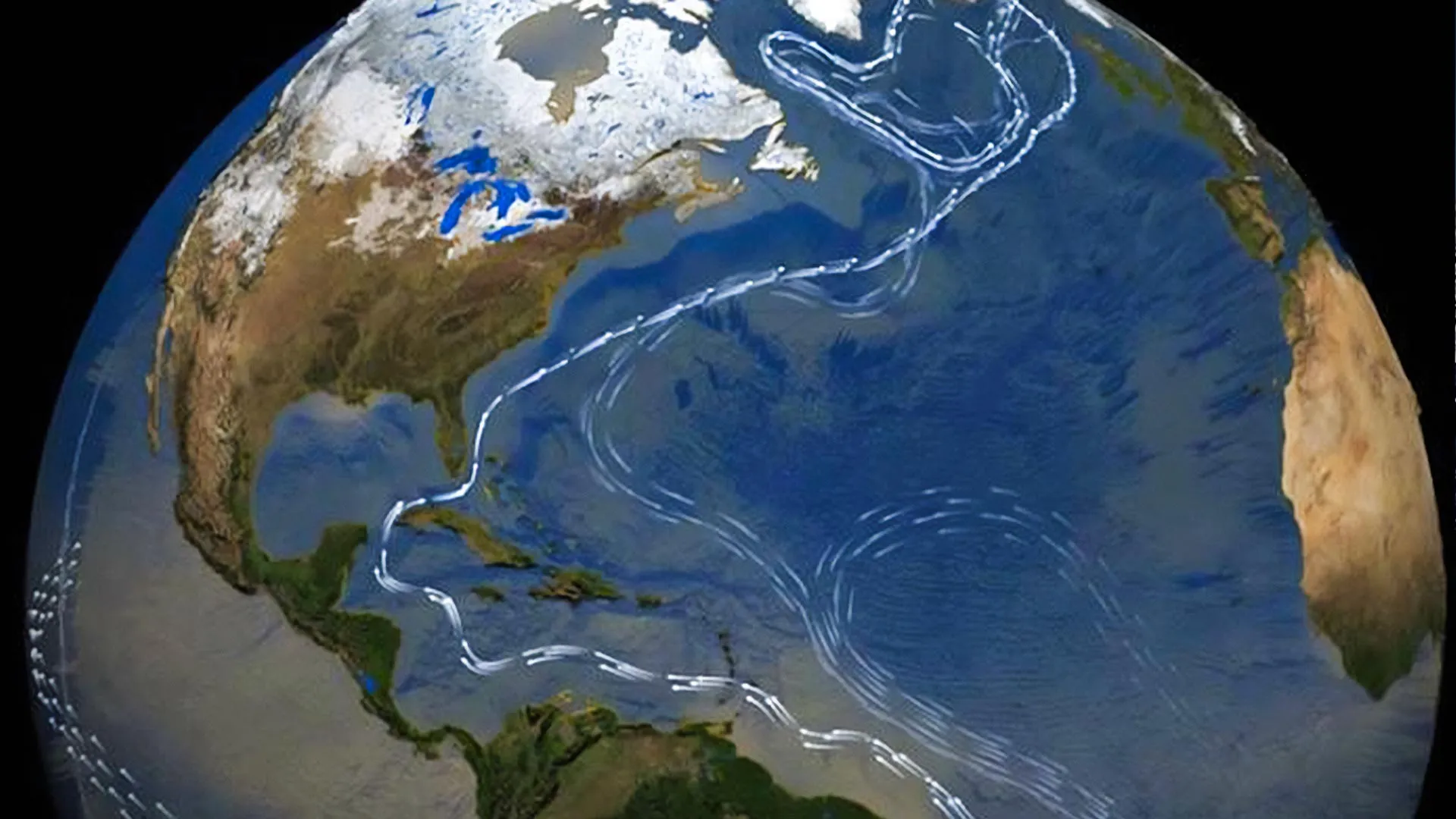
Atlantic Circulation Weakens: Global Climate Reshaping Predicted
For nearly two decades, the Atlantic Meridional Overturning Circulation has been weakening across a broad expanse of ocean, and the evidence is now firmly observational. This isn't a distant model projection; it's a measured slowdown with the potential to redraw weather patterns, storm tracks, and coastal sea levels around the basin. We treat this as a calibrated warning, not speculation. The data demands attention.
Modeling the Salinity Threshold for Atlantic Overturning Circulation
The question arrives with the weight of a thought experiment: what if we moved desalination's salty byproduct to Greenland's fjords? The scale is stark. Greenland's ice sheet already releases roughly 2.5 million litres of fresh water every second, while 22,000 plants generate up to 109 million cubic metres of brine daily. Transporting that brine is a logistical feat, yet the ocean's own mixing dwarfs our efforts. The AMOC's collapse hinges on salinity thresholds we are only beginning to map.

Rapid Warming Threatens Atlantic Circulation’s Stability
The pace of warming may be the deciding factor for the Atlantic Meridional Overturning Circulation. New research indicates that rapid temperature rise, similar to today's trajectory, can push this massive system past a tipping point far earlier than gradual change would allow. The finding reframes our understanding of climate thresholds. For a broader perspective on how we track these shifts, our related piece, "Atlantic Circulation Weakens: Global Climate Reshaping Predicted," offers additional context.
North Atlantic Warming Hole: Understanding Ocean Dynamics and Climate Impacts
The North Atlantic warming hole south of Greenland is often flattened into a single alarming headline. This six-minute explainer resists that. It carefully separates sea-surface temperature change from total ocean heat content, and it clarifies how freshening can strengthen stratification near the surface. The video also warns against generalizing modeled subsurface warming near Greenland to the entire subpolar North Atlantic. The cold blob may hint at shifting ocean heat transport, but it is not proof of imminent AMOC collapse. That distinction matters.
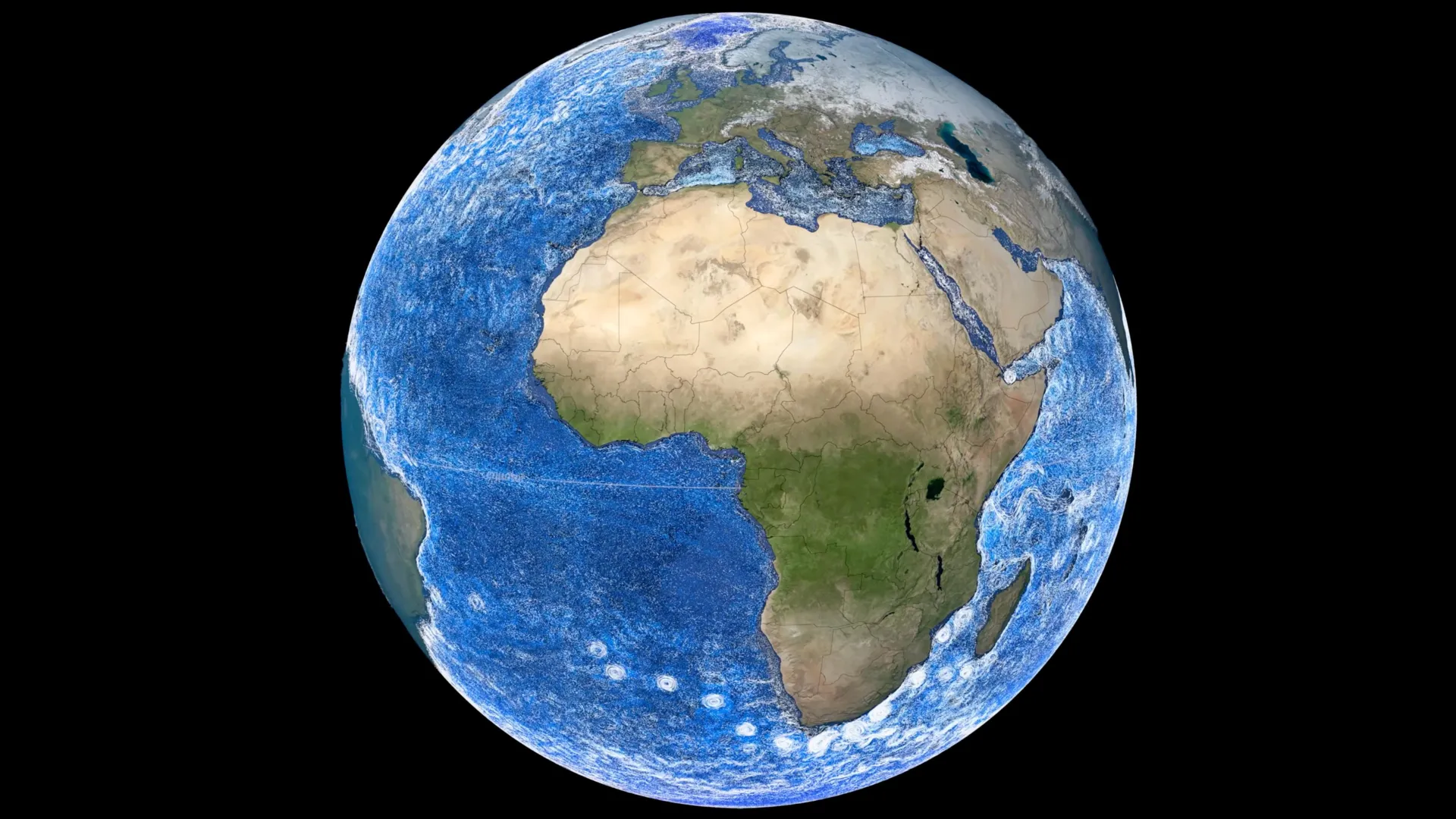
Ancient Sediments Reveal AMOC’s Resilience Amid Ocean Circulation Shift
Ancient seafloor sediments show that 3.4 million years ago, as the Indian Ocean's warm, salty inflow into the Atlantic nearly ceased, the AMOC held its own, parts of the overturning circulation even strengthened. That resilience challenges assumptions about how abruptly this system can shift. It is a reminder that ocean circulation responds in ways we are still mapping. For more on how we track such changes, see "Calibrated ocean intelligence, now within reach through integrated data discovery."