Abu Dhabi
3 stories filed under Abu Dhabi on World Data Ocean. The newest of them: “Khalifa Port's 21.6% TEU surge lifts it five spots in global rankings”, “Navigating Geopolitics: ADNOC Facilitates Iraqi Oil Transit Through Hormuz.”, and “Attacks on ADNOC Vessels Disrupt Oil Flow Through Strait of Hormuz”. Khalifa Port's 21.6% surge to 6.6 million TEUs in 2025 is a validated measure of strategic growth, lifting it five places to 34th globally. Amid heightened Strait of Hormuz tensions, ADNOC has distinguished itself as one of the Gulf's most effective producers at moving crude through the critical chokepoint. A Global Hub for Ocean Intelligence 4 World Data Ocean is a centralized digital platform where researchers, scientists, and ocean enthusiasts converge to… The list below is every Abu Dhabi story on World Data Ocean, newest first.
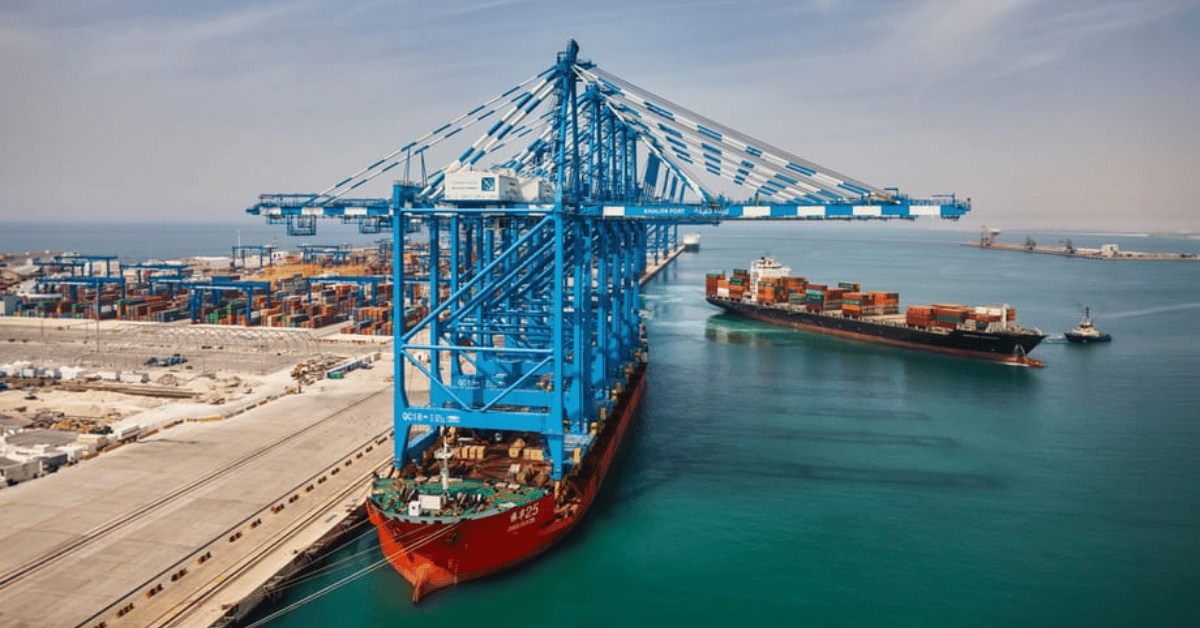
Khalifa Port's 21.6% TEU surge lifts it five spots in global rankings
Khalifa Port's 21.6% surge to 6.6 million TEUs in 2025 is a validated measure of strategic growth, lifting it five places to 34th globally. This isn't just about volume; it signals an integrated logistics ecosystem gaining momentum. Abu Dhabi is building measurable capacity for the future of trade. For deeper context on how fleet modernization aligns with this trajectory, see our coverage of the dual-fuel fleet surpassing 500 vessels.

Navigating Geopolitics: ADNOC Facilitates Iraqi Oil Transit Through Hormuz.
Amid heightened Strait of Hormuz tensions, ADNOC has distinguished itself as one of the Gulf's most effective producers at moving crude through the critical chokepoint. Its operational discipline underscores how logistical reliability becomes a geopolitical asset. The company's facilitation of Iraqi oil transit reflects a measured, collaborative approach to regional energy flows. For context on how nearby routes are straining, our piece on Gulf of Oman STS transfers shows capacity limits rising. This is pragmatic leadership, not posturing.

Attacks on ADNOC Vessels Disrupt Oil Flow Through Strait of Hormuz
Three ADNOC vessels came under attack this week, with one crew member killed and 20 injured, the company confirmed. This is not an isolated incident; it is a direct strain on the flow of oil through the Strait of Hormuz, a corridor the entire region depends on. The human toll is unacceptable, and the disruption to global energy routes demands a measured, empirical response. Our related coverage on phased negotiations to ease restrictions in the strait offers essential context for what comes next.