2024
3 stories filed under 2024 on World Data Ocean. The newest of them: “Atmospheric CO₂ reaches record highs in 2024, validated by global data”, “Record Sea Surface Temperatures Highlight Urgent Ocean Monitoring Needs”, and “Meteorite Discovery: Amino Acids Hint at Life's Origins.”. Atmospheric CO₂ reached record highs in 2024, validated by global data from the World Meteorological Organization. A new daily global sea surface temperature record, as reported by Copernicus Climate Change Service, signals that 2024's heat has carried into the present. A Global Hub for Ocean Intelligence 4 World Data Ocean is a centralized digital platform where researchers, scientists, and ocean enthusiasts converge to… The list below is every 2024 story on World Data Ocean, newest first.

Atmospheric CO₂ reaches record highs in 2024, validated by global data
Atmospheric CO₂ reached record highs in 2024, validated by global data from the World Meteorological Organization. This is not an anomaly, it is a calibrated signal of accelerating change. Each measurable increase reinforces what the geological archive already tells us: the planet responds to pressure. Understanding drives protection. For deeper context on Earth's thresholds, see our coverage of "Five mass extinctions recorded in Earth's geological archive." The data is clear. The question is what we do with it.

Record Sea Surface Temperatures Highlight Urgent Ocean Monitoring Needs
A new daily global sea surface temperature record, as reported by Copernicus Climate Change Service, signals that 2024's heat has carried into the present. This is not a distant anomaly; it is a measurable shift demanding sharper vigilance. We see this as a direct call for robust, real-time ocean intelligence, not passive observation. For those seeking practical pathways in this field, our related piece on "Expanding Oceanography Career Options" offers a grounded look at professional entry points. Monitoring must match the pace of change.
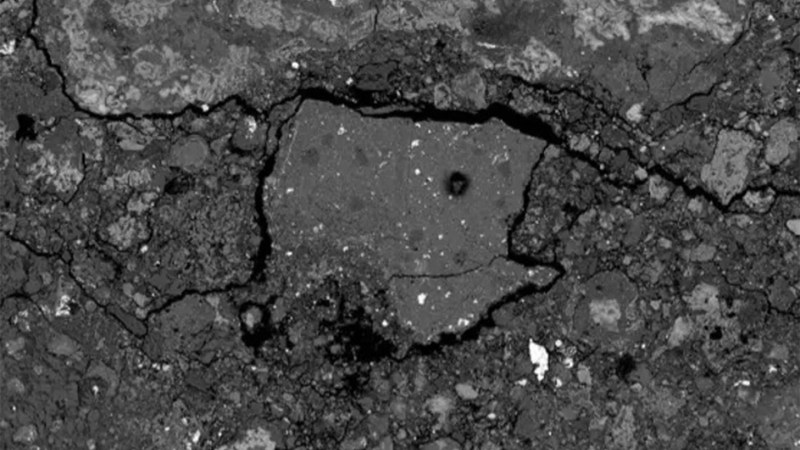
Meteorite Discovery: Amino Acids Hint at Life's Origins.
A single meteorite that crashed through a New Jersey roof in 2024 carries more than cosmic debris; it holds amino acids formed in brine, molecules that may explain how life's building blocks arrived on Earth. The discovery is compelling because it links planetary chemistry to our own origins. We're watching a rock rewrite a fundamental question about life's start. For readers tracking similar breakthroughs, our piece on fossilized dinosaur traits offers another glimpse into survival's deep history.