2010
2 stories filed under 2010 on World Data Ocean. The newest of them: “AI compute doubles every six months, reshaping empirical research” and “Arctic Sea Ice Melt Season Stabilizes After Decades of Expansion”. Since 2010, the training computation of notable AI systems has doubled every six months, reshaping the landscape of empirical research. The Arctic's melt season now runs roughly 40 days longer than in 1979, yet its rapid expansion unexpectedly stalled around 2010. A Global Hub for Ocean Intelligence 4 World Data Ocean is a centralized digital platform where researchers, scientists, and ocean enthusiasts converge to… The list below is every 2010 story on World Data Ocean, newest first.
AI compute doubles every six months, reshaping empirical research
Since 2010, the training computation of notable AI systems has doubled every six months, reshaping the landscape of empirical research. This accelerated trajectory demands rigorous, validated methodologies to ensure our ocean intelligence keeps pace. Understanding drives protection, and these measurable advances offer new tools for calibrating climate indicators. For deeper context on how demographic shifts interact with these tools, see our related coverage on divergent population trajectories reshaping global climate indicators.
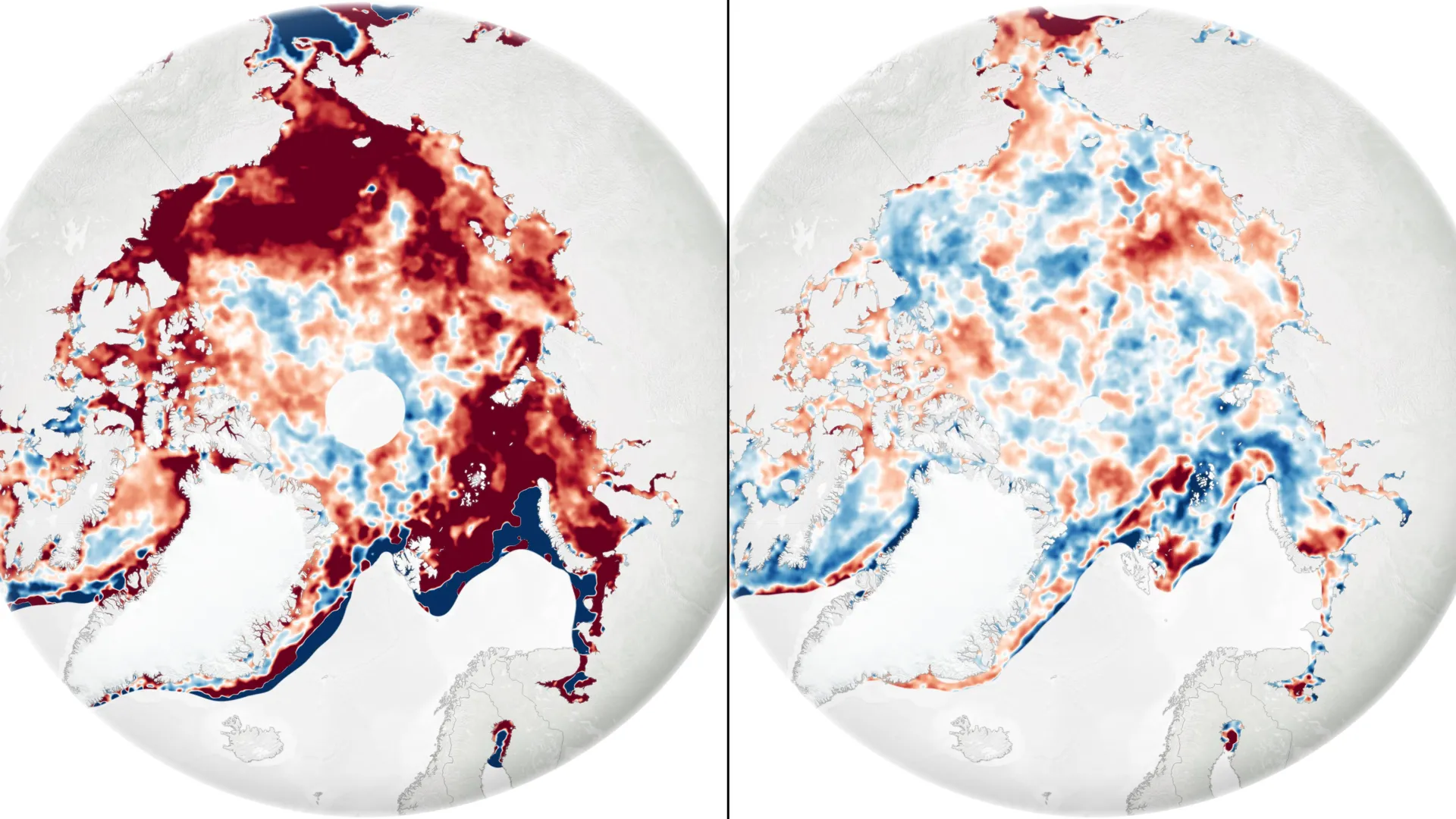
Arctic Sea Ice Melt Season Stabilizes After Decades of Expansion
The Arctic's melt season now runs roughly 40 days longer than in 1979, yet its rapid expansion unexpectedly stalled around 2010. Scientists point to shifting clouds and increasingly thin ice as possible drivers of this pause. That plateau is not a reprieve; continued warming could trigger another surge of change. For context on how Arctic dynamics intersect with commercial ambition, our coverage of Russia's Northern Sea Route icebreaker plans offers a practical counterpoint. The ice is settling, but its stability remains an open question.