UNESCO warns a tsunami in the Mediterranean is inevitable
Our take
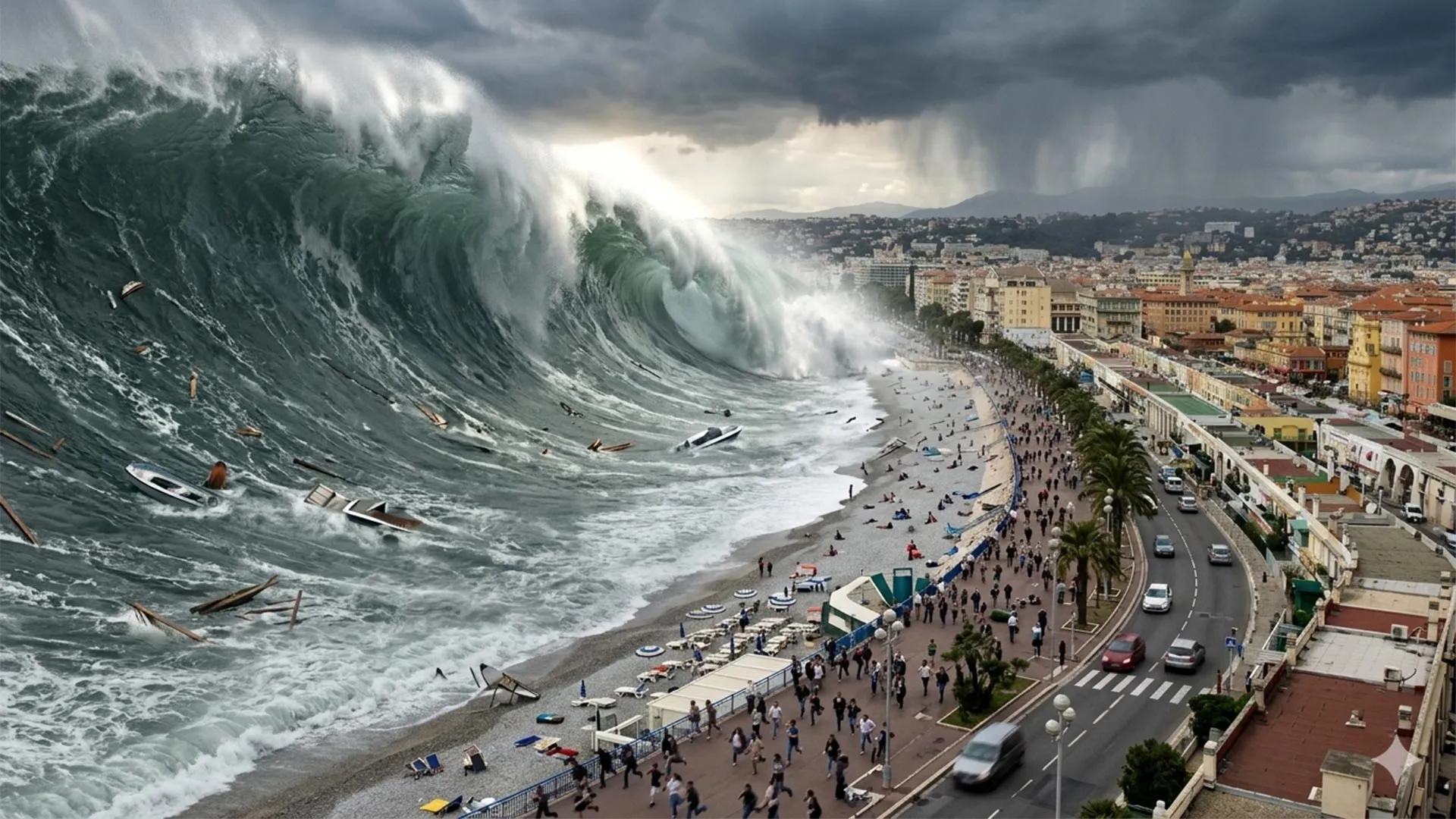
As UNESCO warns of an inevitable tsunami threat in the Mediterranean, particularly along the French Riviera, it is essential to analyze the implications of this revelation. While many may perceive the Mediterranean as a tranquil tourist destination, historical data and advanced modeling indicate that this region is not immune to devastating natural disasters. The warning underscores a critical reality: coastal areas worldwide, including popular tourist spots, must confront the risks posed by geological phenomena that could manifest with little to no warning. As highlighted in our recent articles like Hidden earthquake faults beneath Seattle may be more dangerous than expected and Antarctic glacier collapses at record speed as Hektoria retreats 15 miles in just 15 months, the urgency of understanding and addressing natural disasters is more pressing than ever.
The Mediterranean's historical records indicate that significant tsunamis have occurred in the past, often triggered by undersea earthquakes or volcanic activity. These events serve as a stark reminder that the Mediterranean, despite its serene façade, has a complex geological history that makes it susceptible to sudden, violent changes. An alarming aspect of the current threat is that some tsunami scenarios could reach the coastline in under ten minutes, leaving little room for traditional warning systems. This highlights not only the need for improved monitoring and rapid response systems but also the importance of public education regarding natural disaster preparedness. As we have seen with phenomena like the impending Super El Nino - The most Powerful climate phenomenon on Record to hit the US - expected to peak from Nov. 2026 to Feb. 2027, understanding and mitigating climate-related risks is critical for coastal communities.
This development is significant for several reasons. First, it compels local governments and policymakers to reassess their emergency preparedness plans and invest in technologies that enhance tsunami detection and warning capabilities. With the Mediterranean being a hub of economic activity and tourism, the potential for loss—not just in terms of human life but also economic stability—makes this an urgent priority. Furthermore, as climate change alters oceanic conditions, the frequency and intensity of extreme weather events may increase, necessitating a proactive rather than reactive approach to disaster management.
The implications extend beyond immediate safety concerns. The warning from UNESCO serves as a call to action for global collaboration in scientific research and data sharing. As we face increasingly complex environmental challenges, interdisciplinary approaches that integrate ocean intelligence, climate indicators, and validated scientific research will be crucial. Institutions, researchers, and governments must work together to establish a comprehensive understanding of tsunami risks and develop strategies that prioritize community resilience.
Looking forward, it is essential to ask: How can we foster a culture of preparedness and resilience in coastal communities that balances the allure of tourism with the realities of natural threats? The Mediterranean tsunami warning should serve as a catalyst for broader discussions about ocean stewardship and climate adaptation strategies, reinforcing the notion that everyone has a role to play in safeguarding our oceans and coastal environments. As we navigate these challenges, we must remain vigilant, innovative, and collaborative in our pursuit of a safer and more informed future.
Read on the original site
Open the publisher's page for the full experience