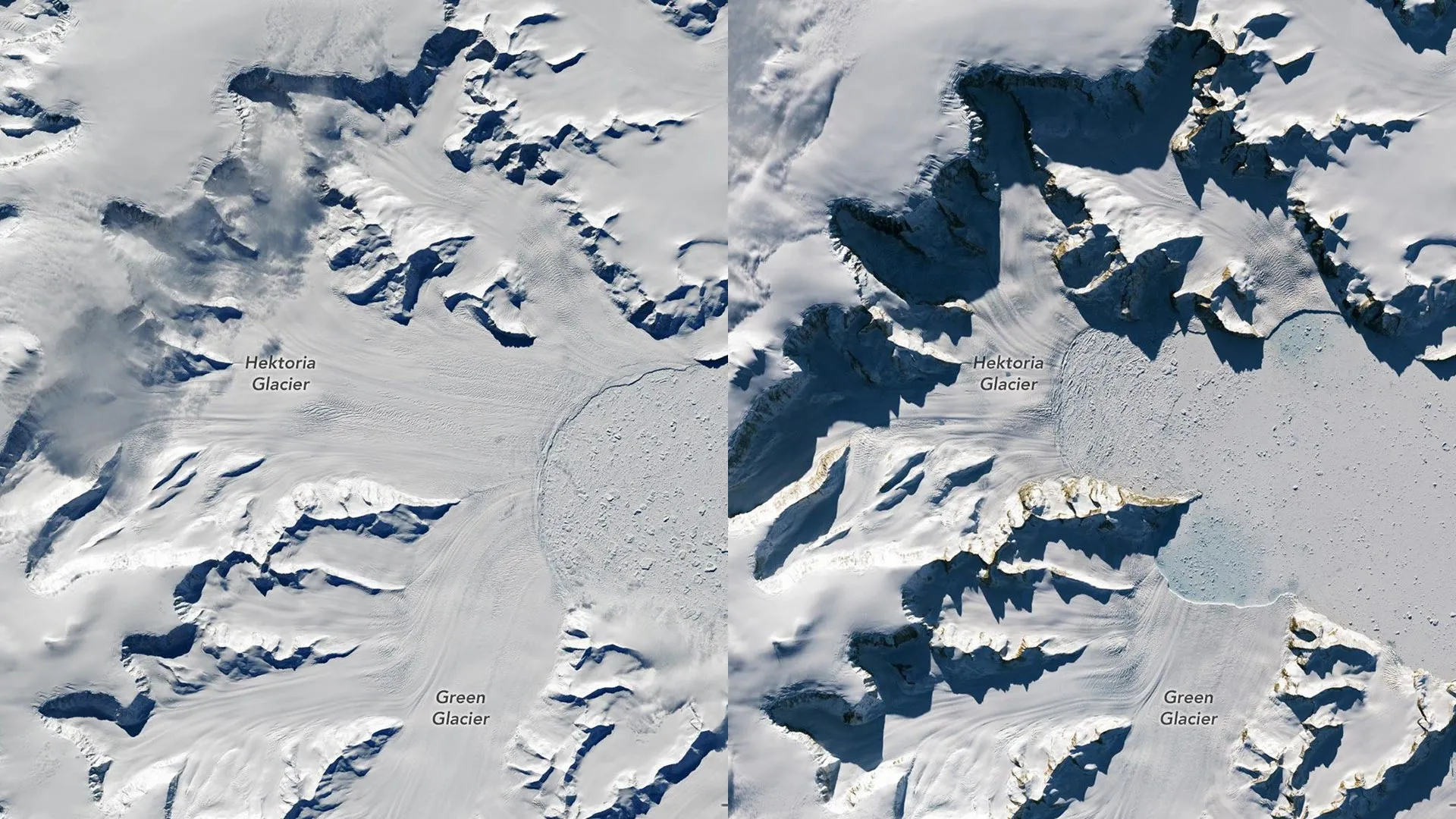
The recent retreat of Antarctica’s Hektoria Glacier, which has collapsed at an unprecedented rate of 15 miles in just 15 months, highlights a concerning trend in global climate dynamics. This rapid change, driven by warming conditions and ocean-driven instability, underscores the breaking point of what many scientists considered a stable glacier. Such developments are not isolated; they mirror patterns observed in various ecosystems, as seen in related studies like Autumn fish assemblages show marked estuarine–offshore spatial heterogeneity in the Yangtze River Estuary and adjacent waters and Biodiversity and community dynamics of pelagic Sargassum: ecological and sustainable use implications of wild vs. cultivated aggregations. These articles reveal the interconnectedness of ecological shifts, driven by climate change, and their potential impact on biodiversity and ecosystem health.
The significance of the Hektoria Glacier's collapse extends beyond its immediate geographical context. It serves as a stark warning of the accelerating impacts of climate change, particularly in polar regions that are disproportionately affected. With glaciers acting as critical indicators of Earth’s health, their rapid retreat signifies a loss of freshwater resources and contributes to rising sea levels that threaten coastal communities worldwide. The implications are dire, necessitating an urgent reevaluation of our climate strategies and policies. As observed in the Machine learning based accurate storm surge peak and timing forecast in Pearl River Estuary, the integration of innovative technologies is crucial for forecasting and mitigating the effects of climate-related disasters, highlighting the need for a proactive approach to ocean stewardship.
This alarming trend also raises critical questions about our understanding of climate feedback mechanisms. The shift from stability to rapid disintegration of the Hektoria Glacier illustrates the complex interactions between warming oceans and glacial dynamics. The phenomenon of ocean-driven instability suggests that the warming seas are not merely contributors to climate change but active agents in altering the landscape of the polar regions. This complexity necessitates a collaborative approach among scientists, policymakers, and stakeholders to develop integrated data ecosystems that enhance our understanding of these dynamics and inform effective responses.
Looking ahead, the implications of the Hektoria Glacier's collapse are profound. As we observe the ongoing changes in our planet’s cryosphere, we must consider not only the local but also the global ramifications of such events. The urgency of the situation calls for a coordinated global response that emphasizes scientific research, technological innovation, and community engagement in ocean stewardship. Questions linger about how quickly we can adapt to these rapid changes and what policies will emerge to address the long-term challenges posed by such unprecedented shifts. As we move forward, fostering a sense of shared responsibility will be vital in ensuring the health of our oceans and the well-being of future generations.