Scientists finally solve mystery of strange “golden orb” found 2 miles deep
Our take
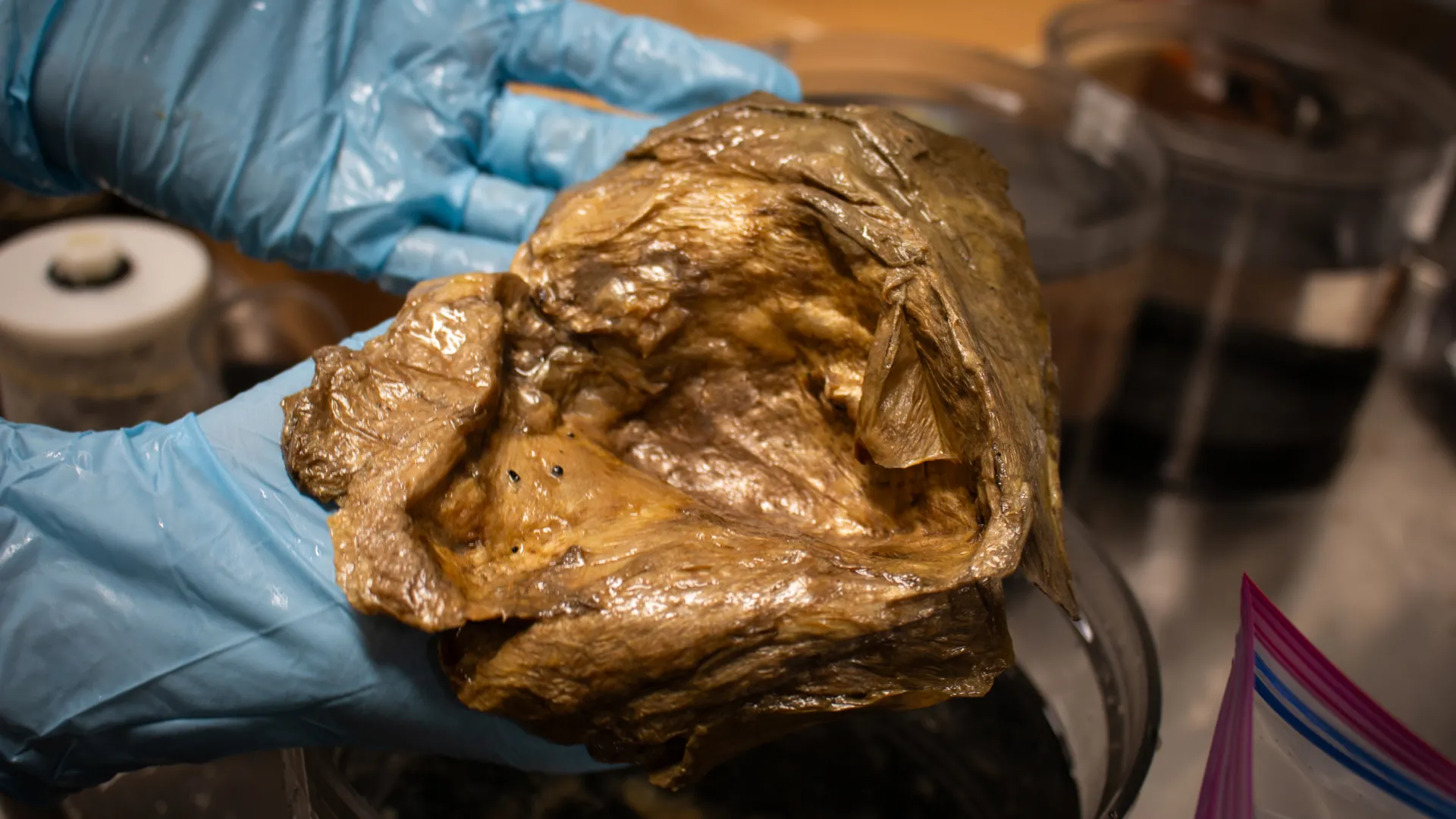
The recent revelation about the mysterious “golden orb” discovered deep in the Gulf of Alaska has captivated the scientific community and the public alike. Initially, the orb's origins sparked wild speculation, with theories ranging from alien artifacts to unidentified marine life. However, after extensive analysis involving deep-sea expertise, microscopic examination, and advanced DNA sequencing, researchers found that the orb was nothing more exotic than the remains of a giant deep-sea anemone. This finding not only highlights the depths of our oceans and their unique ecosystems but also underscores the importance of scientific inquiry in unraveling the mysteries of our planet. As we explore the depths of the seas, we continue to uncover remarkable discoveries, similar to those documented in articles like Giant squid discovery uncovers a hidden deep-sea world off Australia and Design and hydrodynamic analysis of a wave energy aquaculture platform for deep-sea operations.
The fascination surrounding the golden orb reflects a broader trend in marine science where the unknown becomes a source of intrigue and inspiration. The oceans cover over 70% of our planet, yet much of their depths remain unexplored. Each discovery, such as the giant anemone, not only contributes to our understanding of biodiversity but also raises questions about the health of these ecosystems. The findings emphasize the need for further exploration and research, particularly in the face of environmental challenges such as climate change and ocean acidification. For instance, the Navigating marine litter governance: loopholes and strategic recommendations for the EU policy framework article underscores how pollution can disrupt these fragile ecosystems, making the case for an integrated approach to ocean stewardship.
Moreover, the scientific methods employed to solve the mystery of the golden orb—combining technological innovation with collaborative research—set a precedent for future investigations. The use of advanced DNA sequencing in identifying the orb’s origins exemplifies how modern technology can enhance our understanding of marine biology. As scientists continue to push the boundaries of knowledge, it is essential that we support and invest in these innovative approaches. The ocean's depths hold many secrets, and by employing advanced methodologies, we can gain insights that not only expand our scientific knowledge but also inform conservation efforts.
As we reflect on the significance of the golden orb's discovery, we must consider the broader implications for ocean conservation and exploration. What other mysteries lie hidden beneath the waves? Each new finding brings us one step closer to understanding the intricate web of life that exists in our oceans. It also serves as a reminder of our shared responsibility to protect these ecosystems, ensuring that future generations can continue to explore and learn from the ocean's depths. The question remains: how can we further leverage scientific discovery to foster a sustainable relationship with our oceans? As we look forward, the interplay between exploration, innovation, and conservation will be crucial in shaping our understanding of the seas and our role in safeguarding their future.
Read on the original site
Open the publisher's page for the full experience