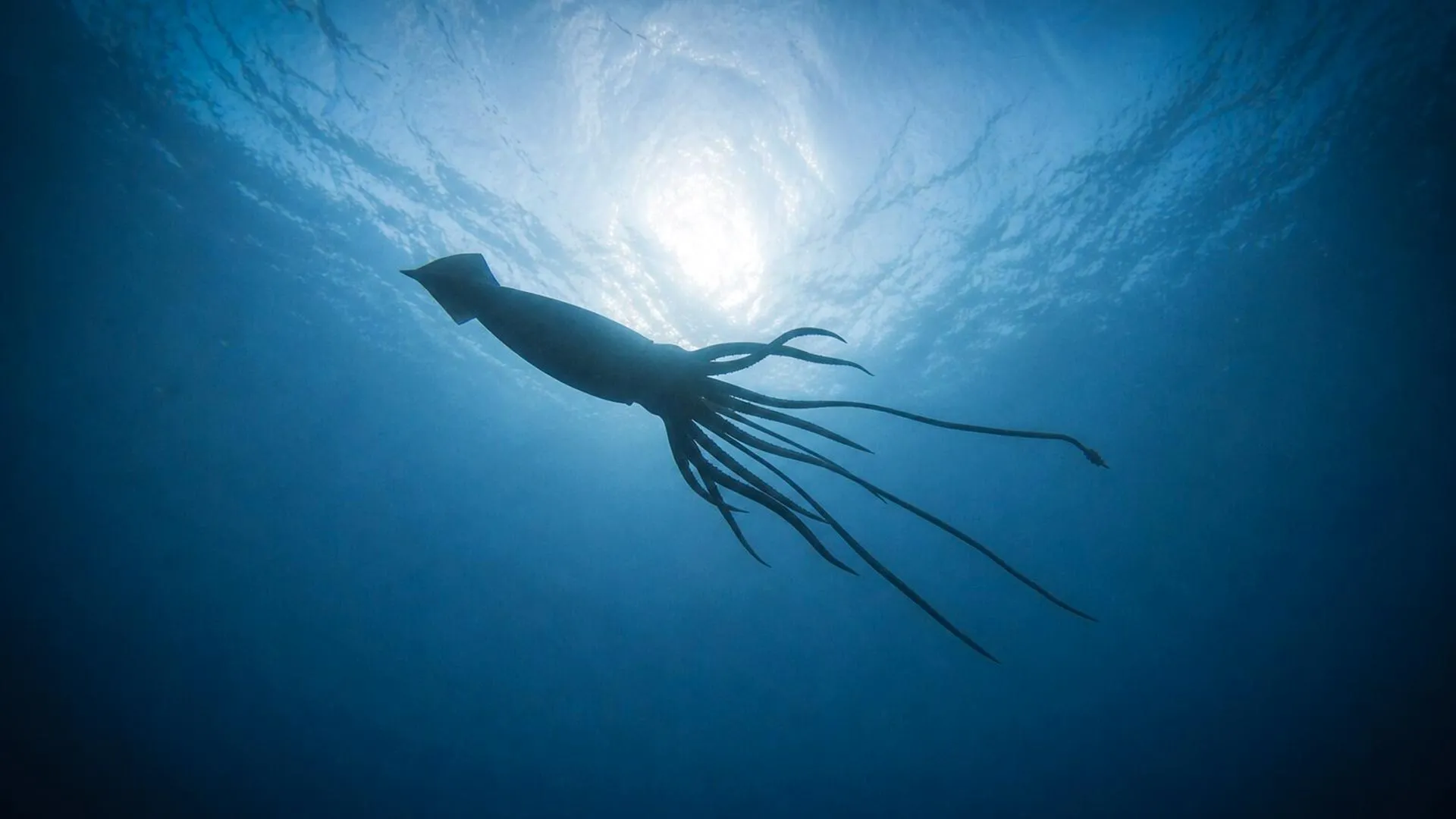
The recent discovery of a hidden deep-sea world off the coast of Western Australia, including signs of the elusive giant squid, is a significant breakthrough in marine science. By utilizing advanced techniques to analyze traces of DNA in seawater from depths exceeding 4 kilometers, researchers identified 226 species, some of which may be entirely new to science. This finding underscores the importance of ocean exploration and highlights the vast, largely uncharted biodiversity that exists beneath the surface. As we learn about these unique ecosystems, it is vital to consider their role in the health of our planet, much like the remote Arctic kelp forests discussed in our article, Islands of biodiversity created by remote Arctic kelp forests of the central Kitikmeot Sea, which contribute to coastal biodiversity and carbon sequestration.
The implications of such discoveries extend beyond mere curiosity. Understanding the biodiversity of these deep-sea environments is crucial for multiple reasons. Firstly, these ecosystems serve as indicators of climate change, as they are sensitive to shifts in ocean temperature and chemistry. The identification of new species can provide insight into how marine life adapts to changing conditions, potentially offering clues about resilience in the face of environmental stressors. Furthermore, as we explore these depths, we are reminded of the interconnectedness of global marine environments. The knowledge gained from these studies can inform conservation efforts worldwide, linking the findings from deep-sea research to broader marine health initiatives, such as those highlighted in our article, U.S, Philippines & Partner Nations Sink 2 Decommissioned Ships In Balikatan Exercise, where collaborative efforts aim to enhance marine ecosystems.
Moreover, the application of cutting-edge technology in marine research, such as environmental DNA (eDNA) analysis, exemplifies the innovative approaches needed to uncover the complexities of our oceans. This method not only reveals the presence of elusive species but also allows scientists to assess biodiversity without the need for physical specimens, making it a powerful tool in marine biology. As we embrace these technological advancements, we must also consider the ethical implications of our discoveries. The deep sea is often depicted as a mysterious frontier, but it is also a fragile environment that requires responsible stewardship. As we gain insight into these hidden worlds, the urgency of protecting them becomes increasingly clear.
In conclusion, the uncovering of a hidden deep-sea world off Western Australia serves as a poignant reminder of the vast, unexplored territories that still exist in our oceans. As we continue to push the boundaries of marine science, it is essential to foster global collaboration and commitment to ocean stewardship. The discoveries made in these depths not only enrich our understanding of marine biodiversity but also challenge us to think critically about our impact on the planet. As we look to the future, one pressing question remains: How can we balance the drive for exploration with the imperative of conservation in an era of rapid environmental change? This inquiry will shape our approach to marine science and conservation in the years to come.