Physics explains why gold stays pristine
Our take
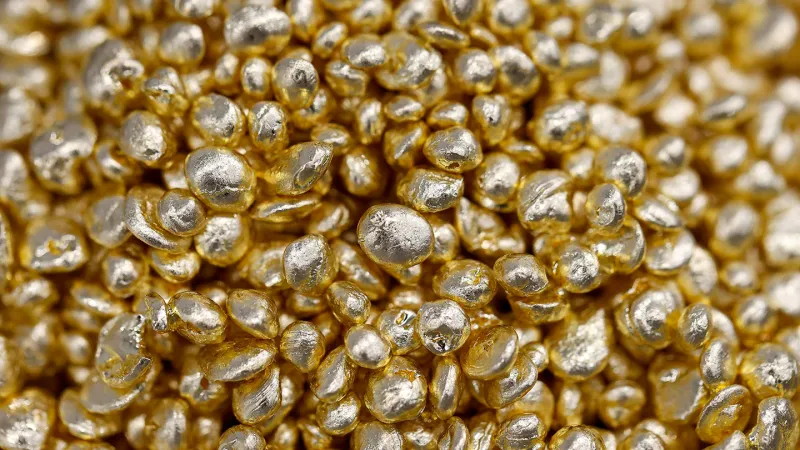
In the realm of materials science, the behavior of metals under environmental conditions often reveals fascinating insights into their intrinsic properties. A recent article explores the unique resilience of gold, which, unlike more reactive metals such as copper, remains pristine due to a remarkable switch in its atomic arrangement when exposed to oxygen. This finding not only highlights the exceptional nature of gold but also raises important questions about material durability and its applications in various fields, including technology and environmental science. For instance, understanding how elements interact at the atomic level can inform our approaches to sustainable practices, as seen in other research such as the Giant “stealth” magma surge triggered thousands of earthquakes beneath Atlantic island and Scientists discover the strange way CO2 cools part of Earth’s atmosphere.
Gold's resistance to oxidation stems from its unique atomic structure, which enables a swift reconfiguration of atoms on its surface when faced with oxygen. This protective mechanism allows gold to maintain its luster and integrity over time, contrasting sharply with copper, which experiences tarnishing and degradation through oxidation. This fundamental difference is not merely a matter of aesthetics; it speaks to the broader implications of material choice in engineering and design. As we confront the challenges of climate change and the need for sustainable materials, understanding the properties of metals like gold can lead to innovations that minimize environmental impact while maximizing durability.
The implications of this atomic behavior extend beyond jewelry and decorative arts. In the field of electronics, for example, gold's non-reactive nature makes it an ideal candidate for connectors and circuit paths where reliability is paramount. As industries increasingly seek to reduce waste and improve efficiency, the lessons drawn from gold’s behavior could inspire new, eco-friendly materials that mimic this resilience. Gold’s pristine condition in harsh environments could serve as a model for developing advanced coatings and alloys that resist corrosion and wear, thus enhancing the longevity of products and reducing the need for frequent replacements.
Moreover, this research intersects with ongoing discussions about resource sustainability and environmental stewardship. As we explore the limits of our planet’s resources, the ability to harness materials that maintain their integrity can contribute to a circular economy, where products are designed for longevity rather than obsolescence. This shift is particularly relevant in the context of the ocean, where metallic waste can have dire consequences for marine ecosystems. By prioritizing materials that resist degradation, we can work towards protecting these vital environments from the harmful effects of pollution.
As we delve deeper into the understanding of materials science and their interactions with the environment, we must consider how these insights can inform our strategies for sustainability. The question remains: how can the principles learned from gold’s atomic resilience be applied to other materials, particularly in the context of climate adaptation and resource management? The future of materials science holds promise, and by fostering a deeper understanding of elemental behaviors, we can pave the way for innovative solutions that promote both technological advancement and environmental health. The journey ahead will be one of exploration and responsibility, as we seek to create a more sustainable future informed by the scientific principles that govern our world.
Read on the original site
Open the publisher's page for the full experience