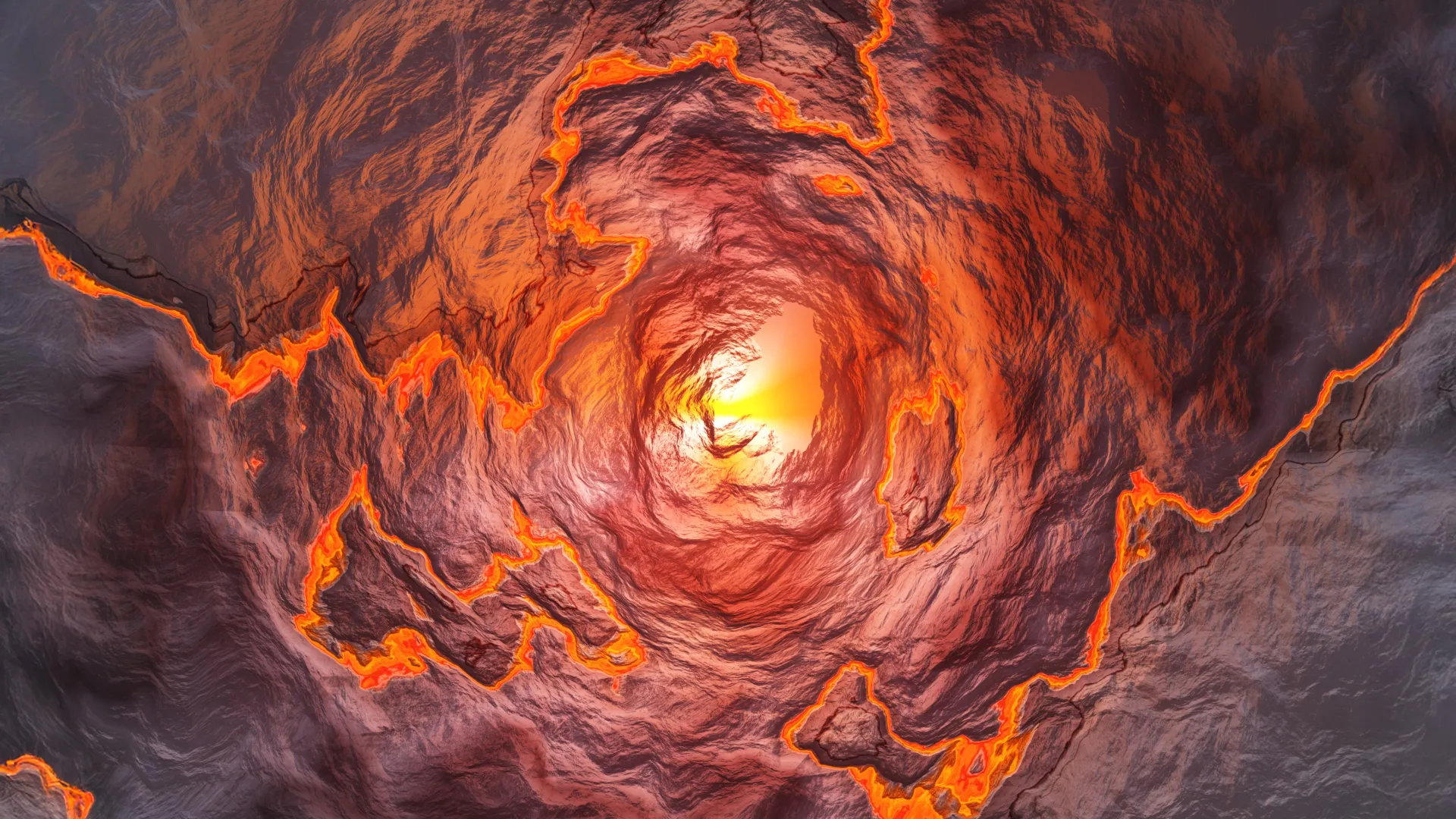
The recent discovery of a massive surge of magma beneath Portugal’s São Jorge Island has sparked significant interest within the scientific community and beyond. This underground event, which triggered thousands of earthquakes in 2022, serves as a stark reminder of the dynamic forces that shape our planet. Researchers noted that this molten rock ascended from depths exceeding 20 kilometers at an astonishing rate, enough to fill 32,000 Olympic swimming pools, before stalling just 1.6 kilometers below the surface—a phenomenon referred to as a “failed eruption.” Such events not only highlight the geological complexity of our world but also prompt us to consider the implications of volcanic activity in the context of climate change and natural disaster preparedness. For further insights into related scientific phenomena, one might consider the strange way CO2 cools part of Earth’s atmosphere or the alarming findings on how Antarctica is melting from below.
Understanding the implications of seismic activity and magma movement is crucial, particularly in regions like the Azores, where volcanic activity is part of the landscape. The recent surge beneath São Jorge Island raises questions about the potential for future eruptions and the dangers they may pose to local communities and ecosystems. While this particular surge did not culminate in a volcanic eruption, it serves as a wake-up call regarding the need for robust monitoring systems and early warning mechanisms. As climate change continues to alter geological and environmental conditions, the potential for volcanic eruptions could increase, necessitating a proactive approach to disaster preparedness and public safety.
Moreover, the rapid ascent of magma and its eventual stall near the surface underscores the complexities involved in volcanic systems. Researchers are left to ponder the underlying mechanisms that govern such behavior. Could this event be indicative of broader geological processes at play? Understanding these dynamics is essential not only for predicting volcanic activity but also for assessing how such geological events interact with ongoing climate shifts. For instance, the interplay between volcanic gases and climate, as explored in our article on the effective range of biosonar, highlights the interconnected nature of Earth’s systems, revealing how one phenomenon can influence another.
As we continue to grapple with the implications of climate change and geological activity, it is paramount to foster global collaboration among scientists, policymakers, and local communities. This event serves as a reminder that our understanding of the Earth is still evolving, and the stakes are high. As we look ahead, it will be crucial to monitor the geological activity beneath our feet and to enhance our capacity for predictive modeling in an era marked by rapid environmental change. How will we adapt our scientific inquiries and societal responses to better prepare for the unpredictable nature of our planet? The answers may well shape the resilience of communities facing both geological and climatic challenges in the years to come.