How house design can curb childhood illnesses in Africa
Our take
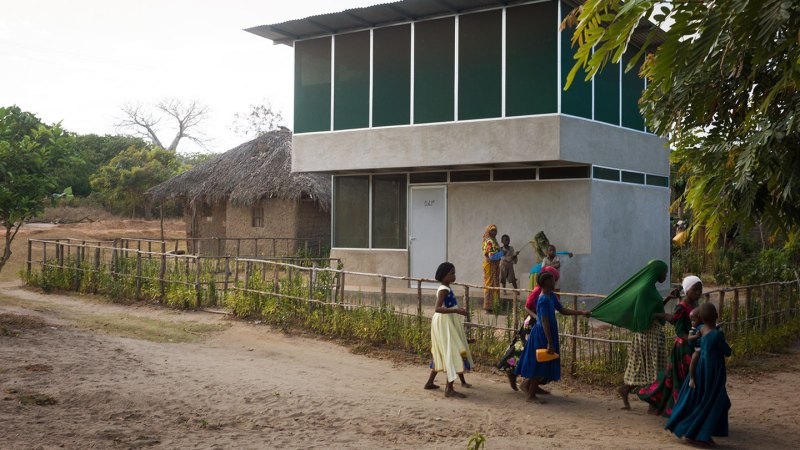
The recent findings on the impact of experimental house designs in Tanzania present a compelling case for the intersection of architecture, public health, and child welfare. By incorporating features such as screens, rainwater harvesting systems, and enhanced ventilation, these houses effectively reduced the incidence of malaria, diarrhea, and various infections among children. This innovative approach not only addresses immediate health concerns but also underscores the significant role that housing conditions play in shaping public health outcomes. As we consider this advancement, it is essential to explore its implications within the broader context of health crises in Africa, especially in light of other pressing issues such as the ongoing challenges posed by outbreaks like Ebola, as discussed in our article, Congo prepared for Ebola. Now a rare strain is exposing gaps in readiness.
The essence of this development lies in the recognition that environmental factors are pivotal in the fight against childhood illnesses. In many African regions, including Tanzania, children are disproportionately affected by diseases that can often be mitigated through improved living conditions. The integration of simple yet effective design elements highlights a proactive strategy in public health — one that aligns with the urgent need for sustainable solutions that can be replicated across various settings. This approach resonates with the findings in our publication concerning early detection of health issues, such as the necessity for Screening all kids for type 1 diabetes can catch more cases early. Both initiatives stress the importance of early intervention and preventive measures, advocating for a shift in how we approach health care in vulnerable communities.
Furthermore, the success of these experimental houses illustrates the potential of interdisciplinary collaboration — combining architecture, public health, and community engagement to create impactful solutions. As we reflect on this model, it becomes evident that similar innovations could be pivotal in addressing other health crises across the continent. For instance, the humanitarian efforts seen in recent events, such as Mexico and Uruguay Send Humanitarian Cargo To Cuba As Fuel And Food Shortages Worsen, highlight the urgent need for sustainable resource distribution systems that can complement health interventions. By fostering a design-thinking mindset, we can better equip communities to combat not just the symptoms, but the root causes of health issues.
As we look ahead, the implications of this study extend beyond Tanzania. It raises critical questions about the scalability of such housing designs in other regions grappling with similar challenges. How can we ensure that these innovations are not isolated but rather integrated into broader health and development strategies? Moreover, as climate change continues to exacerbate health risks, the significance of adaptive housing solutions becomes even more pronounced. This model offers a glimpse of what is possible when we prioritize the health of our most vulnerable populations through thoughtful design and community-driven solutions. Therefore, as stakeholders in the health and development sectors, we must pay close attention to these advancements, advocating for policies and practices that promote healthier living environments for children across Africa and beyond.
Read on the original site
Open the publisher's page for the full experience