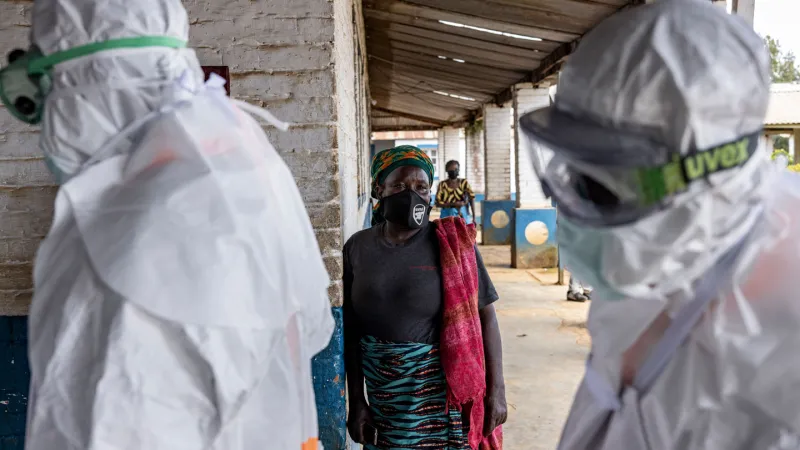
The recent escalation of the Bundibugyo Ebola outbreak in the Democratic Republic of Congo serves as a poignant reminder of the persistent challenges faced by global health systems. As public health responders revert to traditional methods to combat the virus, it highlights critical gaps in readiness and the pressing need for innovative solutions. While strategies such as contact tracing and community engagement have historically shown effectiveness, the reliance on these "old-school" tactics underscores the urgent necessity for new tools and methodologies in disease management. This situation resonates deeply within the context of ongoing global health challenges, echoing themes explored in articles like A global treaty is a huge win for our blue planet, but let’s be real: a signed paper is only the beginning. 🌊 and Screening all kids for type 1 diabetes can catch more cases early, where the effectiveness of proactive strategies is underscored.
The ongoing Bundibugyo outbreak offers an opportunity to reassess our global health frameworks. The reliance on traditional methods in a modern context raises questions about the integration of scientific advancements with established practices. This duality of approach can be both a strength and a vulnerability. On one hand, the familiarity of these methods can foster community trust and compliance, essential elements in controlling outbreaks. On the other hand, the hesitance to embrace innovative technologies—such as real-time data analytics and genomic surveillance—can exacerbate vulnerabilities in public health responses. This gap in readiness is particularly concerning as we face an era of unprecedented global health threats, where emerging diseases can transcend borders in mere hours.
Moreover, the Bundibugyo Ebola outbreak underscores the importance of global collaboration in health emergencies. As researchers and public health officials scramble to identify new tools to combat this strain, it becomes evident that a collective effort is paramount. The interconnectedness of our world demands not only localized responses but also a shared commitment to knowledge exchange and resource allocation. Engaging communities in prevention efforts, as seen in other health initiatives, can be a catalyst for empowering individuals and enhancing resilience. This theme of collaboration is reminiscent of the insights shared in our discussion on Raja Ampat Coral, where understanding local ecosystems was vital for global conservation efforts.
Looking ahead, the situation in Congo raises critical questions about how we can better prepare for future outbreaks. As scientists race to develop new tools, it is essential that we also focus on building robust health infrastructures capable of implementing these innovations effectively. The lessons learned from this outbreak should serve as a catalyst for renewed investment in public health systems worldwide. We must ask ourselves: How can we ensure that both traditional and innovative approaches coexist harmoniously in our ongoing battle against infectious diseases? This inquiry is not merely academic; it is a matter of life and death for communities around the globe. The urgency of addressing these gaps cannot be overstated, as the stakes have never been higher in our fight against emerging health threats.