Frozen squirrel poop hints at sights and smells of Ice Age ecosystems
Our take
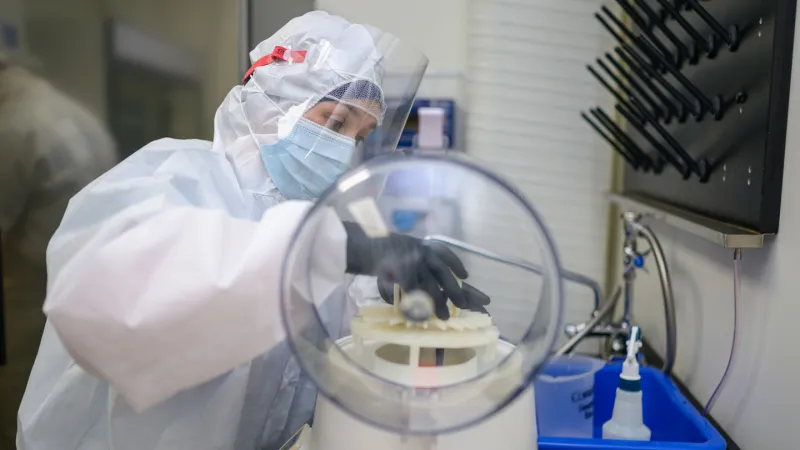
The remarkable preservation of ancient DNA within squirrel scat—frozen fecal matter—offers a compelling new window into past ecosystems, as detailed in a recent study. This innovative approach, analyzing genetic material from Yukon ground squirrel droppings dating back tens of thousands of years, allows scientists to reconstruct dietary habits and identify coexisting species with unprecedented detail. It builds upon the growing field of environmental DNA (eDNA) analysis, which has already proven invaluable in understanding present-day biodiversity, as demonstrated by recent research on elasmobranch distribution in Shinnecock Bay Diversity and distribution assessment of elasmobranchs in a shallow estuarine lagoon using environmental DNA. The novel application here, however, extends the utility of eDNA analysis far beyond contemporary observations, providing a glimpse into ecosystems long vanished. Understanding past environments is crucial for calibrating models predicting future climate change impacts, and this technique provides a unique data point in that calibration process.
The implications extend beyond simply identifying what ancient squirrels ate. The scat DNA reveals a complex network of interactions within the Ice Age ecosystem, uncovering shared habitats and predator-prey relationships. Beyond dietary information—identifying plants and insects consumed—the presence of DNA from other animals, like predators or prey species, paints a more complete picture of the ecosystem’s structure. The ability to extract such information from a readily available, and often overlooked, resource like scat represents a significant methodological advancement. This resonates with the broader drive toward integrated data ecosystems, where even seemingly insignificant traces can yield valuable insights. Considering the ongoing research into the complex interplay of genetics and lifestyle, similar to the findings regarding sleep, exercise, and heart disease Sleep and exercise may dampen genetic drivers of heart disease, we see a pattern of increasingly nuanced understandings emerging from analyzing biological data, regardless of its source. The longitudinal nature of this data—spanning millennia—is particularly valuable for establishing baselines and identifying long-term ecological shifts.
This research contributes to a growing body of evidence highlighting the power of unconventional data sources in ecological studies. Traditional methods, like fossil analyses, can be laborious and provide limited information. While coral reef studies are revealing the effects of climate change on benthic communities Spatial organisation and functional composition of benthic reef assemblages across a depth gradient in western Aldabra Atoll, these squirrel scat findings demonstrate the potential to glean ecological insights from unexpected places. The precision afforded by DNA sequencing allows for a level of detail previously unattainable, enabling researchers to reconstruct past ecosystems with greater accuracy. Validated methodologies like these contribute to the accumulation of empirical data necessary for robust scientific conclusions, a cornerstone of our approach to ocean intelligence and understanding the interconnectedness of global systems. The careful calibration of these techniques and the rigorous peer-reviewed process they undergo are essential to ensuring the integrity and reliability of the findings.
Looking ahead, this innovative approach raises a critical question: What other readily available biological archives can be leveraged to unlock secrets of past ecosystems? The potential for similar analyses using pollen, feathers, or even shed skin cells is immense. As technological capabilities continue to advance, particularly in the realm of DNA sequencing and data analysis, we can anticipate a cascade of new discoveries that will transform our understanding of Earth’s history and inform our strategies for safeguarding its future. The promise of real-time insights, derived from analyzing ecological traces across time, holds the key to informed ocean stewardship and a deeper appreciation for the planet's complex and dynamic systems.
Read on the original site
Open the publisher's page for the full experience