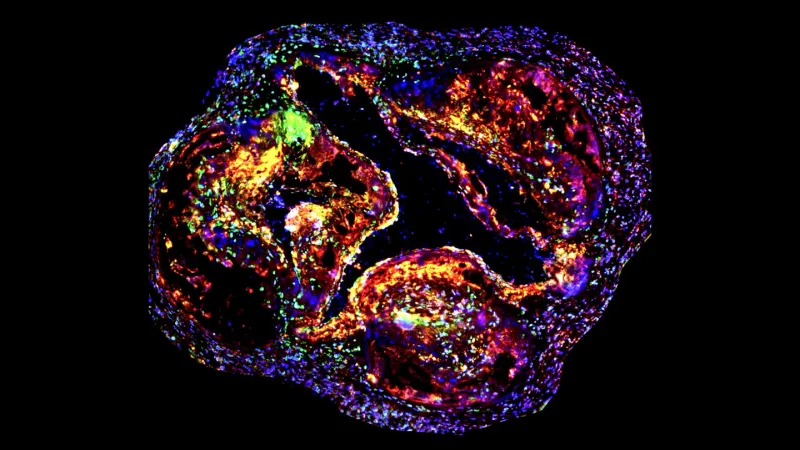
The recent findings suggesting that lifestyle interventions like sleep and exercise can mitigate the genetic mutations driving atherosclerosis present a compelling, and cautiously optimistic, development in cardiovascular health research. The study, utilizing mouse models, demonstrates that immune cells accumulate DNA errors over time which contribute to the progression of this disease, a leading cause of mortality globally. The potential to counteract these genetic shifts through modifiable lifestyle factors moves beyond traditional risk factor management—diet and cholesterol control—and suggests a fundamentally different avenue for preventative strategies. This aligns with a growing understanding of the interplay between genetics, environment, and cellular function, an area we’ve explored previously in our coverage of Benthic communities of DeepInsight Hill, Mohn’s Ridge (Arctic Ocean), illustrating the complex biological responses to environmental pressures. The implications extend beyond individual health, potentially impacting healthcare systems and policies focused on preventative care.
What's particularly significant is the focus on the cellular level. Atherosclerosis has long been understood as a consequence of plaque buildup in arteries, but this research delves into the underlying genetic mechanisms fueling that process. The fact that these mutations occur in immune cells highlights a critical, and perhaps previously underestimated, role for the immune system in cardiovascular disease. This perspective dovetails with ongoing research into the impact of environmental factors on immune system function, such as the challenges presented by maritime transport and its emissions, as explored in AIS-driven vessel activity and emissions modelling for offshore decommissioning activities in the North Sea. Understanding how environmental stressors affect immune cell DNA integrity is crucial for developing targeted interventions. The use of mouse models, while providing valuable initial data, underscores the need for rigorous validation in human studies to confirm these findings and elucidate the precise mechanisms involved. Further research should investigate the specific genetic vulnerabilities that emerge over time and whether these are consistent across different populations and genetic backgrounds.
The observed benefit from sleep and exercise suggests a potential pathway for epigenetic modulation—changes in gene expression without alterations to the underlying DNA sequence. These lifestyle factors are known to influence a range of biological processes, including inflammation, oxidative stress, and DNA repair mechanisms. It’s plausible that these interventions enhance the cell’s ability to correct or mitigate the effects of these mutations, essentially providing a “buffer” against genetic damage. The study’s methodology, while demonstrating a clear effect, also invites questions about the optimal intensity and duration of exercise, and the specific stages of sleep that are most beneficial. Considering the interconnectedness of marine ecosystems, and the complexities of species interactions, as revealed in our documentation of Documentation of remora (Remora remora) attachment to a nesting olive ridley sea turtle (Lepidochelys olivacea) in Playa Pejeperro, Costa Rica, it’s reasonable to expect that human health, too, is influenced by a complex interplay of factors.
Ultimately, this research represents a significant step towards a more nuanced understanding of cardiovascular disease and opens up exciting new avenues for prevention. The ability to potentially influence the genetic trajectory of disease through lifestyle choices holds immense promise. Looking ahead, the focus will likely shift to identifying biomarkers that can predict individual susceptibility to these genetic mutations and to developing personalized interventions tailored to specific genetic profiles. A critical question will be whether these findings can be translated into effective, accessible, and sustainable public health strategies, and what role real-time, integrated data ecosystems can play in monitoring and optimizing these interventions on a global scale.