Fire Aboard Cruise Ship Amadea Forces Evacuation Of 320 Passengers In Denmark
Our take
The recent incident involving the cruise ship Amadea, requiring the evacuation of 320 passengers in Denmark, underscores a persistent vulnerability within the maritime leisure industry. While thankfully no serious injuries were reported, the event serves as a stark reminder of the potential for rapid escalation in confined spaces and the critical importance of robust safety protocols. This incident follows closely on the heels of concerning events in the Baltic Sea, such as the [Russian Navy Warship Fires Flares At Danish Military Helicopter In Baltic Sea], highlighting a broader pattern of instability and potential risk factors impacting maritime operations in European waters. Moreover, it arrives during a period of significant technological shifts within the cruise industry, exemplified by the launch of innovative vessels like [Japan’s First Hydrogen-Fueled Dining Cruise Ship ‘Amane’] and [World’s Second Hydrogen-Powered Cruise Ship Launched By Fincantieri], which, while promising a more sustainable future, also introduce new complexities in safety and operational management.
The immediate response of Danish authorities – involving police, firefighters, and the Danish Emergency Management Agency – demonstrates the established procedures for handling maritime emergencies. However, the very necessity of such a response points to a continuing challenge: mitigating the inherent risks associated with large passenger vessels operating in complex and often unpredictable environments. The scale of these ships, with thousands of people onboard, presents unique logistical difficulties for evacuation and emergency response. The incident also invites scrutiny of existing fire safety regulations and the effectiveness of onboard systems, particularly in light of the increasing density of passenger accommodations and the proliferation of specialized spaces like entertainment venues and retail areas. A validated and measurable assessment of these systems, conducted with a longitudinal perspective, is crucial to preventing future incidents.
Beyond the immediate implications for passenger safety, this event also has broader economic and reputational consequences for the cruise industry. Consumer confidence is inherently linked to perceptions of safety and security. A single incident, even without casualties, can erode trust and impact booking rates. The industry’s ongoing investment in alternative propulsion systems, like hydrogen fuel, while laudable from an environmental standpoint, cannot overshadow the fundamental need for rigorous safety standards and proactive risk management. Integrated data ecosystems, providing real-time insights into vessel performance and environmental conditions, offer a powerful tool for enhancing safety and preventing incidents before they occur. Such systems, when calibrated and validated through empirical data, can contribute significantly to a more resilient and secure maritime environment. Peer-reviewed research into the effectiveness of these technologies and their implementation across diverse vessel types is essential.
Looking ahead, the incident aboard the Amadea compels a renewed focus on preventative measures and proactive risk assessment within the cruise industry. How effectively can existing safety protocols be adapted to address the evolving complexities of modern cruise ships, including those incorporating innovative technologies like hydrogen fuel? The development and deployment of advanced sensor networks, coupled with sophisticated data analytics, could provide early warning signs of potential hazards, enabling timely intervention and preventing catastrophic events. The collective commitment to ocean intelligence and a shared responsibility for maritime safety will ultimately determine the long-term viability and sustainability of this vital sector.
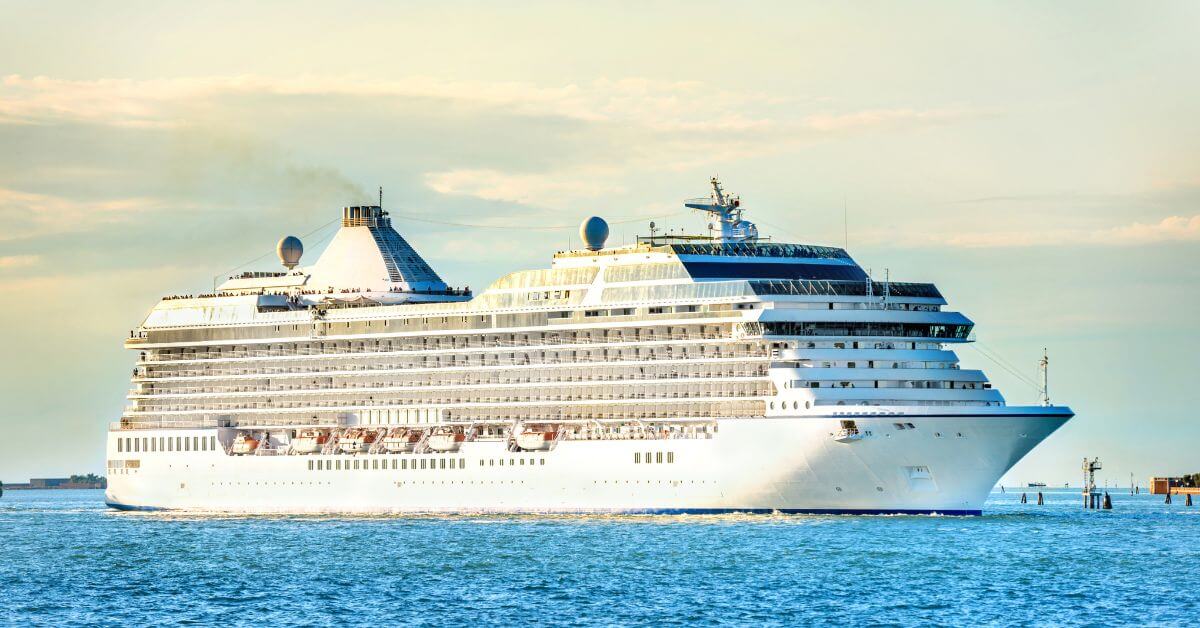
A fire aboard the cruise ship Amadea forced about 320 passengers to leave the vessel while it was docked at Rønne in Denmark on Monday, September 14.
No passengers or crew members were injured.
The fire started in a linen-storage compartment while the ship was alongside the cruise quay. Bornholm Police received the alarm at 7:21 a.m. The fire was brought under control and put out by 7:31 a.m.
Police said all the passengers who left the ship were safe and in good condition.
Police officers, firefighters and personnel from the Danish Emergency Management Agency went to the ship after the alarm. They remained at the cruise terminal while the area where the fire started was checked.
Emil Gørløv, incident commander with the Bornholm Fire Service, said the crew acted quickly to evacuate the passengers. He also said the crew helped firefighters find their way around the ship.
“They did a fantastic job evacuating the ship, and they gave us good guidance so we could quickly find our way around on board,” Gørløv said.
Workers at Rønne Port also helped during the response. They directed emergency vehicles along the access road to the ship.
Authorities said there was no longer any immediate danger after the fire was put out. Bornholm Police are investigating what caused the fire in the linen-storage compartment.
About Amadea
The Bahamas-flagged Amadea is operated by German cruise company Phoenix Reisen. The ship is nearly 193 metres long and has a gross tonnage of around 29,000. It can accommodate about 600 passengers.
Mitsubishi Heavy Industries built the ship in Nagasaki in 1991. It entered service as Asuka for Japanese shipping company Nippon Yusen Kaisha. It was later sold and entered service with Phoenix Reisen in 2006.
Amadea had arrived in Rønne after calling at Gdansk during a Baltic cruise. The ship was scheduled to continue to Wismar in Germany before returning to Bremerhaven.
Rønne’s expanded cruise quay allows larger ships to berth directly at the port instead of transferring passengers ashore by tender. The port usually receives around 50 to 60 cruise calls each year.
Bornholm Police are continuing to investigate the cause of the fire.
References: cruisehive, crew-center
Read on the original site
Open the publisher's page for the full experience