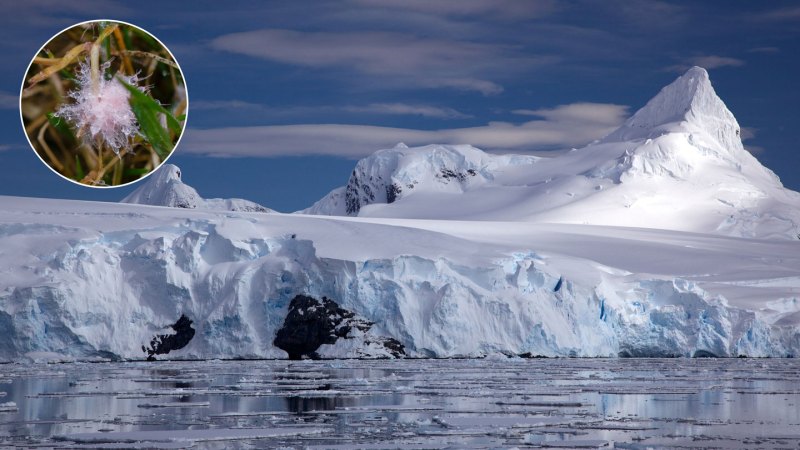
The alarming findings regarding the increase in plant fungal pathogens due to warming soils in Antarctica underscore a critical aspect of climate change that extends beyond immediate temperature rises. A recent study revealed that soil DNA from regions stretching from Chile to the Antarctic Peninsula indicates a direct connection between warming climates and a doubled abundance of fungal threats to plant life by the year 2100. This development is not merely an isolated ecological concern; it reflects broader implications for biodiversity, ecosystems, and global climate resilience. Understanding these dynamics is essential as we strive to protect vulnerable ecosystems, particularly those in extreme environments like Antarctica.
The implications of this research resonate with the findings reported in our piece, Antarctic glacier collapses at record speed as Hektoria retreats 15 miles in just 15 months. Just as the rapid retreat of glaciers signals a troubling acceleration of climate change, the emergence of more aggressive fungal pathogens poses a dual threat: it endangers plant health and disrupts the delicate balance of these ecosystems. Fungi play a vital role in nutrient cycling and plant health; an increase in pathogens could lead to cascading effects throughout the food web, impacting not only flora but also fauna that depend on these plants for sustenance.
Moreover, the study's findings draw parallels with other areas of scientific inquiry, particularly in the realm of molecular biology, where studies like Damaged DNA can spread between human cells. What could that mean for cancer? highlight the complexities of DNA interactions and their implications for health and disease. Just as intercellular dynamics can influence human health, the genetic interactions within soil ecosystems are equally intricate. The proliferation of fungal pathogens could disrupt the genetic and ecological stability of Antarctic plant communities, leading to unforeseen consequences for the broader environment.
In a broader context, these findings emphasize the urgent need for a global collaborative response to climate change and its multifaceted impacts. As we witness these changes unfold, it becomes increasingly evident that ocean health and terrestrial ecosystems are deeply interconnected. The implications of soil temperature changes extend beyond the Antarctic Peninsula; they serve as a harbinger for global ecosystems facing similar threats. The urgency of fostering an integrated data ecosystem that monitors climate indicators and pathogen spread is paramount for effective stewardship of our planet’s resources.
As we reflect on these developments, we must ask ourselves: how do we prepare for the repercussions of increased fungal pathogens in fragile ecosystems? The projected doubling of these threats by 2100 demands proactive measures, including research into resilience strategies for both plant health and ecosystem management. The time for action is now, as we collaborate across disciplines and borders, fostering a deeper understanding of these complexities. The future of our planet may depend on our ability to address these interconnected challenges with scientific rigor and a commitment to shared responsibility for the health of our oceans and lands alike.