A vaccine for Lyme disease could be on the horizon
Our take
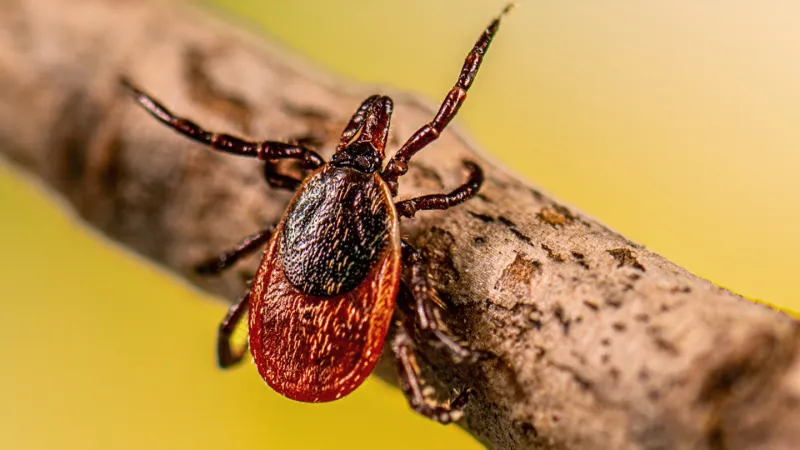
The recent advancement in developing a vaccine for Lyme disease is a notable milestone in the ongoing battle against tick-borne illnesses. As the candidate reaches a stage further than any vaccine since the last one was withdrawn in 2002, it highlights not only scientific progress but also the pressing need for effective preventive measures in the face of rising incidences of Lyme disease in various regions. The urgency of this development resonates with ongoing discussions in the broader scientific community, especially considering the challenges presented by other emerging diseases, as evidenced by articles like Hantavirus questions grow in the wake of a cruise ship outbreak and studies on animal behavior that inform public health strategies, such as Female rats like a different kind of tickling than males.
The significance of this Lyme disease vaccine candidate extends beyond its immediate medical implications. With Lyme disease being one of the most prevalent vector-borne diseases in North America and Europe, the development of a vaccine offers a potential solution to a growing public health concern. The increasing incidence of Lyme disease reflects a complex interplay of environmental changes, such as climate change, that are reshaping ecosystems and altering tick populations. This context underscores the importance of interdisciplinary research that combines immunology, ecology, and data analytics to understand the dynamics of disease transmission. As we delve into the depths of these interconnected issues, we see a reflection of the challenges posed by other climate-related concerns, such as those documented in our article on how the ocean serves as a repository for climate indicators.
Moreover, the journey toward a vaccine is a testament to the resilience of the scientific community. The previous vaccine's withdrawal was primarily due to safety concerns and public hesitance, which underscores the need for transparent communication and comprehensive testing in vaccine development. As researchers explore alternative methods to block Lyme infection, such as targeting the tick's salivary proteins or employing innovative delivery mechanisms, the landscape of vaccine science is evolving. This evolution is vital not only for combating Lyme disease but also for future endeavors against emerging infectious diseases. As we have witnessed with the COVID-19 pandemic, the ability to rapidly develop and deploy effective vaccines is crucial in safeguarding public health.
Looking ahead, the potential approval and distribution of a Lyme disease vaccine could significantly alter the preventive landscape for tick-borne diseases. However, it also raises important questions: How will public perception shift in response to this new vaccine? Will it lead to increased awareness and proactive measures against tick exposure? As we continue to monitor the progress of this vaccine candidate, it is essential to foster public understanding and trust in vaccination as a vital tool for health protection. The implications of this vaccine stretch far beyond individual health, touching on broader themes of community resilience, environmental stewardship, and the collaborative efforts required to address the complexities of infectious diseases in a changing world.
The path forward presents both opportunities and challenges, and it will be fascinating to observe how this vaccine candidate evolves and what it ultimately means for public health initiatives. Will it serve as a catalyst for more comprehensive approaches to tick-borne disease prevention? Only time will tell, but the scientific community's commitment to innovation and collaboration remains a beacon of hope in these efforts.
Read on the original site
Open the publisher's page for the full experience