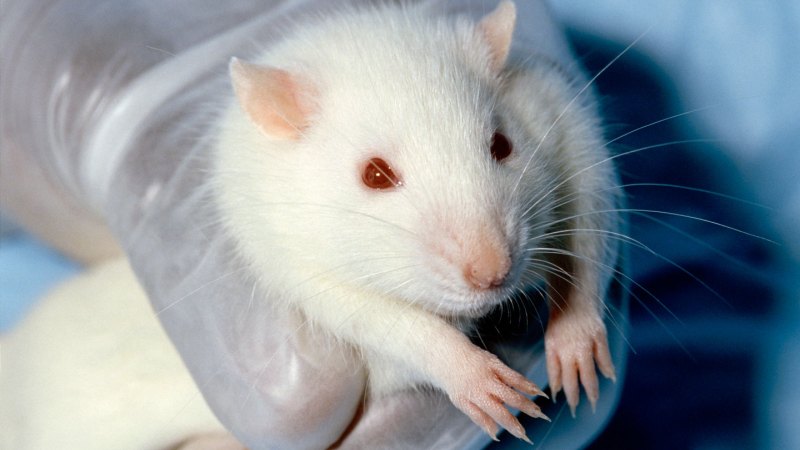
The recent discovery that female rats prefer gentler tickling than their male counterparts offers intriguing insights into the nuances of animal behavior and welfare. This finding not only enhances our understanding of rat social interactions but may also reshape how we approach the study of animal happiness and well-being. As scientific research continues to explore the emotional lives of animals, this study highlights the importance of considering gender differences in behavioral responses, a factor that could extend beyond rodents to other species, including those inhabiting our oceans.
Understanding the preferences of female rats for gentler interactions is critical for animal welfare research. It calls into question traditional methods of assessing happiness and stress in animals, which may not have adequately accounted for such distinctions. This is particularly relevant as we explore the emotional and psychological states of various species, including those in marine environments. For instance, studies like Beneath the waves, the ocean holds a hidden record of our planet’s changing climate. Most of the Earth's excess heat is ... emphasize the significance of understanding animal behavior in the context of environmental changes, where stressors can affect not just individual animals but entire ecosystems.
Moreover, as we continue to examine the impacts of human activities on marine life, understanding species-specific behavioral responses becomes increasingly urgent. For example, the findings from the article “Moving beyond controversy: is the chub mackerel (Scomber japonicus) stock recovering?” (/post/moving-beyond-controversy-is-the-chub-mackerel-scomber-japon-cmp534p1t05cbp2q5zsj3gb23) illustrate the complexities of managing fish populations while considering their welfare. Such efforts are crucial as we strive for sustainable practices that respect the natural behaviors and preferences of these creatures.
The implications of the rat study extend beyond the laboratory, urging researchers and policymakers to adopt a more refined approach to animal welfare across various species. Understanding that different genders may experience and express preferences diversely can lead to more effective conservation strategies and management practices. This is especially relevant as we face pressing global challenges tied to biodiversity loss and climate change, where animal welfare plays a vital role in the health of ecosystems.
As we look to the future of animal welfare research, the question remains: how can we further integrate these insights into broader conservation efforts? With climate change continuing to impact habitats and species interactions, it is essential that we foster a more nuanced understanding of animal behavior. By doing so, we can promote happier, healthier populations, whether they swim in our oceans or scurry across the ground. This evolving perspective not only enhances our scientific knowledge but also underscores our shared responsibility in the stewardship of all living beings on this planet.