A Greenland explorer will eat only decaying seal for a month
Our take
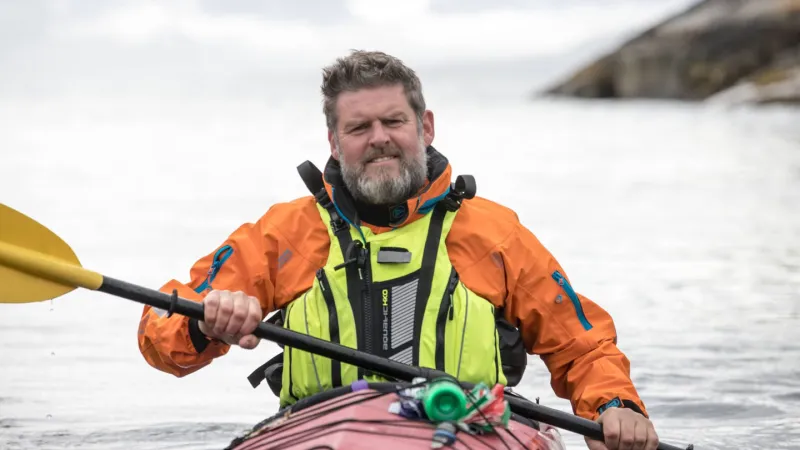
The recent expedition led by British chef Mike Keen, where he will ski across Greenland subsisting solely on fermented seal, opens up an intriguing dialogue about dietary practices and their implications for human health. This unique undertaking is not merely a culinary adventure; it aims to provide researchers with valuable insights into how traditional Inuit diets shape gut health. The significance of this endeavor is amplified when we consider the broader context of indigenous diets and their adaptability in the face of changing environmental conditions. As climate change continues to affect food sources and traditional lifestyles, examining how ancient dietary practices can inform modern nutritional science becomes increasingly vital.
Keen's approach echoes the findings of recent studies, such as the one that traced the evolutionary development of the crab's iconic sideways walk to a single ancestor, suggesting that unique adaptations can stem from specific environmental interactions. Similarly, the Inuit diet, which has evolved over millennia, offers a compelling case study in resilience and health. By focusing on fermented seal, a food that has sustained Arctic communities, Keen’s expedition aligns with efforts to understand how traditional nutritional practices might foster gut microbiome diversity and overall health. This is particularly relevant given the rising interest in how diet influences health outcomes, especially in rapidly changing climates.
Moreover, this expedition raises questions about the intersection of culture, health, and sustainability. As we see in other regions, such as with the recent reports of maritime safety challenges described in 11 Seafarers Killed, 38 Ship Attacks Reported As 20,000 Crew Attacks in Strait Of Hormuz: UN, the implications of environmental shifts extend beyond mere health concerns. They encompass the safety and security of communities reliant on the ocean for sustenance and livelihood. Keen's commitment to exploring the Inuit diet can thus be seen as part of a larger narrative about maintaining cultural practices that are not only nutritious but also ecologically sustainable in the long term.
The implications of Keen’s expedition extend into the realm of scientific inquiry about the human body’s adaptability to various diets, especially those rich in fermented foods. Research is increasingly revealing the link between gut health and overall well-being, and the fermented seal may serve as a case study in the health benefits of traditional preservation methods. This undertaking prompts us to reflect on the value of integrated data ecosystems that could analyze dietary patterns across cultures, much like the Giant “stealth” magma surge triggered thousands of earthquakes beneath Atlantic island study elucidates geological phenomena that impact environmental health.
As we look to the future, Keen's expedition is a reminder of the interconnectedness of our health, culture, and environment. It challenges us to consider how traditional practices can inform modern dietary recommendations and health policies, especially as we face unprecedented global changes. What insights might emerge from this exploration that could not only benefit indigenous communities but also offer guidance for sustainable practices worldwide? This expedition could pave the way for a renewed appreciation of the vital knowledge embedded in traditional diets and their role in promoting both individual and planetary health.
Read on the original site
Open the publisher's page for the full experience