wheat
wheat at World Data Ocean is a file of 8 stories. The newest of them: “Ukraine Supports India’s Initiative for Black Sea Shipping Routes”, “Shifting Cargo: Russian Terminals Adapt for Grain Export Surge”, and “Attacks Target Key Ukrainian Black Sea Port Infrastructure.”. Ukraine's consideration of India's proposal to restore safe navigation in the Black Sea signals a practical step toward maritime stability. The Baltic and Arctic terminals that once moved fertiliser and coal are now turning to grain, a pragmatic response to shifting export demands. A Global Hub for Ocean Intelligence 4 World Data Ocean is a centralized digital platform where researchers, scientists, and ocean enthusiasts converge to… The list below is every wheat story on World Data Ocean, newest first.
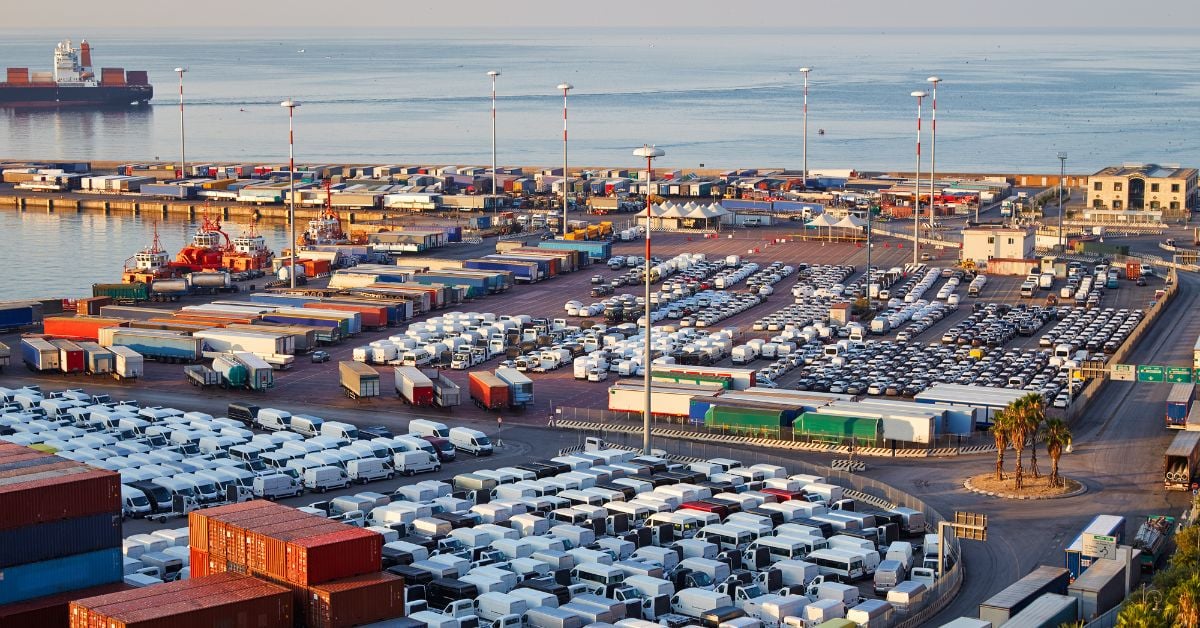
Ukraine Supports India’s Initiative for Black Sea Shipping Routes
Ukraine's consideration of India's proposal to restore safe navigation in the Black Sea signals a practical step toward maritime stability. Reopening these routes is not merely a regional matter; it supports global supply chains and the exchange of ocean intelligence. The move reflects measured diplomacy, grounded in shared interests rather than rhetoric. For readers tracking how nations recalibrate maritime strategy, our related coverage on integrated subsea cables across the Indian Ocean offers useful context on how connectivity and shipping increasingly intersect.
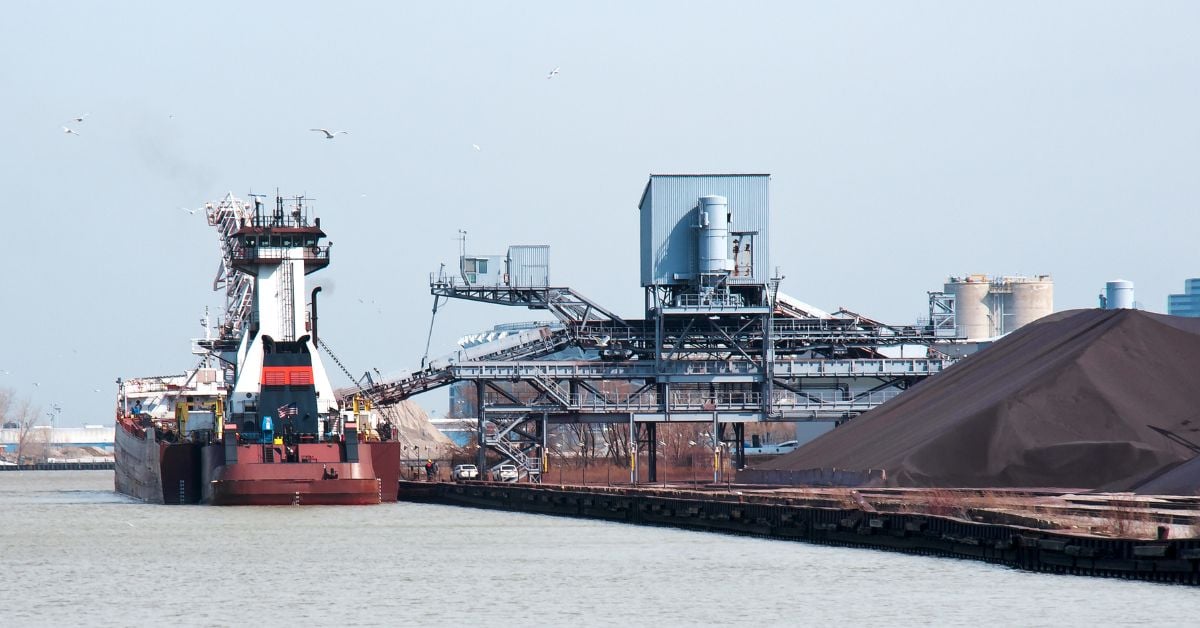
Shifting Cargo: Russian Terminals Adapt for Grain Export Surge
The Baltic and Arctic terminals that once moved fertiliser and coal are now turning to grain, a pragmatic response to shifting export demands. It is a quiet recalibration of infrastructure, and one that speaks to how quickly trade flows can redirect. Russia is adapting its logistics to stay competitive, and that flexibility is worth watching. For broader context on how export routes are evolving, our piece on Russia Calibrates Export Revenue for the Northern Sea Route Icebreaker Fleet offers a useful parallel.

Attacks Target Key Ukrainian Black Sea Port Infrastructure.
Russia's latest strikes on Ukrainian Black Sea port infrastructure, including Pivdennyi and Odesa, along with fuel storage at Chornomorsk, underscore a deliberate strategy to disrupt maritime export capacity. These are not incidental hits; they are calibrated pressure on a critical economic artery. The pattern echoes broader efforts to constrain Ukraine's access to global markets, as seen in our related piece, "Russia Calibrates Export Revenue for Northern Sea Route Icebreaker Fleet." For now, the resilience of these ports remains the counterweight to Moscow's campaign.

Cook Dies After Second Attack on Ship Responding to Black Sea Incident
The death of Ilker Lazoglu, the 47-year-old head cook aboard the San Marino-flagged cargo ship Necibe, marks a grim escalation in the Black Sea conflict. Struck while loading wheat off Tuapse, the vessel became the site of a second attack, underscoring the mounting risks to civilian mariners navigating these waters. This is not a distant statistic; it is a tangible human cost.

Black Sea Grain Shipments Limited as Truce Proposal Fails.
The Black Sea Grain Shipments Limited's collapse, following the failed truce, leaves Ukraine's agricultural lifeline critically constrained. Since August, only 500,000 tonnes have moved, a mere fifth of what could ship. This is not a stalemate; it is a calibrated strangulation. The measured volume signals deliberate pressure, not logistical failure. While Russia calibrates its own maritime leverage elsewhere, as our piece on Northern Sea Route icebreaker funding shows, the immediate cost here is global food security.

Fatal Strike on Wheat Carrier Highlights Black Sea Shipping Risks
The attack on the Guinea-Bissau-flagged bulker carrying Ukrainian wheat marks a fatal escalation, killing one crew member and underscoring the mounting dangers in Black Sea shipping lanes. This is not a distant geopolitical abstraction; it is a direct threat to maritime safety and global food security. The loss of life demands accountability, and the risks to commercial vessels are now impossible to ignore. For deeper context on Russia's broader maritime tactics, see our related piece on Russian drone operations in the Mediterranean.

Sea of Azov: Armed Grain Ships Raise Export and Security Concerns.
The Sea of Azov now anchors a fraught equation: roughly one-quarter of Russia's grain exports move through its waters, and armed ships have turned that volume into a security flashpoint. When the world's largest wheat exporter militarizes a vital corridor, the stakes extend beyond cargo manifests. This is not abstract geopolitics; it is measurable pressure on global food flows. For deeper context on how Russia is recalibrating its maritime strategy elsewhere, our related piece on Arctic icebreaker funding offers a useful counterpoint.

Disrupted Shipping Impacts Ukraine’s Vital Agricultural Exports.
The disruption of Ukraine's agricultural exports cuts to the heart of its wartime economy. These shipments are not merely cargo; they are a vital source of hard currency sustaining the nation through conflict that has raged since 2022. Every delayed vessel compounds the pressure. This is a measurable cost in a war defined by economic endurance. For deeper context on Russia's broader maritime strategy, our related report, "Russia Calibrates Export Revenue for Northern Sea Route Icebreaker Fleet," offers useful perspective.