Transport Ministry
Transport Ministry at World Data Ocean is a file of 3 stories. The newest of them: “Black Sea incident raises urgent questions on maritime safety and climate risk”, “Attack on Cargo Ship Near Yemen Claims 6 Lives, Injures 10”, and “Shipping Restricted at Novorossiysk Amid Increased Security Measures.”. A fire aboard a Liberian-flagged oil tanker off Sochi this week is more than a maritime incident, it is a measurable climate indicator. A second strike on the cargo ship Tihamah near Yemen has killed six people and injured ten, with four crew members dying in the initial attack and two rescuers killed in a subsequent hit. A Global Hub for Ocean Intelligence 4 World Data Ocean is a centralized digital platform where researchers, scientists, and ocean enthusiasts converge to… The list below is every Transport Ministry story on World Data Ocean, newest first.
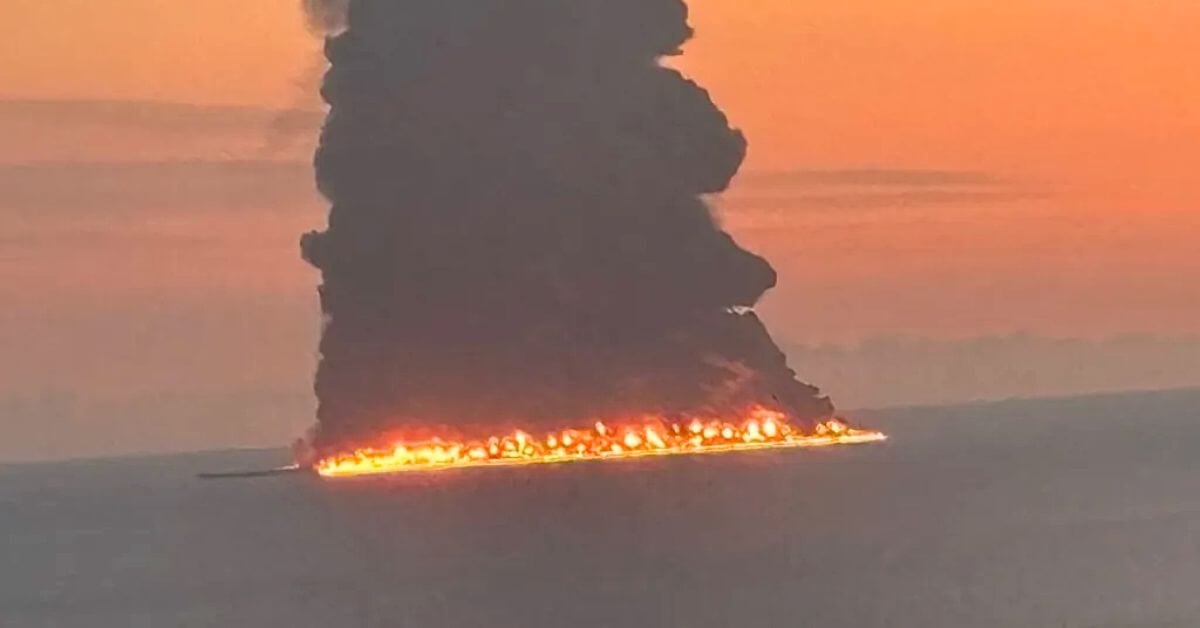
Black Sea incident raises urgent questions on maritime safety and climate risk
A fire aboard a Liberian-flagged oil tanker off Sochi this week is more than a maritime incident, it is a measurable climate indicator. Twenty-three Indian crew members faced immediate danger in the Black Sea, a region already strained by geopolitical tensions and environmental stress. We connect this event to our coverage of the *Two Killed as Corn Freighter Sinks in Black Sea After Drone Strike*, reinforcing that safety at sea now requires integrated risk assessment. Validated data, not alarm, must guide our response.

Attack on Cargo Ship Near Yemen Claims 6 Lives, Injures 10
A second strike on the cargo ship Tihamah near Yemen has killed six people and injured ten, with four crew members dying in the initial attack and two rescuers killed in a subsequent hit. These are not abstract numbers; they are lives lost in a volatile corridor. The incident underscores how fragile maritime security remains in the region, a reality that demands rigorous, data-driven monitoring.

Shipping Restricted at Novorossiysk Amid Increased Security Measures.
Novorossiysk, the conduit for up to one-third of Russia's grain exports, now faces shipping restrictions amid tightened security measures. The port's role is set to expand as it absorbs cargo diverted from the Sea of Azov, concentrating risk where logistics already run dense. This is a calibrated response to a volatile moment, not a panic. For context on how Moscow is reordering its maritime economics, our related piece on Russia's icebreaker export revenue offers a useful counterpoint.