system architecture
3 stories filed under system architecture on World Data Ocean. The newest of them: “Validating artificial upwelling as a measurable tool for ocean resilience”, “Advancing LNG Shipping: Hybrid Designs for Enhanced Efficiency and Sustainability”, and “Advancing Tuna Fisheries Monitoring Through Electronic Data Ecosystems”. Artificial upwelling has long promised to cool surface waters and boost fisheries, but its real-world deployment has been stalled by energy-hungry pumps and offshore infrastructure. Hybrid electric propulsion is moving LNG carriers beyond incremental gains. A Global Hub for Ocean Intelligence 4 World Data Ocean is a centralized digital platform where researchers, scientists, and ocean enthusiasts converge to… The list below is every system architecture story on World Data Ocean, newest first.

Validating artificial upwelling as a measurable tool for ocean resilience
Artificial upwelling has long promised to cool surface waters and boost fisheries, but its real-world deployment has been stalled by energy-hungry pumps and offshore infrastructure. OCEAN KARIZ changes that. Inspired by Oman's millennia-old Dhofar phenomenon, this framework uses a submerged coastal terminal and a mother pipe to hydraulically draw deep water ashore, no direct pumping required. It is controlled, extendable, and measurable. For deeper context on measurable shifts in ocean systems, see our related coverage of long-term chlorophyll records in Kuwait Bay.
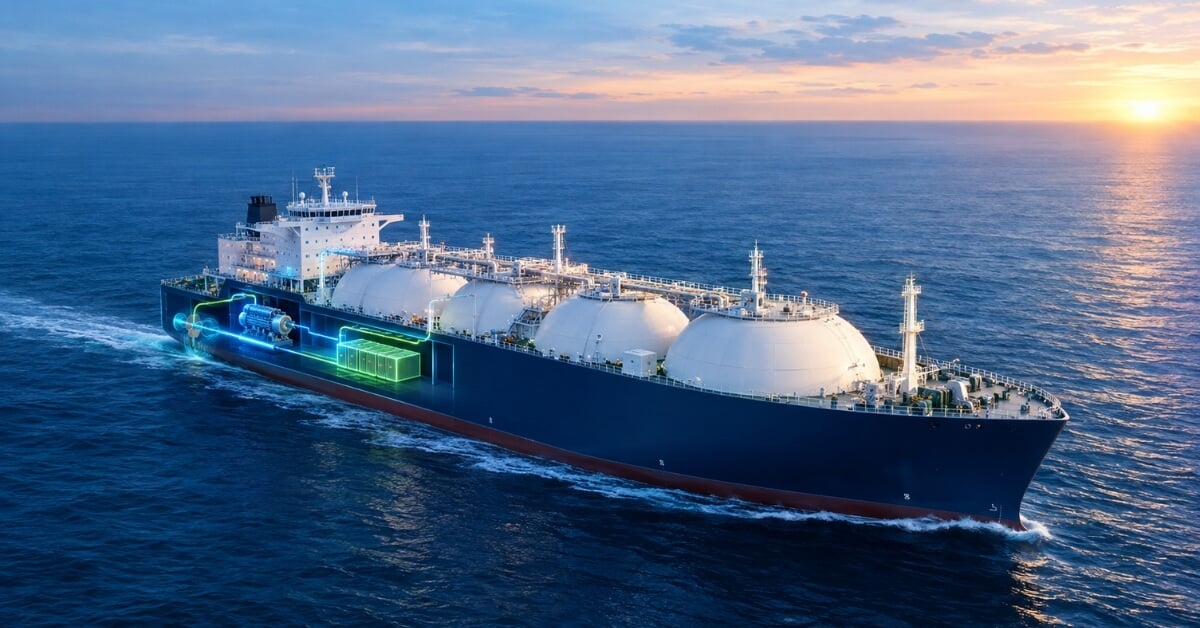
Advancing LNG Shipping: Hybrid Designs for Enhanced Efficiency and Sustainability
Hybrid electric propulsion is moving LNG carriers beyond incremental gains. Lloyd's Register, with HD KSOE and HD Hyundai Heavy Industries, is targeting a new generation of designs where efficiency and sustainability converge. This collaboration treats vessel architecture as an integrated system, not a sum of parts. For those tracking how maritime innovation addresses climate indicators, this is a measured, empirical step forward.
Advancing Tuna Fisheries Monitoring Through Electronic Data Ecosystems
Electronic monitoring systems are no longer optional for tuna longline fisheries; they are becoming the backbone of credible, real-time ocean intelligence. This systematic review cuts through the noise, examining how hardware, algorithms, and system architectures are converging to solve persistent gaps in human observer coverage and data timeliness. The comparative analysis across the EU, North America, Pacific Island countries, and China is particularly telling.