ship operators
World Data Ocean keeps ship operators in one place: 4 stories so far. The section currently leads with “Seafarer Welfare: Integrated Data Reveals Persistent Gaps, Urges Accountability”, “Enhanced Maritime Safety: India's New System Monitors High-Risk Regions”, and “Red Sea Attack Highlights Risks to Maritime Trade and Seafarer Safety”. Five years after the Seafarers' Rights Code set sail, the data is clear: progress remains uneven. India's Directorate has issued a direct mandate: every vessel carrying Indian crew in designated high-risk regions must be registered in the new monitoring system without delay. A Global Hub for Ocean Intelligence 4 World Data Ocean is a centralized digital platform where researchers, scientists, and ocean enthusiasts converge to… The list below is every ship operators story on World Data Ocean, newest first.
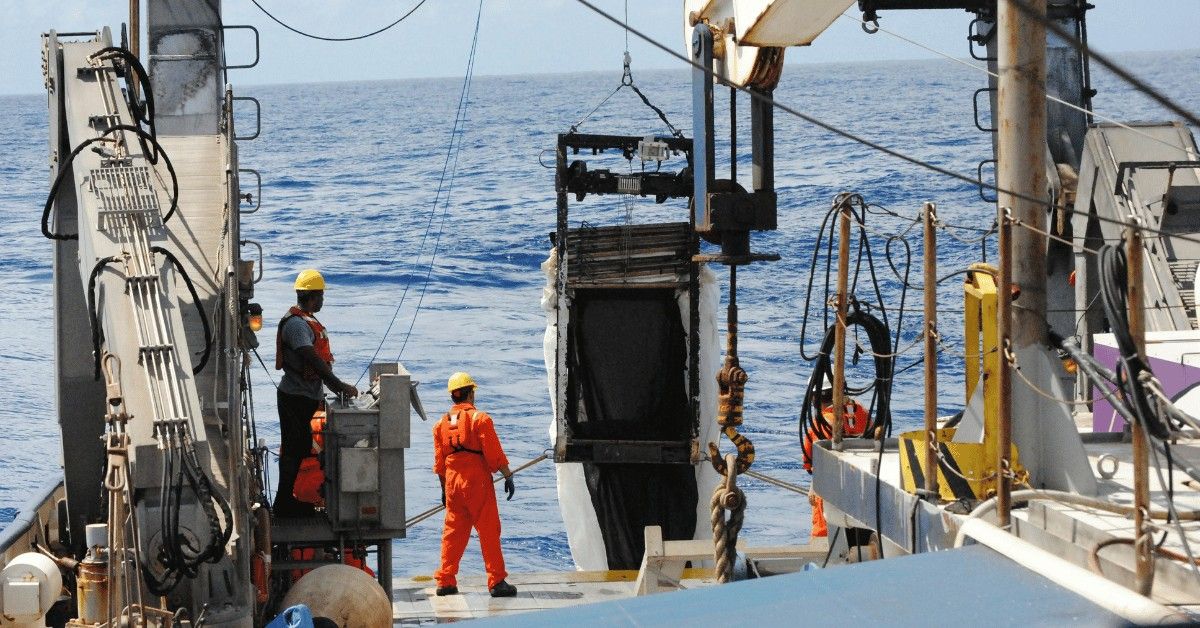
Seafarer Welfare: Integrated Data Reveals Persistent Gaps, Urges Accountability
Five years after the Seafarers' Rights Code set sail, the data is clear: progress remains uneven. While the framework has driven measurable improvements, persistent gaps in pay, crewing, and wellbeing show that accountability is still catching up to intent. That is not a failure of the code; it is a call to calibrate its implementation. For context on how maritime infrastructure is evolving, our coverage of Cochin Shipyard's design expansion offers a useful parallel. Seafarers deserve more than promises; they need validated, integrated action.
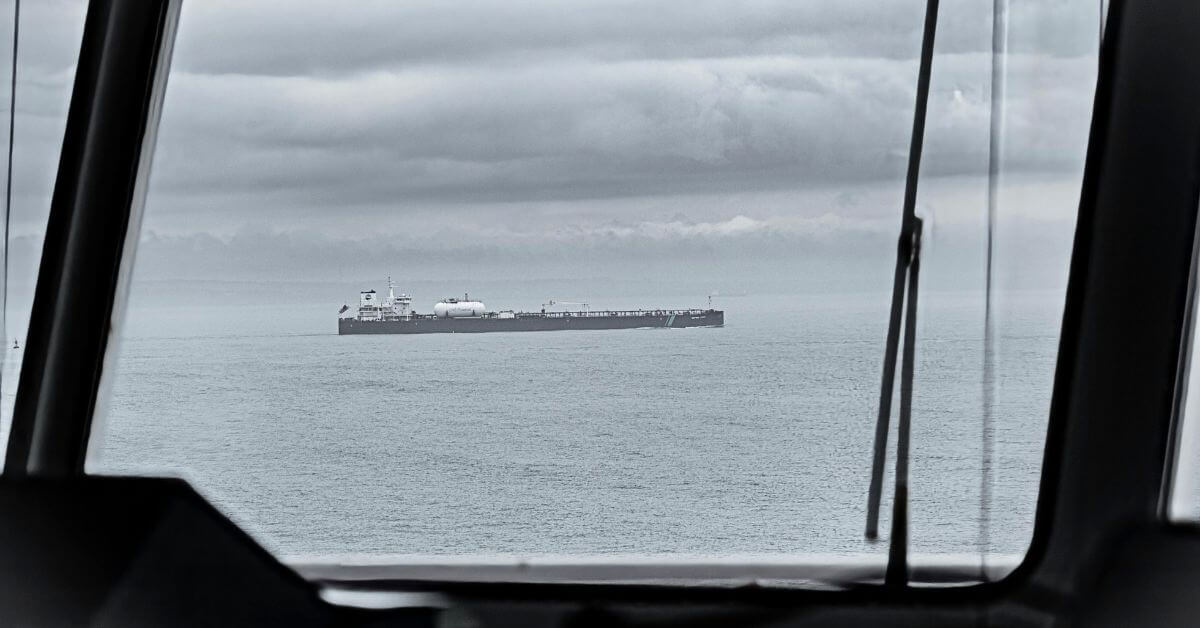
Enhanced Maritime Safety: India's New System Monitors High-Risk Regions
India's Directorate has issued a direct mandate: every vessel carrying Indian crew in designated high-risk regions must be registered in the new monitoring system without delay. That is not bureaucratic noise; it is a calibrated safety net. The move follows intense pressure on maritime routes, from Gulf of Oman STS transfers maxing out to pirate interventions off Somalia. This system is about prevention, not reaction. For crews operating where risk is highest, this is validation that their safety is measurable and prioritized.

Red Sea Attack Highlights Risks to Maritime Trade and Seafarer Safety
The latest attack in the Red Sea and Gulf of Aden is a pointed reminder that maritime trade routes remain dangerously exposed. As Mr. Arsenio Dominguez noted, the location is particularly troubling, and we agree. These waters are not abstract lines on a chart; they are arteries for global commerce, and each incident endangers lives and supply chains. This follows the Gulf of Oman STS transfers maxing out, a clear signal of mounting pressure. The pattern is measurable, and it demands calibrated, not reactive, responses.

Seafarers Await Rescue: UN Urges Action in Critical Strait.
The Strait of Hormuz is not a headline; it is a holding pattern for thousands of lives. The International Maritime Organization reports that roughly 6,000 seafarers remain stranded aboard hundreds of ships, waiting for a resolution that cannot come soon enough. This is not an abstract geopolitical impasse; it is a human logjam with real consequences. The urgency is measurable, and the call for action is clear.