Sevastopol
World Data Ocean keeps Sevastopol in one place: 3 stories so far. The section currently leads with “Captain of Russian-controlled bulker charged over 54,000 tonnes of Ukrainian grain”, “Novorossiysk Port Attack Disrupts Grain Exports, Impacting Global Supply.”, and “Caffa Transfer to Ukraine Confirmed: Swedish Court Ruling in Grain Case”. The captain of a Russian-controlled bulker now faces charges in Ukraine over the alleged transport of 54,000 tonnes of Ukrainian grain. The strike on Novorossiysk damaged two grain terminals and killed three people, including a child, with 24 more injured. A Global Hub for Ocean Intelligence 4 World Data Ocean is a centralized digital platform where researchers, scientists, and ocean enthusiasts converge to… The list below is every Sevastopol story on World Data Ocean, newest first.
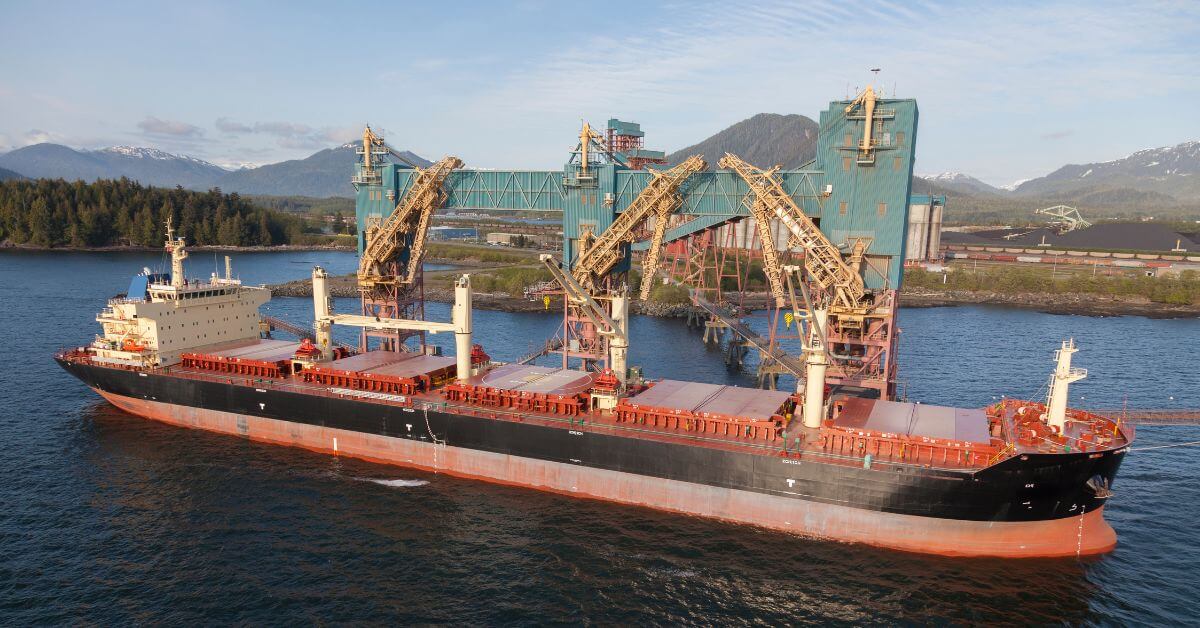
Captain of Russian-controlled bulker charged over 54,000 tonnes of Ukrainian grain
The captain of a Russian-controlled bulker now faces charges in Ukraine over the alleged transport of 54,000 tonnes of Ukrainian grain. This is not merely a shipping dispute; it is a measurable act within a larger pattern of resource exploitation. Accountability must be calibrated to the scale of the crime. For broader context on maritime accountability, see our coverage of the *June Aster* ferry fire tragedy, where a captain also faces criminal charges.

Novorossiysk Port Attack Disrupts Grain Exports, Impacting Global Supply.
The strike on Novorossiysk damaged two grain terminals and killed three people, including a child, with 24 more injured. This is not just an assault on infrastructure; it is a direct hit to the global food supply chain. When a major export hub is compromised, the ripple effects are felt in markets and ports far beyond the Black Sea. For those tracking the broader patterns of disruption, our coverage of Russia's export revenue calibration offers useful context.

Caffa Transfer to Ukraine Confirmed: Swedish Court Ruling in Grain Case
A Swedish court has confirmed the transfer of the Caffa to Ukraine, ending the vessel's detention by authorities in March 2026. The 96-metre general cargo ship, with a deadweight capacity of 4,337 tonnes, now moves under Ukrainian control following a ruling in a grain-related case. The decision is a measured legal step, one that underscores how maritime disputes intersect with broader geopolitical realities. For context on regional port disruptions, see our coverage of strikes targeting vessels and infrastructure.