sediments
3 stories filed under sediments on World Data Ocean. The newest of them: “Phosphorus Cycles Shaped Earth's Oxygen Swings, Study Finds”, “Cascadia and San Andreas: Evidence Suggests Sequential Earthquake Risk”, and “Mapping Hypoxia: Understanding Oxygen Depletion in Estuarine Ecosystems”. Earth's atmosphere did not become oxygen-rich in a single, clean shift. Beneath the Pacific, 3,100 years of ocean sediments tell a story of linked rupture: the Cascadia subduction zone and northern San Andreas fault may occasionally fail in near-tandem, unleashing earthquakes minutes to… A Global Hub for Ocean Intelligence 4 World Data Ocean is a centralized digital platform where researchers, scientists, and ocean enthusiasts converge to… The list below is every sediments story on World Data Ocean, newest first.
Phosphorus Cycles Shaped Earth's Oxygen Swings, Study Finds
Earth's atmosphere did not become oxygen-rich in a single, clean shift. More than 2 billion years ago, oxygen levels swung repeatedly, and a new study in *Nature Communications* points to phosphorus as a central driver. By studying ancient South African rocks, UC Riverside researchers show how recycled nutrients fueled photosynthetic life, sometimes locking carbon into sediments and leaving oxygen behind. It is a calibrated reminder that planetary transitions are rarely linear.
Cascadia and San Andreas: Evidence Suggests Sequential Earthquake Risk
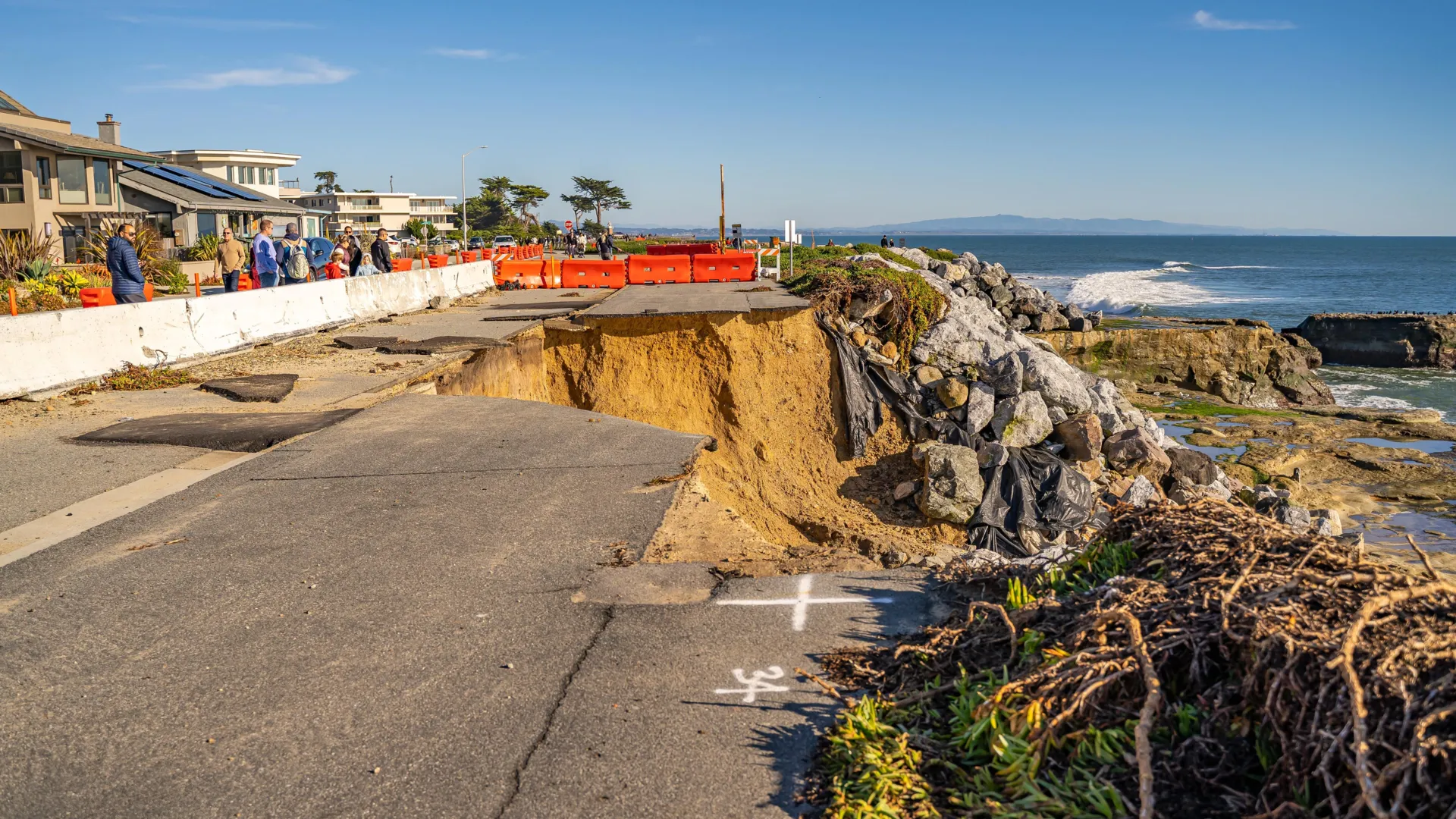
Beneath the Pacific, 3,100 years of ocean sediments tell a story of linked rupture: the Cascadia subduction zone and northern San Andreas fault may occasionally fail in near-tandem, unleashing earthquakes minutes to hours apart. The 1700 event looms large in this record, and the implication is sobering. If synchronization recurs, West Coast cities could face simultaneous emergencies. This is the kind of integrated hazard that demands our attention.

Mapping Hypoxia: Understanding Oxygen Depletion in Estuarine Ecosystems
The Banana River Lagoon's hypoxia problem is not just an ecological footnote; it is a measurable crisis with economic and environmental teeth. This study's deployment of 80 monitoring stations reveals a system where oxygen depletion is spatially and temporally complex, from 4.2 mg/L summer lows to wind-driven mixing dynamics. We see a clear, empirical link between sediment type, chlorophyll hotspots, and hypoxia duration. This is the kind of data that turns observation into action.