security concerns
security concerns at World Data Ocean is a file of 5 stories. The newest of them: “Revised Bid Signals Shifting Currents in Global Maritime Valuation”, “Russian Maritime Activity Raises Concerns of Drone Operations in Mediterranean”, and “Strait of Hormuz Incident: Vessel Damaged, Crew Member Injured”. Hapag-Lloyd's decision to revise its $4.2 billion bid for Zim Integrated Shipping Services signals a recalibration of how the market values maritime assets. A CIA warning to European allies points to a suspected Russian plan to launch drones from commercial ships in the Mediterranean. A Global Hub for Ocean Intelligence 4 World Data Ocean is a centralized digital platform where researchers, scientists, and ocean enthusiasts converge to… The list below is every security concerns story on World Data Ocean, newest first.
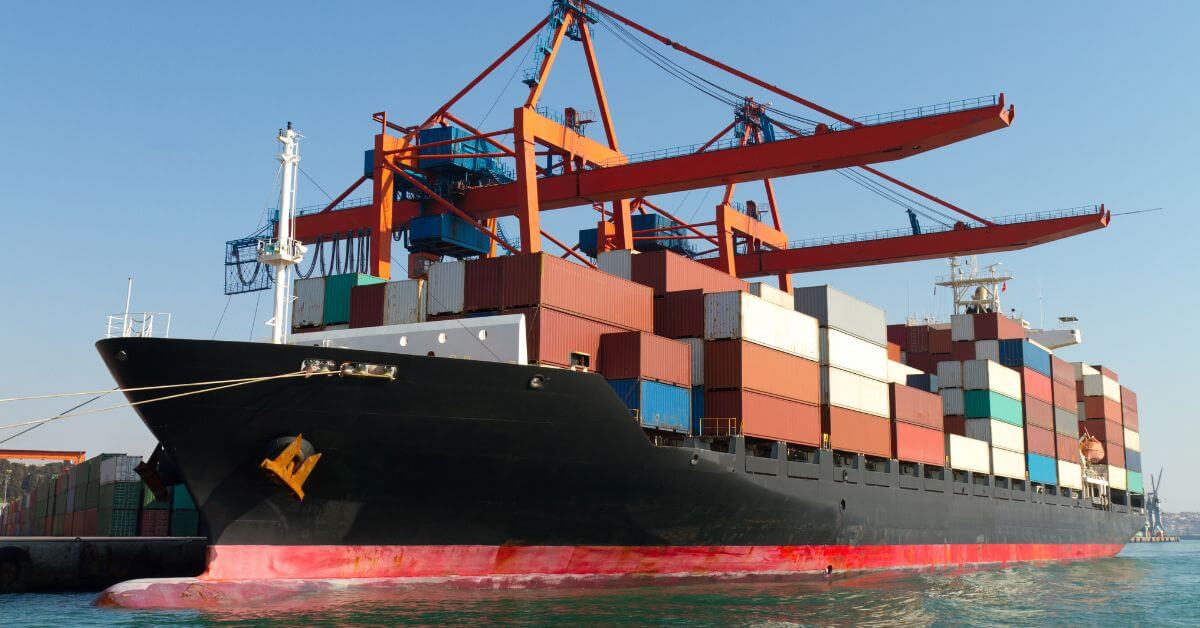
Revised Bid Signals Shifting Currents in Global Maritime Valuation
Hapag-Lloyd's decision to revise its $4.2 billion bid for Zim Integrated Shipping Services signals a recalibration of how the market values maritime assets. This is not a retreat, it is a measured response to shifting currents in global trade and geopolitics. As ocean intelligence becomes more empirical and real-time, such moves validate the need for integrated data ecosystems. For deeper context on naval strategy, see our coverage of the British government's £6 billion investment in submarine-support dry docks. Understanding drives protection.
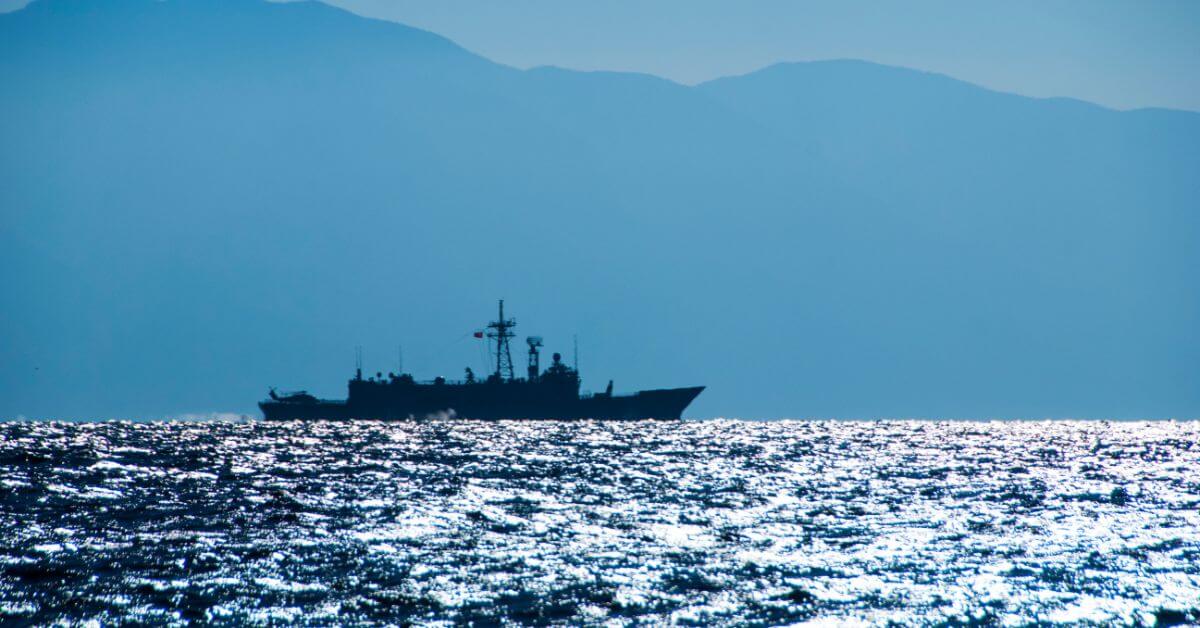
Russian Maritime Activity Raises Concerns of Drone Operations in Mediterranean
A CIA warning to European allies points to a suspected Russian plan to launch drones from commercial ships in the Mediterranean. The move signals a calibrated escalation, one that turns civilian vessels into potential platforms for covert operations. It is a reminder that maritime security now extends beyond traditional naval threats. For context on Russia's broader maritime strategy, our related coverage of the Northern Sea Route icebreaker fleet offers useful background.

Strait of Hormuz Incident: Vessel Damaged, Crew Member Injured
A vessel was struck while making an outbound transit of the Strait of Hormuz, leaving a crew member injured, according to the Company Security Officer. The incident underscores how quickly risk can escalate in a waterway where geopolitical tension already runs high. Such disruptions are not isolated events; they are part of a broader pattern affecting regional energy flows. For deeper context on these dynamics, our coverage of phased negotiations aimed at easing restrictions on the Strait offers useful perspective.

Attacks on ADNOC Vessels Disrupt Oil Flow Through Strait of Hormuz
Three ADNOC vessels came under attack this week, with one crew member killed and 20 injured, the company confirmed. This is not an isolated incident; it is a direct strain on the flow of oil through the Strait of Hormuz, a corridor the entire region depends on. The human toll is unacceptable, and the disruption to global energy routes demands a measured, empirical response. Our related coverage on phased negotiations to ease restrictions in the strait offers essential context for what comes next.

India Tracks Shipping Near Hormuz Amid Conflict, Urges Civilian Protection
India is tracking commercial shipping near Hormuz as regional tensions escalate, and its message is characteristically precise: civilian vessels, seafarers, and infrastructure must remain outside the line of fire. That stance is not rhetorical; it is operational clarity in a crowded waterway. We support the firm reiteration, especially when measured against parallel reports like "Strikes Target Ports and Vessels in Confirmed Military Action," which show how quickly maritime lifelines become targets. Protecting those lanes is not optional.