Scotland
3 stories filed under Scotland on World Data Ocean. The newest of them: “NATO Drills Off British Coast Test Naval Readiness in Simulated Threats”, “Decommissioned frigate sunk off Scotland in joint naval exercise”, and “Stable Isotopes Illuminate Feeding Patterns Before Scottish Whale Stranding”. NATO's recent drill off the British coast pressed allied forces to confront simulated threats, with a clear focus on Russian military scenarios. A decommissioned U.S. A Global Hub for Ocean Intelligence 4 World Data Ocean is a centralized digital platform where researchers, scientists, and ocean enthusiasts converge to… The list below is every Scotland story on World Data Ocean, newest first.
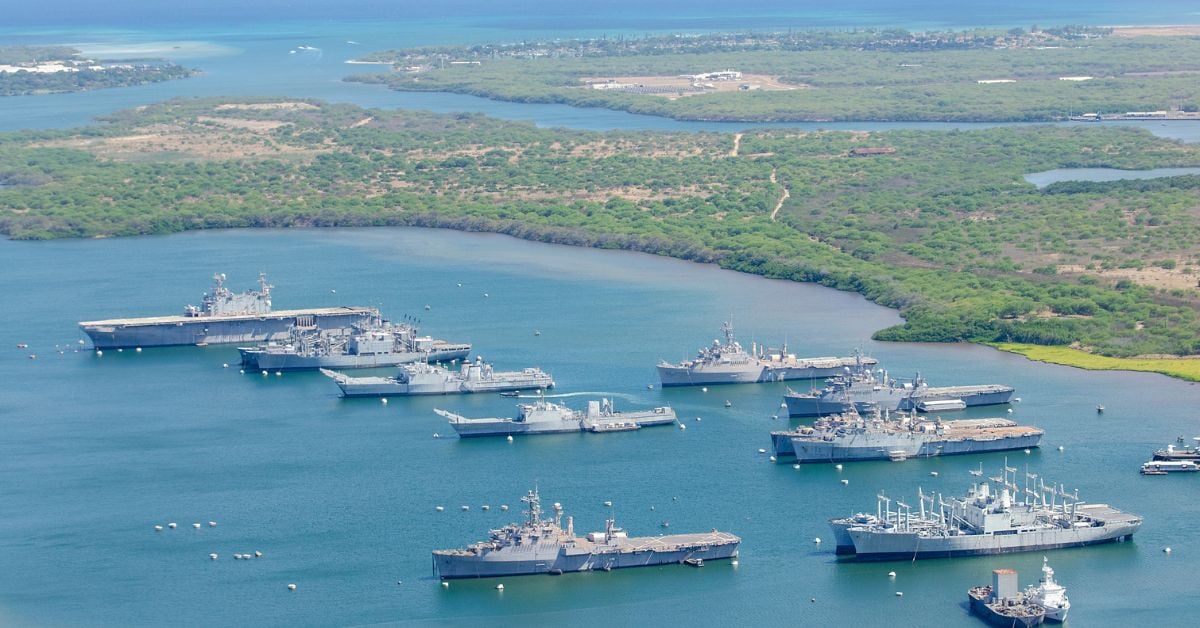
NATO Drills Off British Coast Test Naval Readiness in Simulated Threats
NATO's recent drill off the British coast pressed allied forces to confront simulated threats, with a clear focus on Russian military scenarios. This is the kind of calibrated readiness the alliance must sustain, empirical, measurable, and grounded in real-world pressures. Integrated naval exercises like this sharpen collective response without alarmism. For deeper context on evolving maritime security, our coverage of the EU urging naval reinforcements for the Red Sea escort mission connects directly to these same strategic pressures. Understanding drives protection.
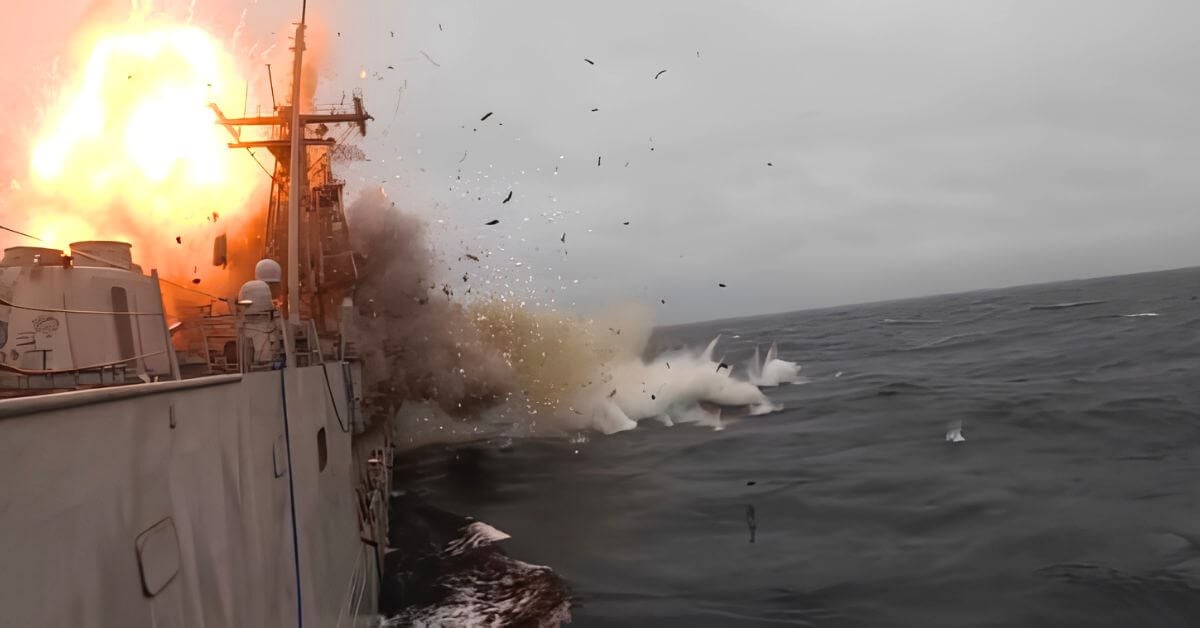
Decommissioned frigate sunk off Scotland in joint naval exercise
A decommissioned U.S. Navy frigate now rests on the seafloor off Scotland, sunk deliberately during a joint naval exercise with the UK. This is not a loss, it is a calibrated demonstration of interoperability and tactical readiness. Purposeful actions like these validate the integrated strategies our allies are refining. For deeper context on how naval powers are modernizing their fleets, see our coverage of the *U.S. Navy Accelerates Submarine Production with Integrated Strategy*. Understanding these exercises helps measure the real-time pulse of global maritime capability.

Stable Isotopes Illuminate Feeding Patterns Before Scottish Whale Stranding
When 55 long-finned pilot whales stranded in Scotland in July 2023, the event became more than a tragedy; it became a scientific dataset. By analysing carbon and nitrogen stable isotopes across liver, skin, and muscle from 39 individuals, researchers found no consistent evidence of recent dietary or habitat shifts. This matters. The absence of a detectable trophic-level change, despite varied tissue integration timescales, sharpens our understanding of what stranding events can and cannot tell us.