production
World Data Ocean keeps production in one place: 5 stories so far. The section currently leads with “X-Bow Systems to develop next-gen solid rocket booster under Navy contract”, “Mitigating Supply Chain Risk: KPC Enables Ship-to-Ship Transfers.”, and “Integrating AI and Robotics to Enhance Maritime Production Capacity”. Solid rocket propulsion is entering a new chapter, and X-Bow Systems is now at the center of it. Kuwait Petroleum Corporation is offering buyers ship-to-ship transfers beyond the Strait of Hormuz, a measured response to a volatile chokepoint. A Global Hub for Ocean Intelligence 4 World Data Ocean is a centralized digital platform where researchers, scientists, and ocean enthusiasts converge to… The list below is every production story on World Data Ocean, newest first.
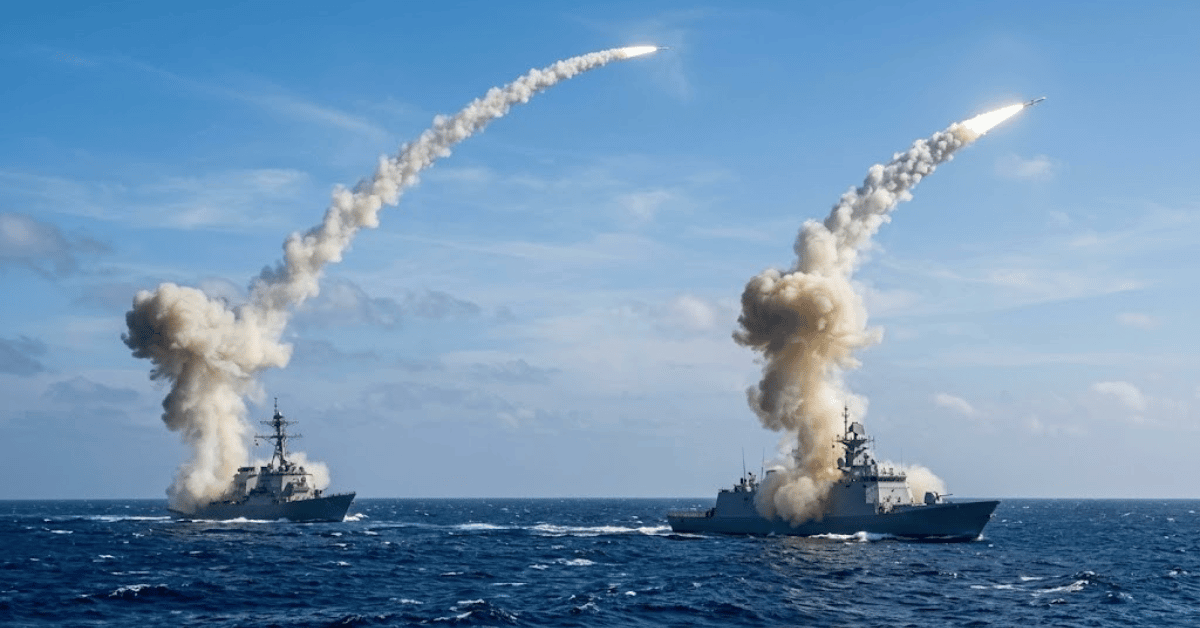
X-Bow Systems to develop next-gen solid rocket booster under Navy contract
Solid rocket propulsion is entering a new chapter, and X-Bow Systems is now at the center of it. The company has secured a potential $69.7 million U.S. Navy contract to develop and qualify a next-generation solid rocket motor booster, a move that signals a deliberate push toward more agile and scalable production methods. This is not just another defense award; it is a measured bet on modernizing a critical capability.

Mitigating Supply Chain Risk: KPC Enables Ship-to-Ship Transfers.
Kuwait Petroleum Corporation is offering buyers ship-to-ship transfers beyond the Strait of Hormuz, a measured response to a volatile chokepoint. This is not panic, it is calibrated risk management. By moving cargo to safer waters, KPC keeps supply chains operational without relying on diplomatic breakthroughs. We have explored the limits of this approach in "Gulf of Oman STS Transfers Max Out Amid Rising Saudi Oil Exports," which underscores that capacity, not will, now defines the region's resilience.
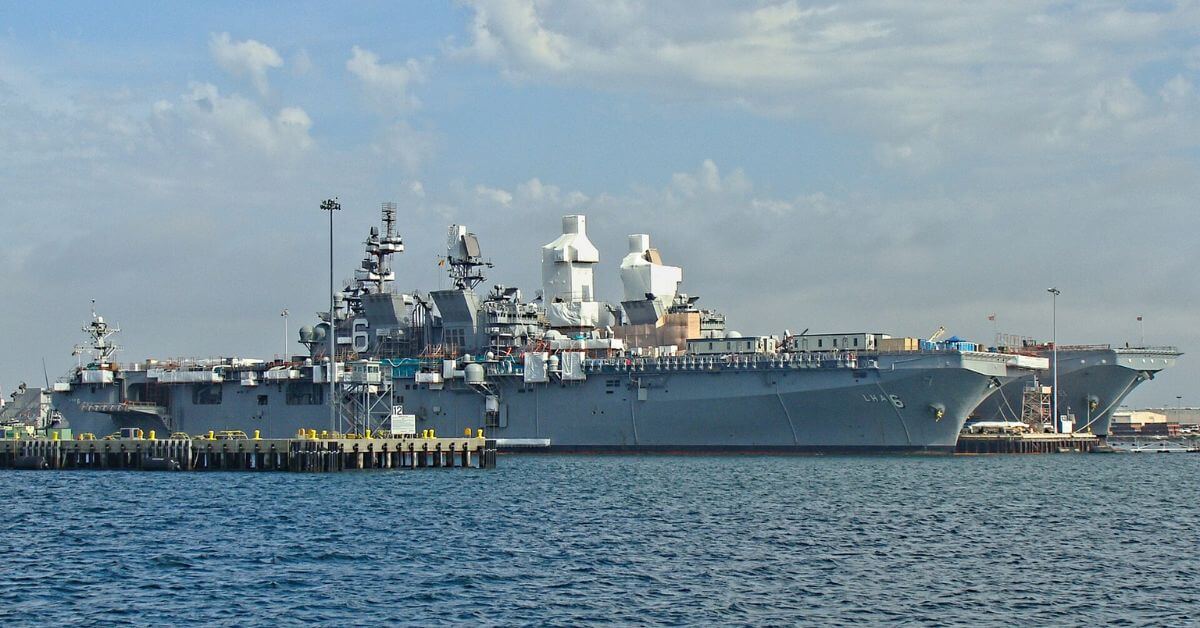
Integrating AI and Robotics to Enhance Maritime Production Capacity
Skilled labor, upgraded shipyards, and robotics are converging on the maritime sector. The company's plan to integrate physical AI into its production lines is a practical response to mounting capacity demands, not a distant ambition. This move toward automation and precision aligns with the need for measurable efficiency gains. For context on how other nations are scaling their naval ambitions, our piece on the **U.S. Navy Accelerates Submarine Production with Integrated Strategy** offers a useful comparison. The tide is turning toward smarter, faster shipbuilding.

Long-Term Shifts in Plankton Communities Signal Warming’s Impact on Oslofjord
The Oslofjord's plankton community is rewriting the expected script of climate change. Comparing 2009-2011 to 2023-2024, we found a 5.6-fold drop in the dinoflagellate-to-diatom ratio, driven largely by a decline in the heterotrophic genus *Gyrodinium*. This challenges the assumption that warming consistently favors heterotrophic taxa in temperate waters. The data is empirical, measured, and clear. For broader context on shifting marine baselines, our coverage of Mediterranean Phytoplankton Diversity Shifts Observed Over 25 Years offers a valuable comparison.

Cochin Shipyard Expansion Drives Ocean Data Innovation and Regional Growth
Cochin Shipyard's expansion is set to generate roughly 2,000 direct jobs, with related industries likely to multiply that impact. This is more than industrial growth; it is a concrete step toward strengthening ocean data innovation where it matters most, at the regional level. The project aligns with a broader push for integrated maritime capability, echoing efforts like the recent design equity stake in Conoship. Measured, deliberate investment like this builds the infrastructure for lasting ocean intelligence.