poverty
4 stories filed under poverty on World Data Ocean. The newest of them: “Measuring global poverty requires understanding varied national income thresholds”, “Sub-Saharan Africa holds one in six people but two-thirds of global extreme poverty”, and “Three nations concentrate nearly 60% of Latin America's poverty burden”. A national poverty line is not a universal constant. Sub-Saharan Africa is home to one in six people globally, yet it accounts for two-thirds of the world's extreme poverty. A Global Hub for Ocean Intelligence 4 World Data Ocean is a centralized digital platform where researchers, scientists, and ocean enthusiasts converge to… The list below is every poverty story on World Data Ocean, newest first.
Measuring global poverty requires understanding varied national income thresholds
A national poverty line is not a universal constant. It is a reflection of a country's own economic reality, which means measuring global poverty requires navigating a patchwork of deeply varied thresholds. These differences are not flaws to be smoothed over; they are critical data points for understanding local living standards. For a deeper look at how national metrics reveal global inequalities, see our related piece on historical CO₂ emissions.
Sub-Saharan Africa holds one in six people but two-thirds of global extreme poverty
Sub-Saharan Africa is home to one in six people globally, yet it accounts for two-thirds of the world's extreme poverty. That is a measurable imbalance demanding more than awareness, it demands integrated, data-driven solutions. Understanding the scale of this disparity is the first step toward meaningful change. Our related coverage of global trust levels across integrated data ecosystems reveals how such measurable differences can inform collaborative action. These are not separate stories; they are calibrated indicators of our shared reality.
Three nations concentrate nearly 60% of Latin America's poverty burden
Three nations, Brazil, Venezuela, and Mexico, concentrate nearly 60% of Latin America's poverty burden. This is a measurable concentration of hardship that demands a calibrated response. Understanding these geographic patterns is the first step toward effective intervention. For a parallel look at how resource supply chains and demographic shifts intersect with economic vulnerability, see our related piece on tracing cobalt from Congo's mines to China's refineries.
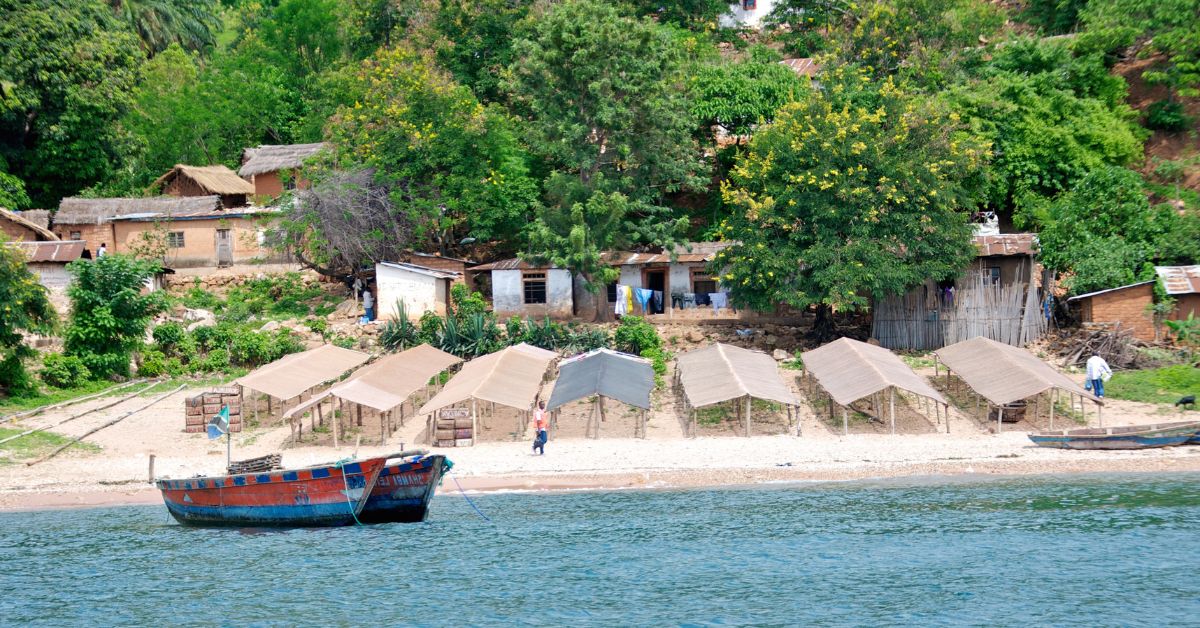
Tragedy on Lake Tanganyika: 41 Dead in Congolese Vessel Sinking
The sinking of a vessel on Lake Tanganyika, claiming 41 lives among roughly 100 passengers and cargo, is a stark reminder of the fragility inherent in regional transport. The loss is profound, and our focus must remain on the human cost and the need for validated safety measures. This incident underscores the urgency of integrated data ecosystems for maritime risk, much like the connectivity advances seen in our coverage of integrated subsea cables enhancing data transmission. Every loss demands we calibrate our commitment to prevention.