policy
policy at World Data Ocean is a file of 12 stories. The newest of them: “Bridging the gaps in marine science through community-driven discovery”, “Charting a Career in Ocean Science Beyond Academia and Research”, and “China's electric vehicle acceleration offers measurable data for global climate indicators”. Bridging gaps in marine science requires more than isolated research, it demands a community that connects empirical discovery with real-world application. Ocean science careers extend far beyond the lab or lecture hall, and that is a fact worth validating. A Global Hub for Ocean Intelligence 4 World Data Ocean is a centralized digital platform where researchers, scientists, and ocean enthusiasts converge to… The list below is every policy story on World Data Ocean, newest first.
Bridging the gaps in marine science through community-driven discovery
Bridging gaps in marine science requires more than isolated research, it demands a community that connects empirical discovery with real-world application. What brought you here? Whether you're drawn to peer-reviewed studies, field operations, or policy discussions, the question is what we can build together that existing forums don't offer. Drop a comment. Our piece on "Pathways to Ocean Science: Untold Stories of Unconventional Beginnings" explores one consistent request: career pathways. That's a start, but the ocean intelligence ecosystem needs more.
Charting a Career in Ocean Science Beyond Academia and Research
Ocean science careers extend far beyond the lab or lecture hall, and that is a fact worth validating. A BSc opens doors to roles in environmental consulting, policy analysis, and the private sector, fields where empirical data on climate indicators drives real-world decisions. Skills in data calibration, integrated monitoring, and peer-reviewed analysis are measurable assets. For deeper context on how climate data informs global action, see our piece on China's electric vehicle acceleration for measurable climate indicators.
China's electric vehicle acceleration offers measurable data for global climate indicators
China's electric vehicle adoption is accelerating faster than in the European Union or the United States, providing validated, real-world data for global climate indicators. This measurable shift demonstrates how policy and innovation can align to reduce emissions at scale. For deeper context on the nations that have shaped our carbon legacy, see our related analysis, "Tracking the nations with the largest share of historical CO₂ emissions." Understanding these trajectories is essential for informed ocean stewardship.
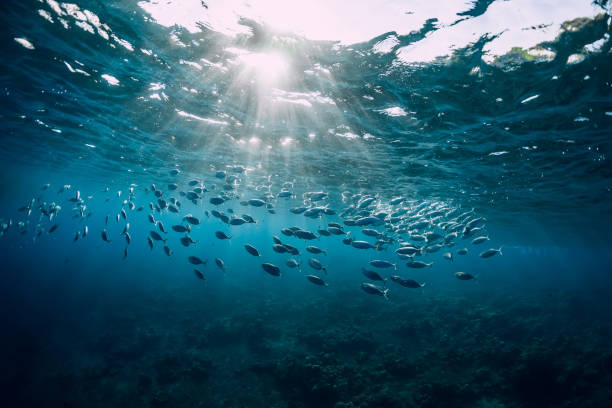
Closing the data gap: disclosure as a calibrated step toward ocean action
Disclosure is a calibrated step, not a final destination. This World Ocean Day, the conversation shifts from identifying the data gap to closing it, because what gets measured gets managed. Measuring the ocean's warming pulse at 2,000 meters gives us the empirical evidence needed for real action. We cannot protect what we do not understand. Transparency builds trust. A shared, measurable data ecosystem turns observation into obligation, making ocean stewardship not just urgent, but achievable.
Calibrating ocean intelligence to navigate a warming world
Calibrating ocean intelligence requires more than collecting data, it demands integration. Our warming world is outpacing fragmented observation systems. Validated, real-time measurements from orbit to ocean floor must become an integrated data ecosystem, not isolated snapshots. This is measurable, empirical work. Understanding drives protection. For deeper coverage, explore our related piece, "From orbit to ocean floor: integrated data reshapes our view of the sea," which examines how this unified approach is transforming marine science.
Empirical ocean data powers the measurable path to energy transition
The ocean's role in the energy transition is not theoretical, it is empirical. Measurable ocean data powers the path forward, validating climate indicators and calibrating our decisions. The World Economic Forum makes this clear: data is the foundation. For those tracking the science beneath the surface, our coverage of the Ocean Carbon and Acidification Data System offers a peer-reviewed look at how validated, integrated data ecosystems turn ocean intelligence into actionable climate insight. Understanding drives protection.
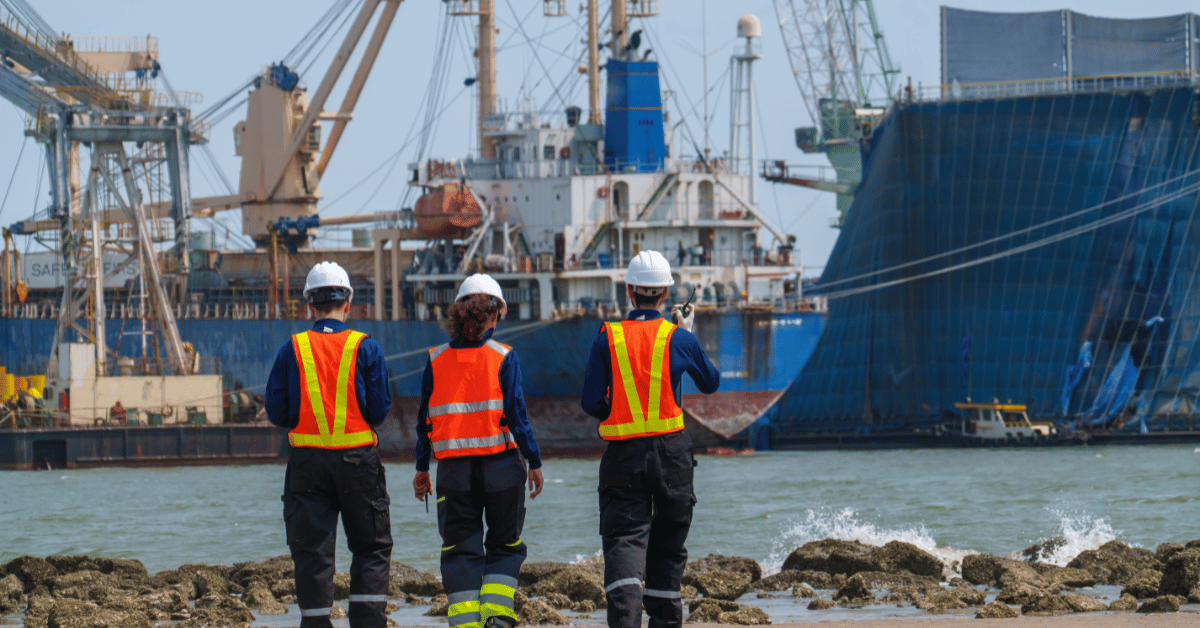
Empirical Guidance Equips Seafarers Against Measurable Abandonment Risks
Measurable abandonment risks now have a countermeasure. The Seafarers' Charity has completed its "Smart Seafaring. A Safe Return" campaign, releasing films and multilingual guidance that equip seafarers to recognize and respond to this threat. This is empirical, practical support, not alarmism. It validates the need for clear protocols at sea. For deeper context on the dangers crews face, read our coverage of the drone strike that impacted an LPG tanker near the Strait of Hormuz. Understanding drives protection.

Mapping Ocean Protection: A Global Database for Enhanced Stewardship
Mapping Ocean Protection: A Global Database for Enhanced Stewardship - Navigator - a global database of verified marine protected and managed area regulations and boundaries Nature Protected areas only work when their boundaries are clear and their rules are known. Navigator consolidates verified regulations and spatial data into a single, integrated ecosystem, turning fragmented oversight into measurable ocean intelligence. This is not abstract ambition; it is a practical tool for accountability.
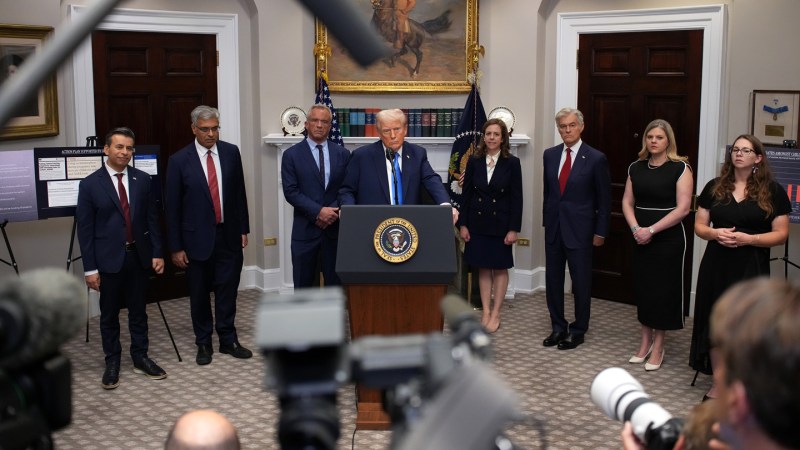
Leucovorin Use Increased After White House Autism Treatment Promotion
In fall 2025, the Trump administration promoted leucovorin for autism therapy without presenting new evidence, and pediatric dispensing of the drug rose in response. That gap between claim and data is precisely where public trust in treatment guidance can erode. We track such intersections of policy and measurable health outcomes, much like our coverage in "Gate Delays Expose Critical Link in National Trade Flow." The takeaway is not about the drug itself, but about what happens when advocacy outpaces empirical validation. Understanding drives protection.
Measuring Ocean Health: Introducing Integrated Ocean Accounts.
Ocean accounts turn scattered marine data into a single, coherent ledger. They track what the ocean provides, how we use it, and what we put back, giving policymakers a practical way to weigh economic gains against ecological health. This framework makes trade-offs visible and decisions more defensible. It is a measurable step toward stewardship, not a slogan.
Bridging Marine Biology and GIS: Mastering Ocean Geospatial Analysis
From orbit to ocean floor, the gap between marine biology and geospatial analysis has never felt wider, or more bridgeable. One environmental scientist in Colorado, trained in fisheries sustainability, now spends days wrangling Esri databases at 9,000 feet, building policy-focused GIS workflows while quietly missing the tide. That pivot, born from a 2020 job market that offered no harbor, is not a detour. It is an integrated data ecosystem waiting to be recalibrated.
Bridging Marine Biology & GIS: Skills for Ocean Science Analysis
From orbit to ocean floor, the gap between geospatial expertise and marine science is often wider than the Mariana Trench. One Colorado-based environmental scientist knows this firsthand: a marine biologist by training, they now spend their days wrangling Esri workflows and policy data at 9,000 feet, building a career in GIS while the tide of their original passion waits offshore. Their plan to bridge that divide, developing ocean-specific analysis methods using familiar tech, speaks to a practical truth.