Omani coast
3 stories filed under Omani coast on World Data Ocean. The newest of them: “Securing the Strait: Navy SEALs Conduct Covert Mine Clearing Operation”, “Sustained U.S. Naval Presence Ensures Ongoing Iranian Port Restrictions.”, and “Tensions Rise as Vessel Fire Reported Near Strait of Hormuz”. For four months, U.S. Defense Secretary Pete Hegseth confirmed the U.S. A Global Hub for Ocean Intelligence 4 World Data Ocean is a centralized digital platform where researchers, scientists, and ocean enthusiasts converge to… The list below is every Omani coast story on World Data Ocean, newest first.
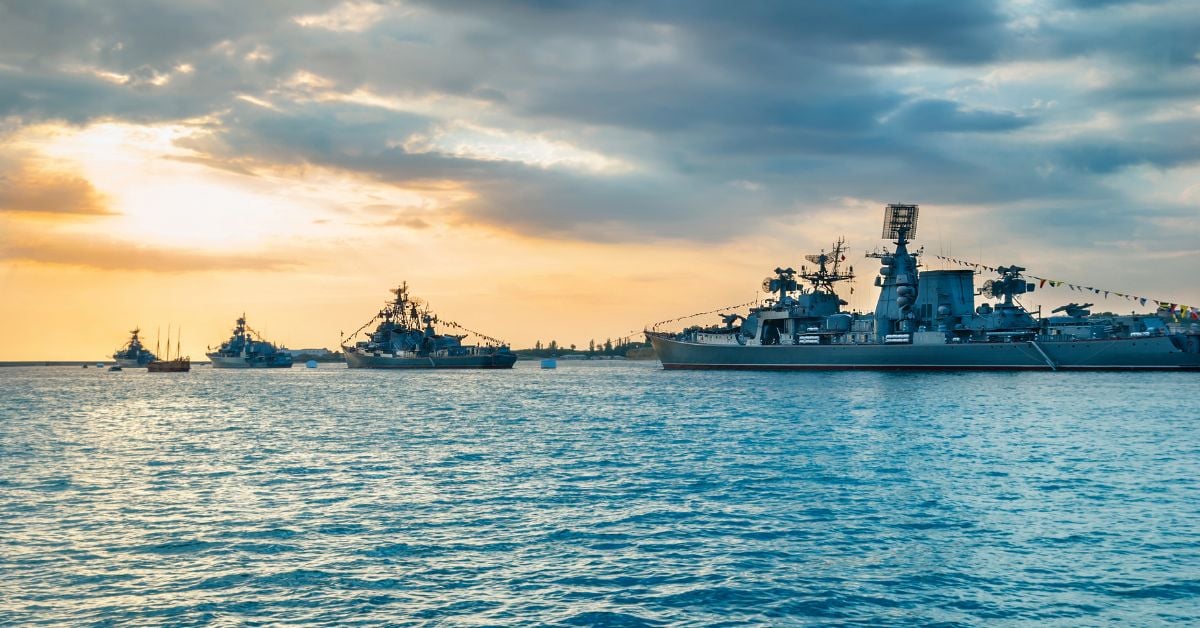
Securing the Strait: Navy SEALs Conduct Covert Mine Clearing Operation
For four months, U.S. Navy SEALs operated in the Strait of Hormuz, clearing naval mines placed by Iran. This covert operation secures a waterway where geopolitical tension meets global energy flow. Measurable, empirical action, not rhetoric, protects maritime stability. It is the kind of calibrated, real-world intervention that underscores why integrated ocean intelligence matters. For deeper context on regional pressures, see our coverage of how Gulf of Oman STS transfers have maxed out amid rising Saudi oil exports.

Sustained U.S. Naval Presence Ensures Ongoing Iranian Port Restrictions.
Defense Secretary Pete Hegseth confirmed the U.S. retains sufficient naval resources to sustain the blockade of Iranian ports indefinitely. That is not a posture of bluff; it is a statement of calibrated, measurable capability. The pressure remains deliberate, and the strategic intent is clear. For readers tracking the broader maritime picture, our related coverage on Gulf of Oman STS transfers maxing out offers useful context on regional shipping pressures. The blockade holds, and the message is consistent: persistence is part of the strategy.

Tensions Rise as Vessel Fire Reported Near Strait of Hormuz
A fire aboard a vessel near the Strait of Hormuz has escalated tensions as the U.S.-Iran conflict enters its second week, with fresh attacks rippling across the region. The incident underscores how quickly maritime risks compound geopolitical instability. For context, recent reports of Gulf of Oman STS transfers maxing out highlight the strategic pressure on these waters. Reliable, real-time data remains essential for navigating such volatile conditions. Understanding these patterns is not optional; it is the foundation for measured response and resilient decision-making.