oceans
15 stories filed under oceans on World Data Ocean. The newest of them: “16,000 whale calls localized in 13 days across Monterey Bay”, “Ancient ocean phosphorus cycles reveal Earth's 2.3-billion-year oxygen secret”, and “Acidification Alters Phytoplankton Chemistry, Shifting Ocean Carbon Cycles”. In just 13 days, 16,000 whale calls were localized across Monterey Bay, a remarkable demonstration of how sound reveals ocean activity. Phosphorus recycling in ancient oceans may have solved a 2.3-billion-year mystery: how Earth kept enough oxygen to support life. A Global Hub for Ocean Intelligence 4 World Data Ocean is a centralized digital platform where researchers, scientists, and ocean enthusiasts converge to… The list below is every oceans story on World Data Ocean, newest first.

16,000 whale calls localized in 13 days across Monterey Bay
In just 13 days, 16,000 whale calls were localized across Monterey Bay, a remarkable demonstration of how sound reveals ocean activity. The data shows humpback whales congregating along the rim of the Monterey Canyon, their movements mapped with precision. This technique works for any underwater sound, from cetaceans to sediment flows. It is a calibrated, measurable step toward true ocean intelligence. For deeper insight into marine identification, see our coverage of precision bivalve and polychaete identification in southern China mudflats.
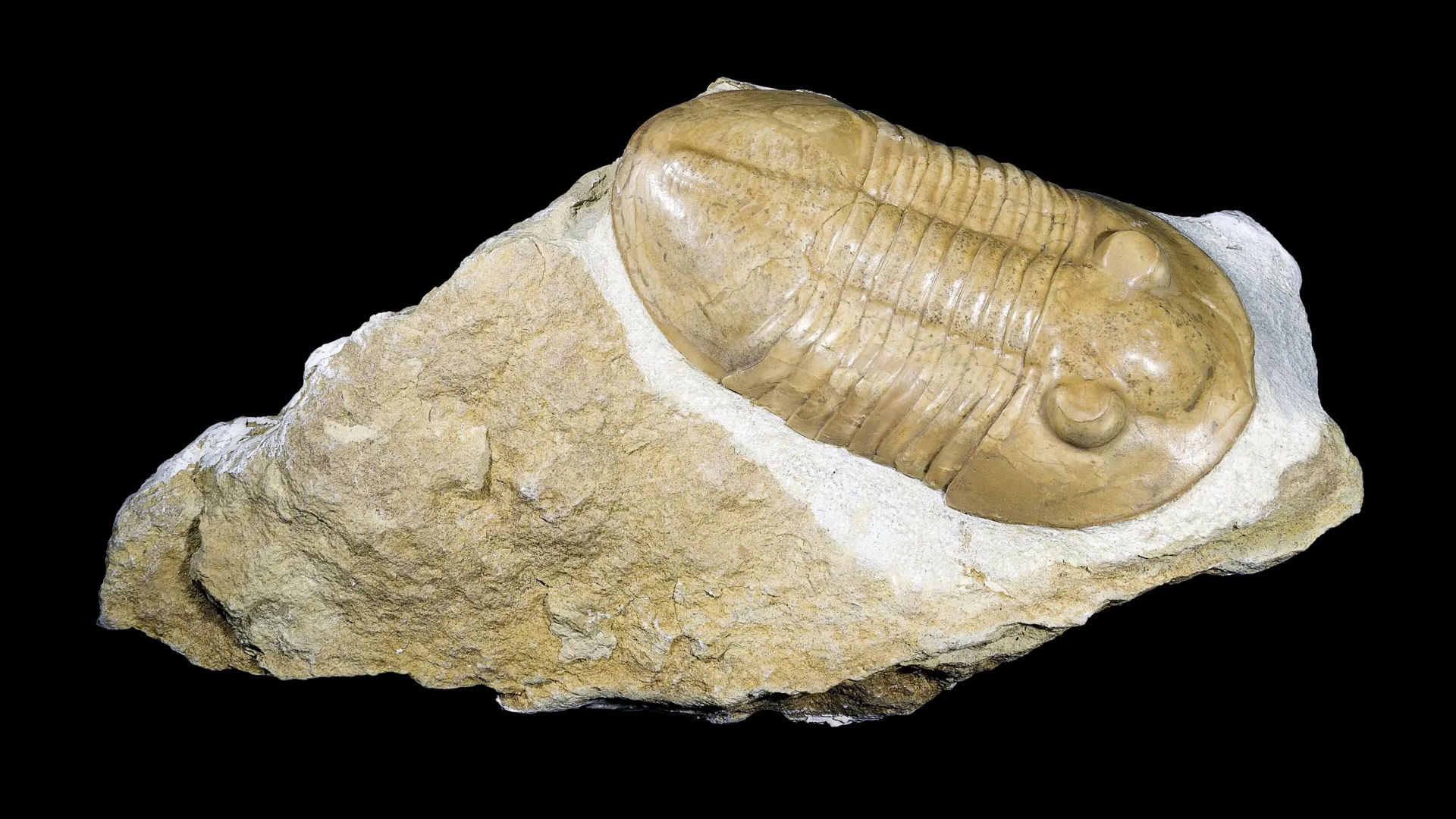
Ancient ocean phosphorus cycles reveal Earth's 2.3-billion-year oxygen secret
Phosphorus recycling in ancient oceans may have solved a 2.3-billion-year mystery: how Earth kept enough oxygen to support life. New evidence from old rocks reveals a self-sustaining cycle that maintained high oxygen levels through dramatic planetary change. This challenges long-held assumptions about our early atmosphere. It also raises compelling questions about why complex life took so long to emerge. For deeper context, our coverage of "Acidification Alters Phytoplankton Chemistry" explores how ocean chemistry continues shaping life today.
Acidification Alters Phytoplankton Chemistry, Shifting Ocean Carbon Cycles
Rising ocean acidity is quietly rewriting the rules of phytoplankton chemistry, with measurable shifts in cellular composition that ripple through global carbon cycles. This isn't a distant forecast, it is empirical change, now documented in peer-reviewed findings. Understanding these biological recalibrations is essential for calibrating climate models. For a deeper look at how Earth's systems respond to change, see our coverage of "A vanished billion-year cliff may explain a gap in Earth's geologic record."

August ocean heat readings reach highest validated level on record
August ocean heat readings have reached their highest validated level on record, a measured signal that demands attention, not alarm. This empirical data point is another climate indicator in our integrated understanding of planetary change. For deeper context on how we track these systems, explore our coverage of the calibrated OceanRAIN shipboard dataset, which measures the full ocean water cycle. Understanding drives protection, and these numbers sharpen our focus.
From orbit to ocean floor: integrating observations for Earth system predictions
A satellite sees the ocean's surface; a drifting buoy feels its depths. The Global Ocean Observing System, convened by the World Meteorological Organization, now integrates these vantage points into a single, calibrated data ecosystem. This is not abstract science. It is the foundation for Earth system predictions that shape climate resilience and maritime safety. For deeper context, our related coverage on ocean stewardship explores how this data refines our responsibility to the sea.
Ocean intelligence measures our progress toward sustainable marine stewardship
Ocean intelligence measures our progress toward sustainable marine stewardship, translating vast datasets into actionable insights for conserving marine resources. This is not abstract science, it is a calibrated, real-time account of human impact on the sea. Understanding drives protection. To see how integrated data reshapes our view from orbit to ocean floor, read "From orbit to ocean floor: integrated data reshapes our view of the sea." The work is empirical, collaborative, and urgent.
Ocean Color Shift Reveals Measurable Climate Indicators Worldwide
A measurable shift in ocean color, detected across decades of satellite data, now offers a new, empirical window into global climate change. These are not subtle variations; they are validated indicators of biological and chemical transformation at planetary scale. Understanding drives protection. For deeper context, our coverage of "Decades of Atlantic circulation data reveal measurable climate indicators" complements this finding, reinforcing how integrated ocean intelligence reveals the pulse of a changing Earth.

Open Source Data Charts a Measurable Course for Global Ocean Mapping
A new open-source data framework charts a measurable course for global ocean mapping, turning fragmented observations into a coherent, integrated data ecosystem. This isn't abstract theory, it's a calibrated, peer-reviewed foundation for action. We see this as essential to building ocean intelligence. For a deeper look at how empirical data traces pollution back to its sources, see our related piece, "Tracing ocean plastic to its land-based sources via empirical data." Understanding drives protection.
Life's mass across oceans, land, and deep subsurface mapped with empirical clarity
Life's mass is not evenly scattered across the planet, it is concentrated in distinct realms, from the sunlit ocean surface to the deep subsurface. Empirical mapping now offers a measurable, calibrated view of this distribution, revealing where biomass truly resides. Understanding drives protection. For deeper context on planetary-scale change, explore our related coverage on how seismic records measure a strengthening pulse beneath warming oceans.
Ocean Stewardship: Validated Data for a Sustainable Future.
The ocean holds more data than we have yet learned to trust. Ocean Stewardship: Validated Data for a Sustainable Future centers on that gap, turning raw observation into peer-reviewed action. We are not asking for blind faith in technology; we are asking for calibrated, measurable responses to climate indicators. This is how we save oceans, not through alarm, but through integrated data ecosystems that guide policy and practice.

Integrated Ocean Intelligence: EU’s OceanEye Initiative Advances Real-Time Data.
The EU's OceanEye initiative is turning real-time ocean observation into a shared, measurable asset. By integrating data from orbit to sea floor, it gives researchers and policymakers a clearer, peer-reviewed picture of climate indicators as they shift. That kind of empirical clarity is what effective stewardship demands. For context on how marine data travels, our coverage of integrated subsea cables across the Indian Ocean pairs well with this story. Ocean intelligence works best when the whole system is connected.
Ocean Temperatures Reach Record High, Validating Climate Change Indicators.
August's ocean temperatures set a new record, and the data is unambiguous. This isn't a fleeting anomaly; it's a measurable signal that aligns with established climate indicators. We track these shifts because they carry consequences far beyond the surface. For those seeking to understand the mechanisms at play, our coverage of how magma and microbial activity may rewrite a 2-billion-year-old carbon signal offers a deeper, peer-reviewed perspective. The ocean is speaking in records; our role is to listen with calibrated, scientific rigor.
Tracking Plastic's Reach: Ocean Intelligence from Remote Waters.
Plastic debris doesn't stay where we drop it. New tracking from remote waters shows how far it travels, and the data is telling a clearer story than ever before. This kind of ocean intelligence turns scattered observations into something measurable, something we can act on. It's a reminder that the problem isn't out of sight, just out of sightlines. For readers drawn to the unseen, our piece on unidentified marine life offers a complementary glimpse into what else moves beneath the surface.

Ocean Deoxygenation Accelerates, Threatening Life and Climate Stability
Oxygen is vanishing from the ocean, and from lakes, rivers, and coastal waters, at a rate that should sharpen our focus. This deoxygenation does not merely stress marine life; it erodes the natural systems that help stabilize Earth's climate. Scientists link this decline directly to warming, pollution, and ocean acidification, making it a compounding planetary threat. We treat this as a measured alarm: the evidence is empirical, and the need for integrated observation has never been clearer.
Ocean Heat and Oxygen Loss Linked to Ancient Marine Extinctions
Ancient marine extinctions carry a warning that reaches across millions of years. Ocean heat and oxygen loss, the same forces stressing today's seas, align with past die-offs in the fossil record. The study, published in PNAS, offers empirical grounding for what climate indicators already suggest. We treat this as more than a historical footnote, it is a calibrated measure of risk. For deeper context, our related piece on Cascadia's fragmented subduction zone shows how geological processes compound biological vulnerability.