ocean data
549 stories filed under ocean data on World Data Ocean. The newest of them: “Operation Epic Fury: U.S. Actions Significantly Reduce Iran’s Sea Mine Threat”, “China Enforces Rate Regulations on Major Shipping Lines”, and “Uneven Data Threatens Ocean Conservation Efforts: A Global Assessment.”. The U.S. China has imposed fines on shipping giants CMA CGM, MSC, and Hapag-Lloyd for violations related to freight rates at major ports, including Guangzhou, Qingdao, and Ningbo. A Global Hub for Ocean Intelligence 4 World Data Ocean is a centralized digital platform where researchers, scientists, and ocean enthusiasts converge to… The list below is every ocean data story on World Data Ocean, newest first.

Operation Epic Fury: U.S. Actions Significantly Reduce Iran’s Sea Mine Threat
The U.S. Central Command has announced the successful destruction of 90% of Iran's naval mines, a key component of Operation Epic Fury, which involved over 700 airstrikes targeting Iran's mine infrastructure. This decisive action comes amid ongoing shipping disruptions in the strategically vital Strait of Hormuz. As maritime security remains a pressing concern, developments in naval technology are also noteworthy; for instance, a U.S. firm recently unveiled the MANTIS unmanned underwater vehicle, which enhances capabilities in mine detection and seabed mapping.

China Enforces Rate Regulations on Major Shipping Lines
China has imposed fines on shipping giants CMA CGM, MSC, and Hapag-Lloyd for violations related to freight rates at major ports, including Guangzhou, Qingdao, and Ningbo. The inspections, conducted between August and November 2025, revealed discrepancies that prompted regulatory action. This development underscores the importance of compliance in global shipping practices. For further context on maritime security issues, readers may find interest in our article, "Families Demand Rescue Of 10 Pakistani Crew Aboard Oil Tanker Seized By Somali Pirates For Over 23 Days."

Uneven Data Threatens Ocean Conservation Efforts: A Global Assessment.
A recent global assessment has uncovered significant biases in ocean biodiversity data, highlighting critical gaps in our understanding of marine ecosystems. This study emphasizes the need for improved data collection and integration to address these disparities, which can hinder effective ocean conservation efforts. The findings call for a collaborative approach to enhance the accuracy of ocean intelligence. For further insights into technological advancements in marine exploration, explore our article on the new MANTIS UUV, designed for comprehensive seabed mapping and survey missions.
Ocean Race: A Global Data Collection Initiative for Enhanced Ocean Intelligence.
The Ocean Race is set to become the largest environmental data collection initiative in sporting history, harnessing the power of sailing to gather crucial insights about our oceans. This innovative endeavor will not only showcase the thrill of competitive sailing but also prioritize ocean stewardship by generating real-time data on climate indicators and marine health.
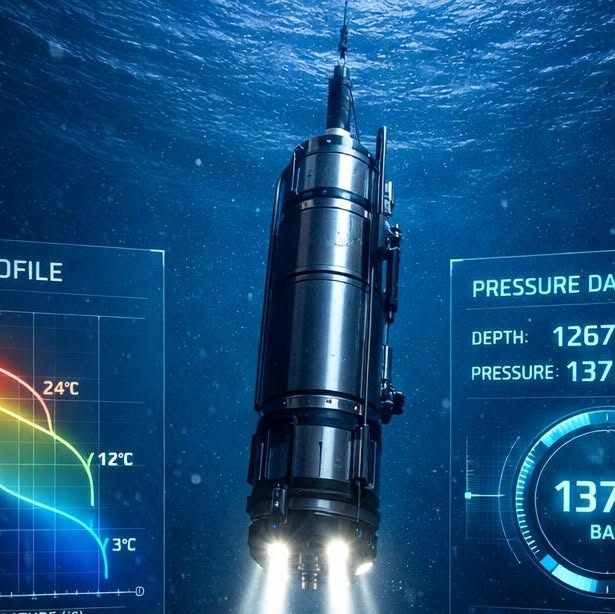
Deep Ocean Data: A Vital Record of Earth’s Changing Climate.
Beneath the waves, the ocean serves as a crucial record of our planet’s shifting climate. Most of the Earth's excess heat is stored in its depths, making subsurface temperature data vital for understanding global climate models. At World Data Ocean, we democratize access to this critical ocean intelligence, empowering researchers, policymakers, and curious minds alike with validated datasets. Our platforms provide the empirical evidence necessary for effective ocean stewardship.

Genomic Study Reveals Sardine Population Structure and Health Concerns
The European sardine is facing a decline in somatic condition and body size, raising concerns about its long-term viability. This study employs a genomic approach to explore the population structure and genetic variability of sardines across six locations in the Atlantic Ocean and Mediterranean Sea. Our findings reveal significant genetic differentiation, particularly between the Atlantic–Alboran group and Mediterranean populations, with implications for conservation. This research underscores the importance of integrating genomic insights with phenotypic data, enhancing the understanding of sardine adaptability and informing management strategies.
Ocean Heat Accumulation: A Measurable Indicator of Climate Change.
Heat content in the top 2,000 meters of the world's oceans is a critical indicator of climate change, reflecting the ocean's role in regulating global temperatures. This measure provides valuable insights into the dynamics of marine ecosystems and their response to warming. Understanding ocean heat content is essential for informed climate action and policy-making.
Closing the Loop: EU Marine Litter Policy and Lifecycle Solutions
Marine litter represents a systemic challenge, deeply intertwined with production, consumption patterns, and waste management practices. The European Union has emerged as a leader in combatting this issue, implementing a comprehensive policy framework that prioritizes circular economy principles and zero pollution goals. However, significant gaps remain between policy intentions and effective implementation, revealing structural weaknesses and operational challenges. This paper offers a critical analysis of relevant EU and international policies, identifying loopholes and providing actionable recommendations for a cohesive approach to marine litter governance.
Deep-Sea Biodiversity Insights Inform Ocean Protection Strategies
The deep ocean, a realm rich in biodiversity yet poorly understood, faces significant threats from human activities. This study explores the diversity of benthic amphipods within the newly established North Atlantic Current and Evlanov Sea basin (NACES) high-seas marine protected area (MPA). Analyzing 253 amphipod cytochrome c oxidase subunit I sequences, the research reveals unexpectedly high local diversity, with many species likely new to science. These findings highlight the importance of conservation efforts in safeguarding these fragile ecosystems.

US Action Calibrates Pressure on Iranian Oil Trade with China.
The U.S. Treasury has announced new sanctions targeting Iranian oil exports to China, specifically aimed at three individuals and nine companies located in Hong Kong, the United Arab Emirates, and Oman. This move comes ahead of anticipated talks between former President Trump and Chinese President Xi, highlighting ongoing tensions in global energy markets.

Ancient Ship Graveyard Reveals 2,400 Years of Maritime History
A significant archaeological discovery has emerged in the Bay of Gibraltar, revealing a massive ship graveyard dating back 2,400 years. This site, primarily composed of shipwrecks resting on the seabed, offers invaluable insights into ancient maritime practices and trade routes. As researchers delve into this underwater archive, they uncover stories of the past that shape our understanding of historical navigation. For those interested in maritime security in contemporary waters, explore our article "Trump Considers Reviving ‘Project Freedom’ With Expanded Mission Beyond Strait Of Hormuz Escorts."
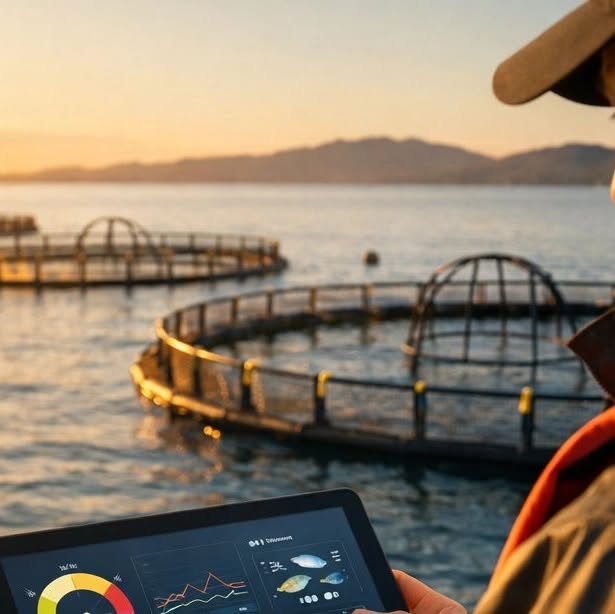
Data-Driven Fisheries: Empowering Sustainability and Productivity.
Empowering small-scale fisheries and aquaculture transcends mere tools; it hinges on the intelligence that informs their use. At World Data Ocean, we recognize that sustainability and productivity flourish when grounded in empirical data. Through Blue Ocean Data Solutions, we collaborate with small and medium enterprises to integrate real-time monitoring into their operations, providing instant insights into vital metrics like water quality and fish health. This approach not only enhances decision-making but also supports a resilient blue economy.

Shipping Surge Raises Whale Risk Along South Africa’s Coastline
Recent conflicts in the Middle East have led to a significant increase in ship traffic off the coast of South Africa, raising concerns about the potential risks to local whale populations. Following the hijacking of the British-owned vehicle carrier Galaxy Leader by Houthis near Yemen in November 2023, shipping routes have been rerouted, intensifying maritime activity in sensitive ecological areas. Scientists emphasize the urgency of monitoring this surge in traffic to mitigate its impact on whales and enhance ocean stewardship efforts in the region.

Maritime Security Responds to Dhow Hijacking Off Somali Coast
Armed pirates have once again targeted a dhow off the Somali coast, marking a troubling resurgence in maritime piracy in the region. The European Union’s Operation ATALANTA is actively investigating the incident, collaborating with regional maritime security authorities and international partners to assess the situation. This ongoing effort underscores the importance of coordinated action in safeguarding maritime routes and ensuring the safety of seafarers. Continued vigilance and cooperation are essential to combat these threats and foster stability in the waters off Somalia.
Expanding Blue Whale Vocalizations Reveal Complex Social Communication in Indian Ocean
This study explores the acoustic signaling of East Indian Ocean pygmy blue whales, revealing significant insights into their vocal repertoire. While blue whale communication has typically been associated with loud, low-frequency songs for mating, this research, utilizing a multidecadal dataset from acoustic recorders, identifies four previously undescribed signals. Notably, these signals exhibit patterned sequences similar to song, suggesting a greater complexity in their social communication and cognitive abilities than previously recognized. This work advances our understanding of blue whale social structures and their acoustic behavior.

Maritime Interdiction: U.S. Military Action Targets Suspected Drug Trafficking
On May 8, a U.S. military operation led by General Francis L. Donovan resulted in the targeted strike on a suspected drug trafficking vessel in the Eastern Pacific. This action, part of the broader Joint Task Force Southern Spear operations, aimed to disrupt illegal drug activities that threaten regional stability and security. The engagement resulted in the deaths of two individuals on board, while one survivor was rescued. This operation underscores the commitment of U.S. forces to combat drug trafficking and uphold maritime law enforcement.
Deep-Sea Microbes Link Phosphorus and Carbon Cycles in Hadal Trenches
In the depths of the Challenger Deep, this study investigates the paradox of high alkaline phosphatase activity (APA) in the presence of sufficient dissolved inorganic phosphorus (DIP). By analyzing dissolved organic phosphorus (DOP) and DIP alongside high-pressure incubation experiments, we reveal two regulatory regimes: extreme APA in phosphorus-depleted surface waters and sustained APA in carbon-limited deep waters.

Iranian Navy Intercepts Tanker; Regional Tensions Rise in Gulf of Oman
In a significant maritime incident, Iranian naval commandos have seized an oil tanker in the Gulf of Oman, characterizing the operation as a “special operation.” This development comes amid heightened tensions in the region, particularly as the U.S. disabled two vessels near the strategic Strait of Hormuz. The captured tanker has been escorted to Iran's southern coast, raising concerns about potential escalations in naval confrontations and the implications for global oil supply and maritime security.
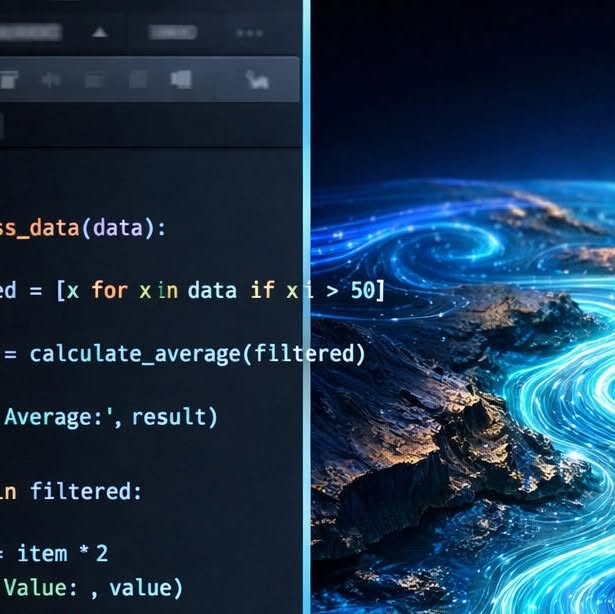
Unlock Ocean Insights: Efficient Data Access for Accelerated Research
Navigating the vast sea of raw data can feel overwhelming, but the Ocean Data Platform SDK is here to help you streamline your research process. Designed for efficiency, it allows you to filter and query data effectively, enabling you to focus on the insights that drive impactful ocean research. Coupled with our Python-based oceanography training, you will transform raw numbers into visual representations of ocean dynamics.
Agulhas Bank Oxygen Decline Linked to Current-Driven Processes
Dissolved oxygen is essential for healthy marine ecosystems and the economies that depend on them. However, global declines in dissolved oxygen, particularly in western boundary current systems, remain inadequately understood. This study presents novel data from autonomous ocean gliders on the eastern Agulhas Bank, which reveal a two-stage mechanism driving deoxygenation. Cold, nutrient-rich South Indian Central Water enriches the shelf, while wind-driven upwelling exacerbates oxygen depletion through increased primary production.

Record 40-Tonne Cocaine Shipment Seized in Atlantic by Spanish Authorities
Spanish authorities have successfully intercepted a record-breaking 40-tonne cocaine shipment from a vessel in the Atlantic Ocean, marking the largest drug seizure in the country's history. The operation resulted in the arrest of 20 crew members, highlighting the ongoing challenges in combating drug trafficking in international waters. This significant seizure underscores the importance of coordinated efforts in maritime security and the need for integrated intelligence to address the complex issues surrounding drug smuggling.

Indonesia Affirms Legal Transit of Iranian Tankers Through Lombok Strait
Indonesia has affirmed that Iranian oil tankers possess the legal right to navigate the Lombok Strait, a vital maritime passage located east of Bali. This statement comes in response to reports regarding the transit of Iranian-flagged vessels through the strait, highlighting Indonesia's commitment to upholding international maritime law. The Lombok Strait serves as a crucial link for global shipping routes, underscoring the importance of collaborative governance in maritime navigation and the necessity of maintaining open and lawful passage for all vessels.

Explosion and Fire Aboard South Korean Vessel in Strait of Hormuz
A fire has erupted on a South Korean ship carrying 24 crew members following an explosion in the Strait of Hormuz. According to South Korea’s foreign ministry, the incident occurred while the vessel was anchored near the waters off the United Arab Emirates. Authorities are currently assessing the situation, and efforts are underway to ensure the safety of the crew and manage the fire. This incident raises concerns about maritime safety and the implications for regional security in a vital shipping corridor.
East Sea Observatory Tracks Climate Change in a Sensitive Marginal Sea
The establishment of the East Sea Time-series (EaST) station in the Ulleung Basin marks a significant advancement in monitoring climate-sensitive marginal seas. Scheduled to begin routine seasonal operations in February 2026, EaST will provide crucial insights into ocean–climate interactions through systematic measurements of hydrographic, chemical, and biological parameters. This integrated observatory will follow international standards, ensuring high-quality data dissemination via the Korea Oceanographic Data Center (KODC). By creating a long-term physical–biogeochemical baseline, EaST will enhance our understanding of climate-driven changes in the East Sea