nutrient pollution
World Data Ocean keeps nutrient pollution in one place: 4 stories so far. The section currently leads with “How bacterial communities reveal estuary health through sediment gradients”, “Three calibrated pressures agriculture places on planetary climate indicators”, and “Billions of pounds of waste enter our ocean each year: measured and mapped”. Bacterial communities in Knysna Estuary sediments tell a clearer story of ecosystem health than the water above them. Three calibrated pressures agriculture places on planetary climate indicators: land-use change, nitrous oxide emissions, and freshwater depletion. A Global Hub for Ocean Intelligence 4 World Data Ocean is a centralized digital platform where researchers, scientists, and ocean enthusiasts converge to… The list below is every nutrient pollution story on World Data Ocean, newest first.

How bacterial communities reveal estuary health through sediment gradients
Bacterial communities in Knysna Estuary sediments tell a clearer story of ecosystem health than the water above them. Sediment microbes act as a richer, more compositionally heterogeneous reservoir, their specialised communities tightly linked to local geochemistry, particularly metals like cobalt, lead, and nickel. This partitioning matters because nearly half of South Africa's estuaries face nutrient pollution. Understanding these microbial gradients gives us a measurable, integrated tool for monitoring degradation before it becomes irreversible.
Three calibrated pressures agriculture places on planetary climate indicators
Three calibrated pressures agriculture places on planetary climate indicators: land-use change, nitrous oxide emissions, and freshwater depletion. Each is measurable, each is global in scale, and each demands empirical attention. Agriculture reshapes the carbon cycle, accelerates nitrogen loading, and strains hydrological systems, all with documented consequences for ocean health. Understanding these pressures is the first step toward integrated solutions. For deeper context on marine impacts, see our piece *Validated data reveals the true state of global fish populations*.
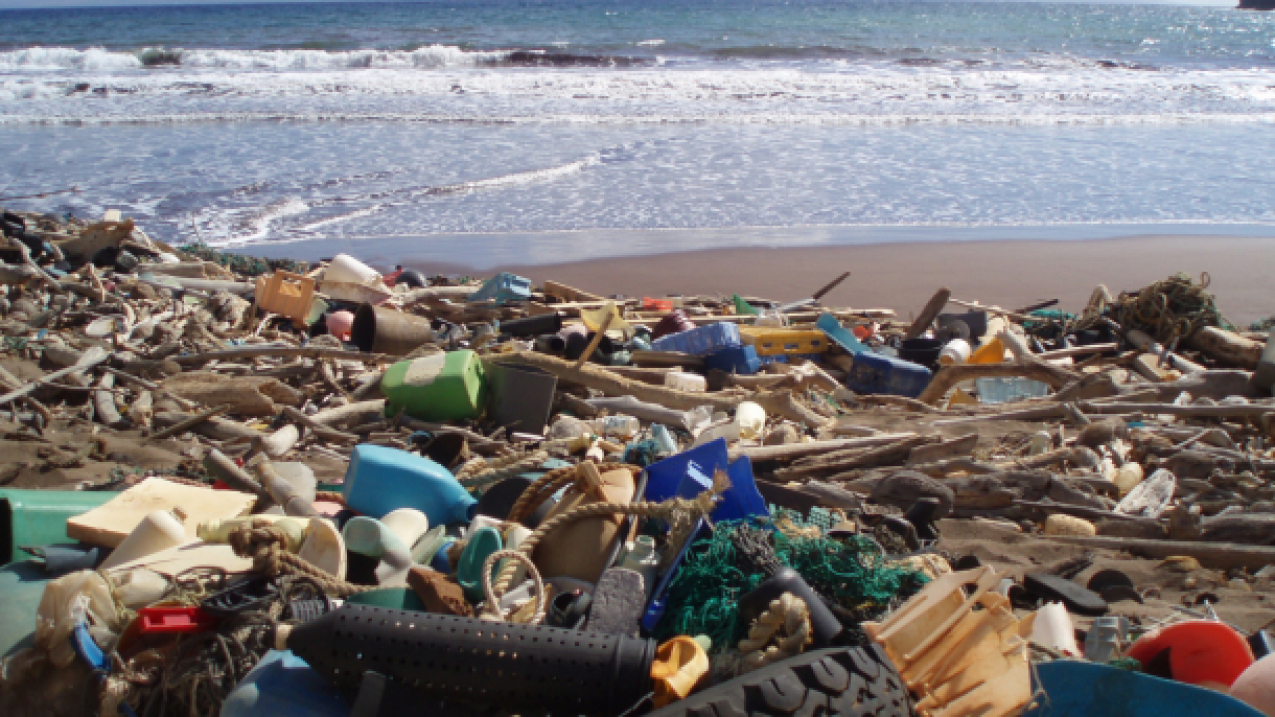
Billions of pounds of waste enter our ocean each year: measured and mapped
Billions of pounds of waste enter our ocean each year, now measured and mapped with empirical precision. This isn't abstraction; it's a validated, real-time crisis we can finally track from source to sink. Understanding drives protection, and integrated data ecosystems turn this overwhelming problem into calibrated, actionable intelligence. For deeper insight into how digital tools reshape ocean stewardship, see our coverage of how digital twins are testing new legal frameworks for data sharing.
Simulating Ocean Change: A Hands-On Lesson in Dissolved Oxygen.
A middle school classroom tank can't replicate the ocean's full complexity, but it can reveal a core truth: nutrient pollution sets off a chain reaction that drains oxygen from the water. This hands-on lesson on dissolved oxygen gives students a tangible window into that process. The challenge of testing for DO without expensive probes is real, and we're curious what budget-friendly tricks educators have found.